


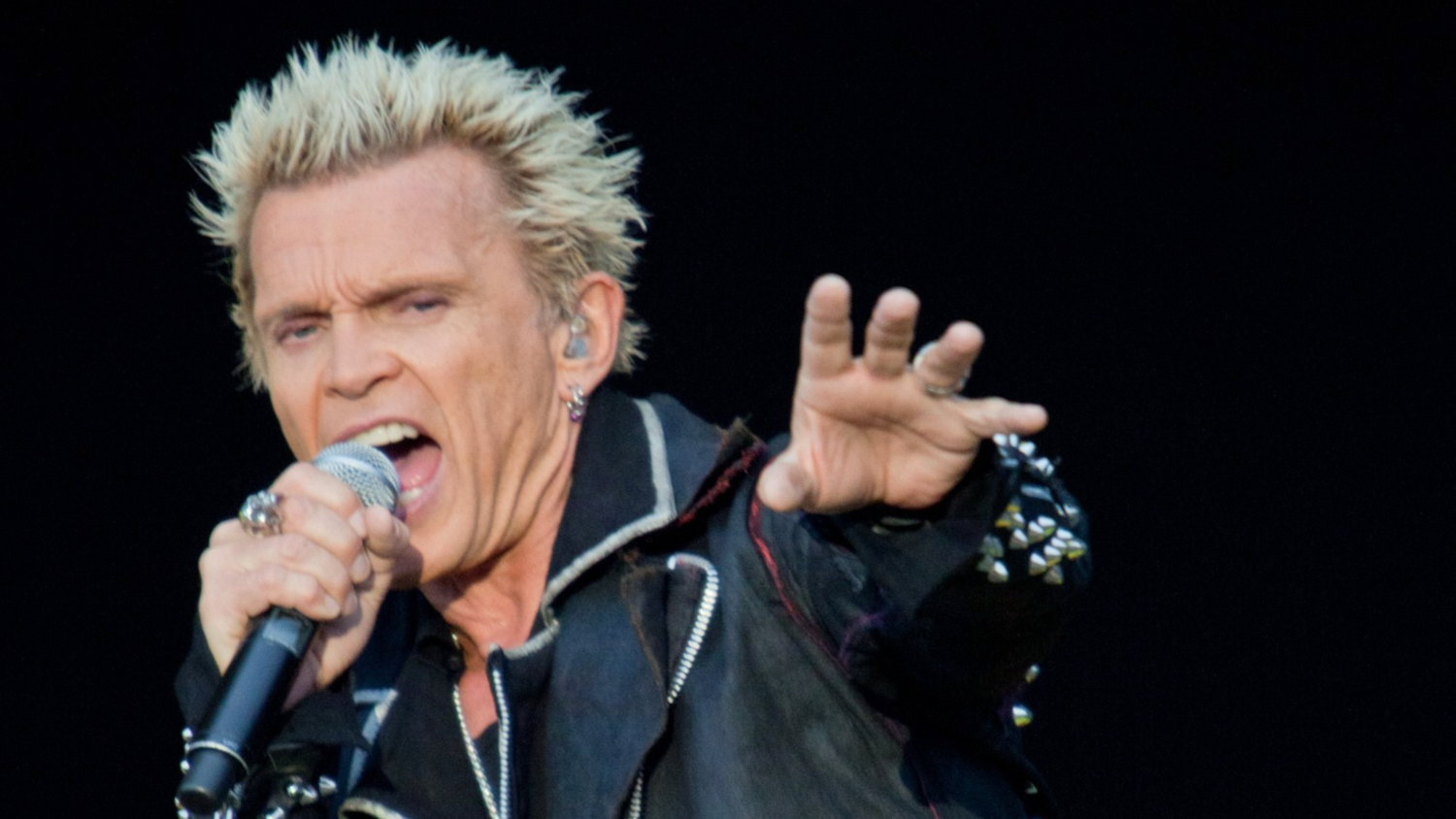
The gap between eligible and inducted tells the real story here. Billy Idol qualified for the Rock & Roll Hall of Fame years before his first nomination arrived — and when the 2026 class finally called his name, he didn’t show up as a nostalgia act. He showed up as proof that the sneer outlasts the skeptics. The establishment that punk was built to embarrass took a long time to officially acknowledge one of its most recognizable exports. Worth the wait? The Peacock Theater crowd had an answer.
The Set That Made the Case
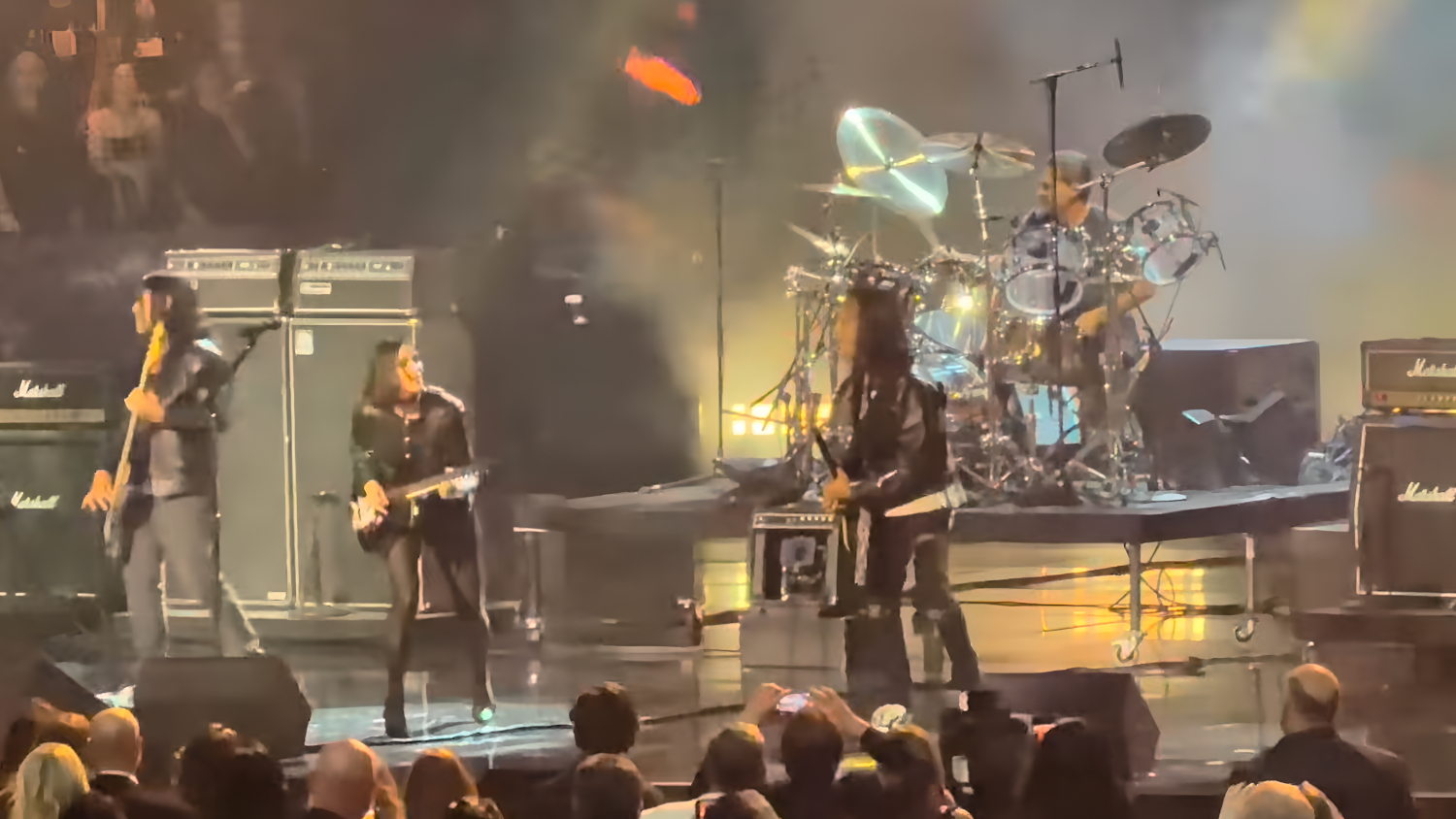
Idol’s two-song performance reminded everyone why the wait felt absurd.
Idol opened with “Rebel Yell” alongside longtime guitarist Steve Stevens, and according to the Los Angeles Times, the song retained its full impact more than four decades after its release. That’s not a small thing. Most anthems calcify into nostalgia. This one still moves like it has something to prove. Gwen Stefani then joined for “Eyes Without a Face,” completing a performance that functioned as both showcase and generational handoff. Stevens, sharing the induction spotlight, put it plainly, according to Rolling Stone: there is “no replacement for Billy Idol.”
The Ceremony Details
- Date/Venue: Nov. 14, Peacock Theater, Los Angeles
- 2026 class: Phil Collins, Iron Maiden, Joy Division/New Order, Oasis, Sade, Luther Vandross, Wu-Tang Clan
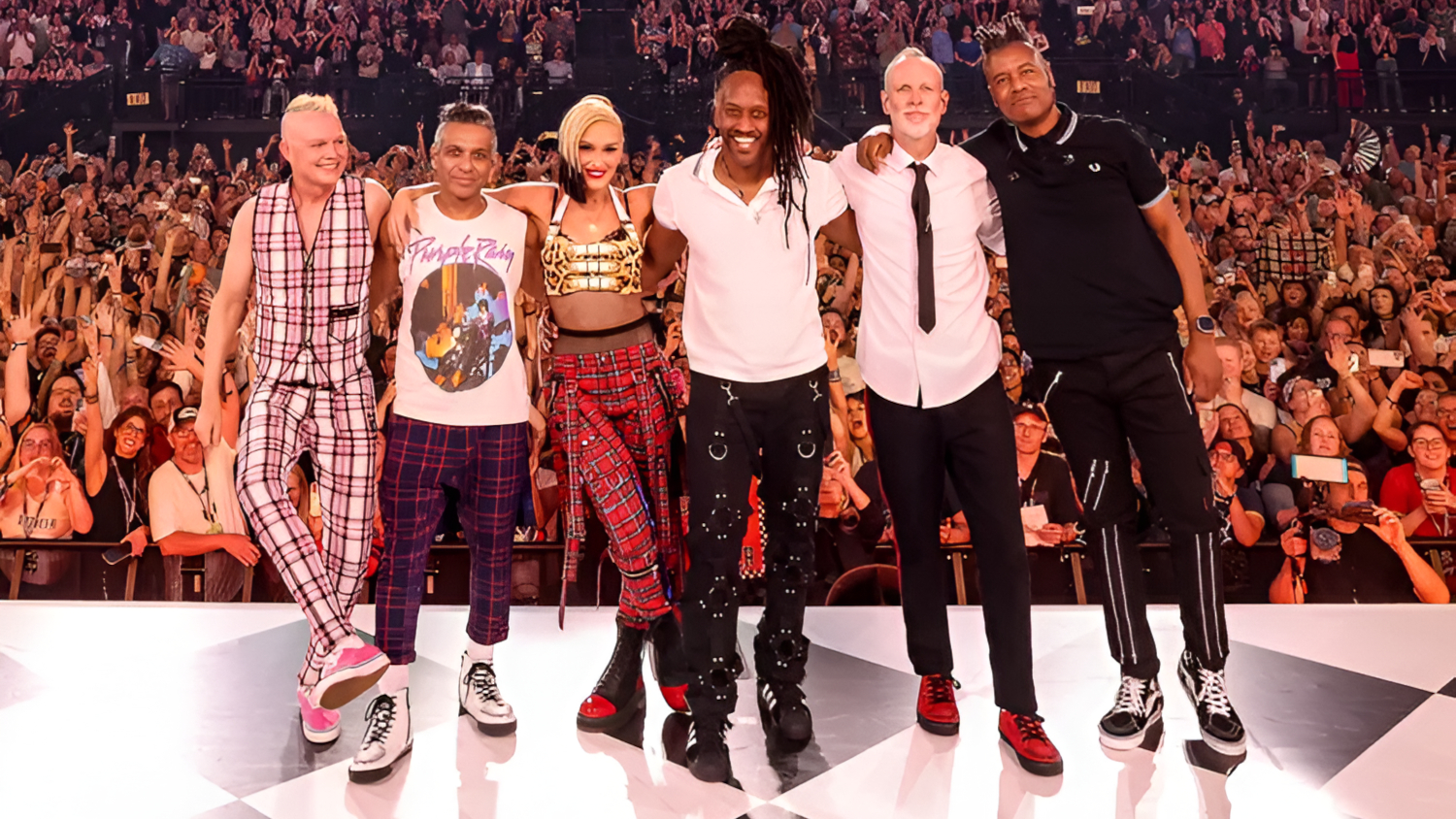
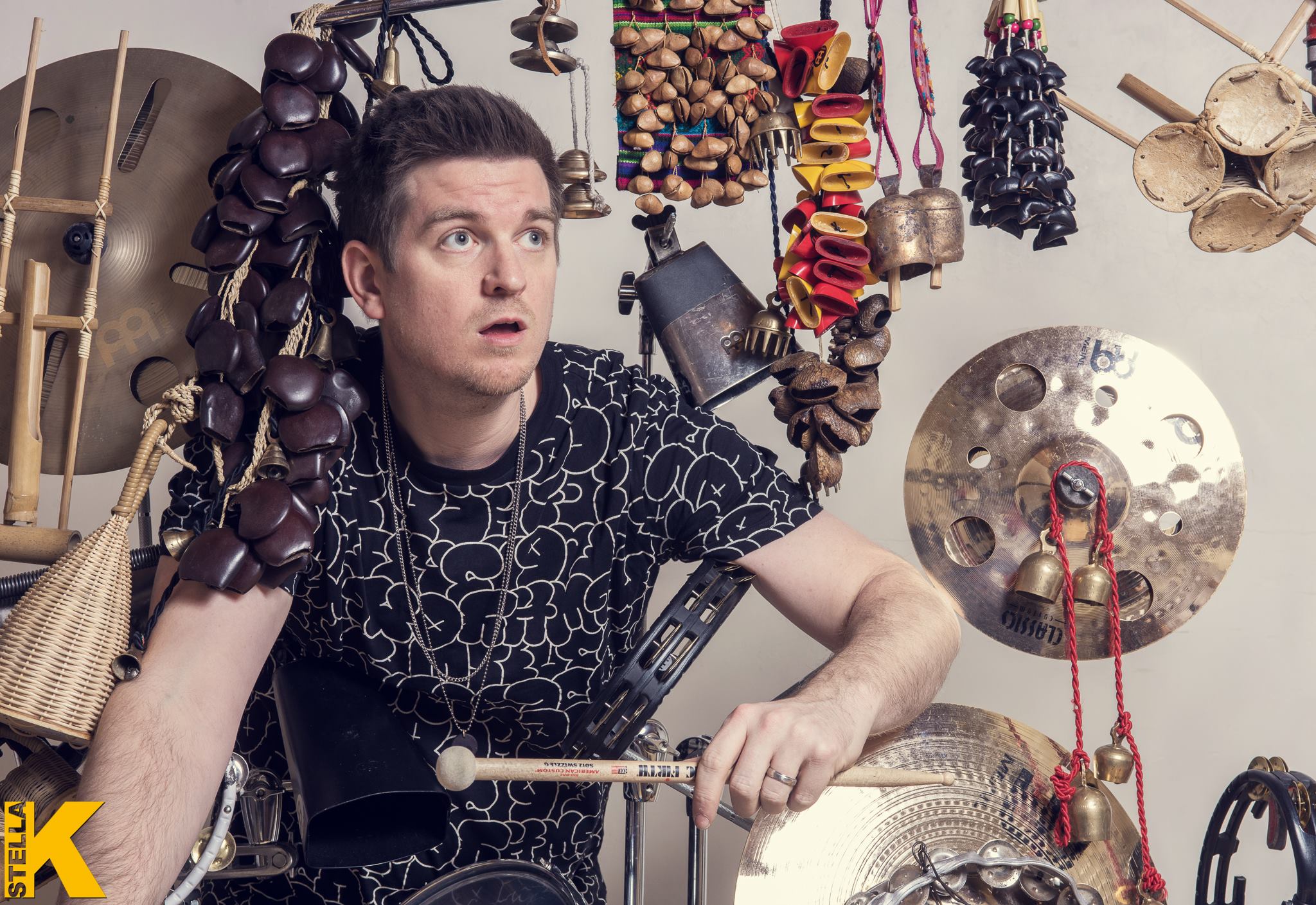
- Stefani and No Doubt bassist Tony Kanal introduced Idol; Stefani recalled hearing “Eyes Without a Face” across Southern California in 1984, according to the Hollywood Reporter
- Idol’s speech: “Rock ‘n’ roll says we can be heroes. In my case I called myself Billy Idol so I could be my own hero.” — Rolling Stone
- Broadcast: ABC special Dec. 8, 8–11 p.m. Eastern; Disney+ and Hulu the following day (confirm date with broadcaster before tuning in, as reporting varies)
Punk Kid, Hall of Fame Plaque
Idol’s induction tracks punk’s unlikely journey from subculture to canon.
Stefani’s introduction wasn’t just ceremony. It was evidence. She recalled hearing Idol’s music along Southern California beaches in 1984 — years before No Doubt existed. “White Wedding,” “Dancing With Myself,” “Eyes Without a Face” — these songs shaped the taste of an entire generation that then shaped the next one. That’s how influence actually works: quietly, completely, and without asking permission.
The man who built a career on confrontation now has his name etched alongside the institution he once existed in opposition to. That’s not a contradiction — it’s just how rock and roll eventually settles its debts, and the full ceremony airs on ABC, Dec. 8.