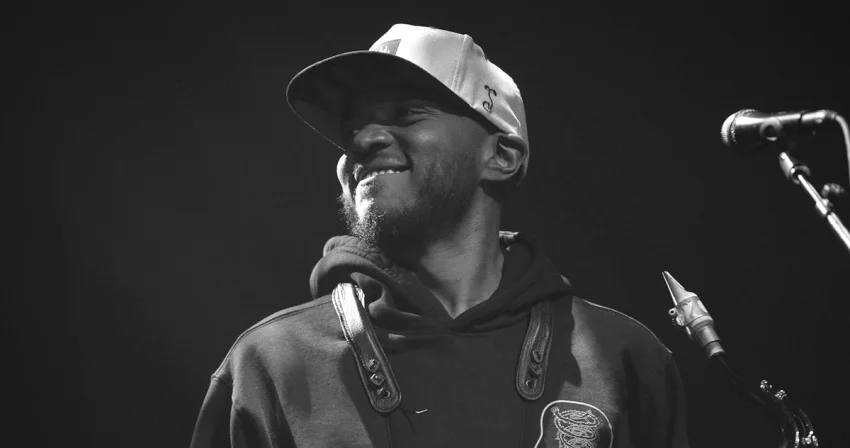



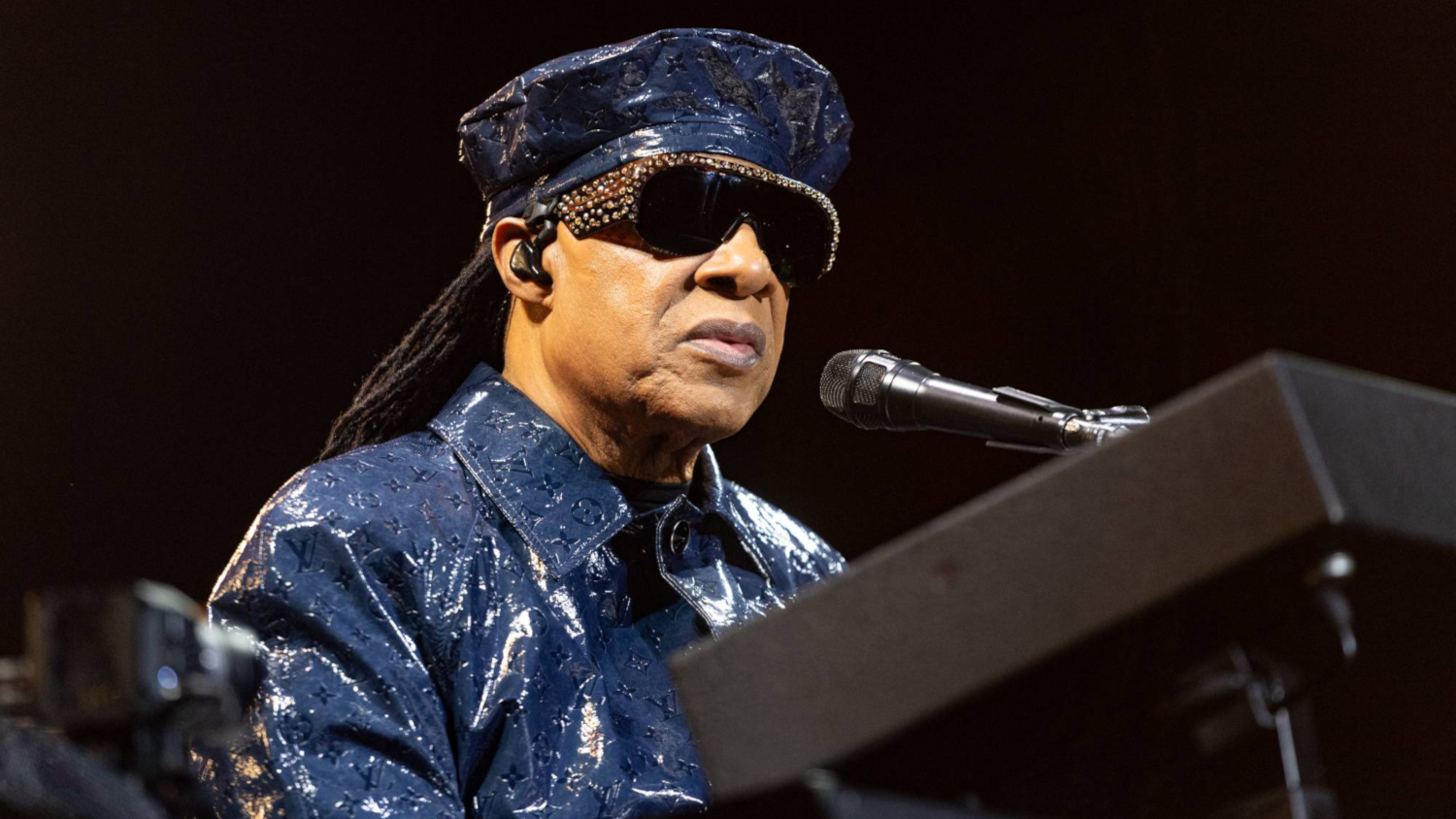
One of the most honored musicians of his generation — with a catalog spanning half a century that includes some of the most celebrated albums ever recorded — still fields questions about whether he can actually see. At Chicago’s United Center on Nov. 21, Wonder paused mid-performance during his Songs in the Key of Life anniversary tour and delivered the only response this theory deserves: “If you believe I can really drive or really see, get in the car with me and we’ll see what happens to us at the end of the day.” The crowd laughed. He kept playing.
A Myth With Famous Friends
Two celebrity anecdotes gave this baseless rumor its stubborn staying power — but neither one holds up as evidence.
The conspiracy has staying power partly because two very famous people handed it rocket fuel. Lionel Richie once recalled Wonder inviting him into a car, taking the wheel, and appearing to reverse down a driveway — a story Richie shared on The Kelly Clarkson Show in 2019. Wonder staged the whole stunt as a prank, revealing afterward that he had fooled Richie completely. It proves nothing about his eyesight and everything about his sense of humor. Shaquille O’Neal separately recalled Wonder greeting him by name in an elevator and pressing his own floor button — an anecdote that recirculated endlessly as “evidence.” It isn’t. What it is, is a 7-foot man getting rattled by a blind legend’s spatial awareness.
The actual facts are not complicated:
- Wonder lost his sight shortly after birth — widely documented across biographical reporting
- At an earlier Cardiff concert, he addressed the rumor directly, describing blindness as sharpening his focus on people’s inner character over their appearance
- The Richie car story was a deliberately staged prank, confirmed by Richie’s own account
- The O’Neal elevator story explains nothing about visual ability
- The Chicago remark came mid-performance on the Songs in the Key of Life 50th Anniversary Tour, not at a press junket
“If you believe I can really drive or really see, get in the car with me and we’ll see what happens to us at the end of the day.” — Stevie Wonder, Chicago United Center, Nov. 21
Fifty Years of Proof
The album Wonder is currently celebrating makes a stronger argument for his genius than any conspiracy theory makes against it.
Songs in the Key of Life won the Grammy Award for Album of the Year in 1977. It contains “Sir Duke,” “I Wish,” “Isn’t She Lovely,” and “As.” A double album so fully realized it functions like a complete artistic argument made in a single breath — and that is exactly what Wonder has been celebrating on this tour, not defending his medical history.
The Cardiff comment lands differently once you sit with it. A man who has spent five decades creating music that resonates deeply with listeners, arguing that blindness taught him to look past surfaces and toward people’s true character. You don’t need a conspiracy theory to find the irony there. It’s already written into the music.