


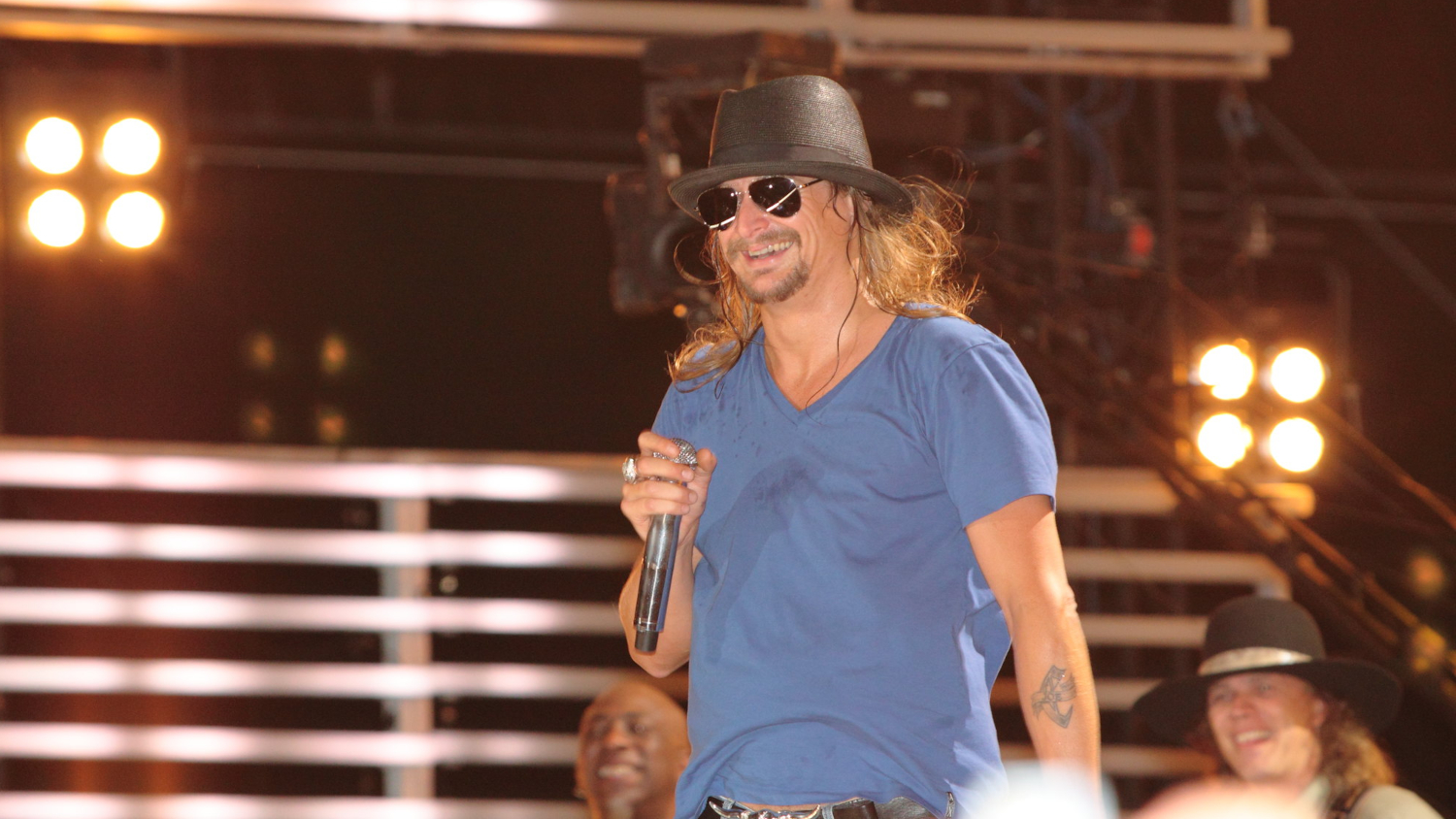
Nashville’s Lower Broadway sells you a specific fantasy — cold beer, loud guitars, good times. Joshua Welch allegedly got something else entirely. According to a civil complaint filed against Kid Rock’s Big Ass Honky Tonk Rock N’ Roll Steakhouse, what started with Welch touching a performer’s guitar during a December 2025 visit ended with a surgically repaired finger and a civil lawsuit. Kid Rock is not named individually as a defendant. The venue is. The claims inside that complaint raise uncomfortable questions about how celebrity-branded entertainment businesses train the people controlling the door — and, as it turns out, the elevator.
What the Lawsuit Claims
Welch’s attorney framed the initial guitar contact as minor; what allegedly followed in the elevator tells a sharply different story.
Welch’s attorney characterized his client’s initial contact with the guitar as “a moment of poor judgment.” Security approached and began escorting Welch out. According to the complaint, he touched the instrument a second time before the group reached an elevator — and that is where, Welch alleges, things turned violent. Three guards allegedly slammed him against a wall and repeatedly forced him to the floor when he attempted to stand. The encounter left him with a right ring finger injury that later required surgery. None of these allegations have been established in court.
The complaint includes four causes of action, with the finger injury alleged as damages:
- Assault and battery
- Negligence
- Negligent hiring and training of security personnel
- False imprisonment
The Venue Fires Back
The restaurant’s formal response reframes the same encounter as a justified, protective security action — setting up a competing-narrative battle that evidence will have to resolve.
The restaurant denied wrongdoing in its formal response. According to the venue, security personnel were justified in using force — if any was used at all — because Welch’s conduct was aggressive and threatened employees and other patrons. That is the defining tension in excessive-force disputes: one side describes disproportionate violence, the other describes a proportionate response. Surveillance footage, witness accounts, and security training records will carry significant weight as the case moves forward. A case-management hearing was reportedly scheduled for January 11, though available reporting does not confirm the year, and no docket number has been independently verified.
What Happens Next
The venue’s prior litigation history is a reminder that high-profile entertainment businesses carry legal exposure that extends well beyond the stage.
This is not the first time litigation has touched Kid Rock’s Nashville operation. Steve Smith, the owner of the Big Ass Honky Tonk, joined other Nashville honky-tonk owners in a 2020 lawsuit seeking compensation for business losses tied to COVID-19 stay-at-home orders and restrictions on bars and dine-in service — a entirely different dispute, but a signal that celebrity-branded venues are not insulated from courtrooms.
For every star-stamped bar lining Broadway, this case is worth tracking. Security is not just crowd control. It is liability in a polo shirt — and how this venue trained its staff may matter as much as what happened in that elevator.