




Sony, Bose, and half the internet want everyone to believe decent audio demands a mortgage payment. Twenty over-ear and on-ear models under $150 were tested across three months, focusing on noise cancellation, battery life, build quality, and real-world sound performance. The results expose which budget options deliver studio-worthy audio and which collapse faster than a DIY festival stage.
This content may contain affiliate links. If you wish to support us and use these links to buy something, we may earn a commission.
20. AKG K72
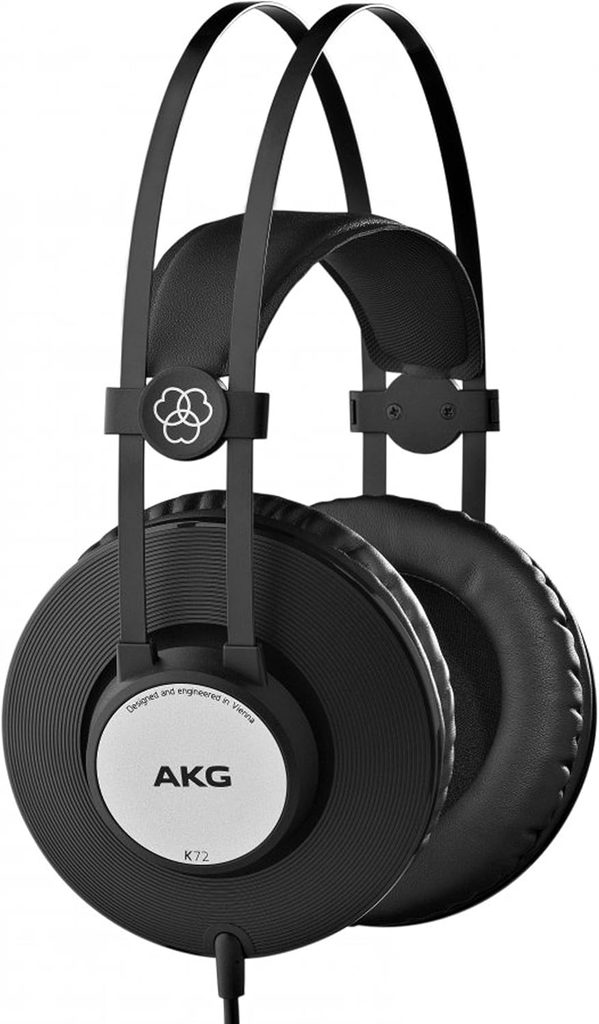
These wired studio cans feel like a relic from pre-smartphone recording booths.
The AKG K72 arrives with 40 mm drivers and exactly zero modern conveniences. No Bluetooth. No active noise cancellation. Just a 3 m cable that could lasso a shopping cart from across the room. The self-adjusting headband feels flimsy after extended sessions, creating pressure that turns hour-long mixing work into an endurance test. Contemporary budget options deliver wireless freedom and basic ANC for similar money. These closed-back studio cans serve home recording and monitoring duties adequately, but comparing them to feature-rich wireless models reveals their limitations immediately.
19. Anker Soundcore Life Q20
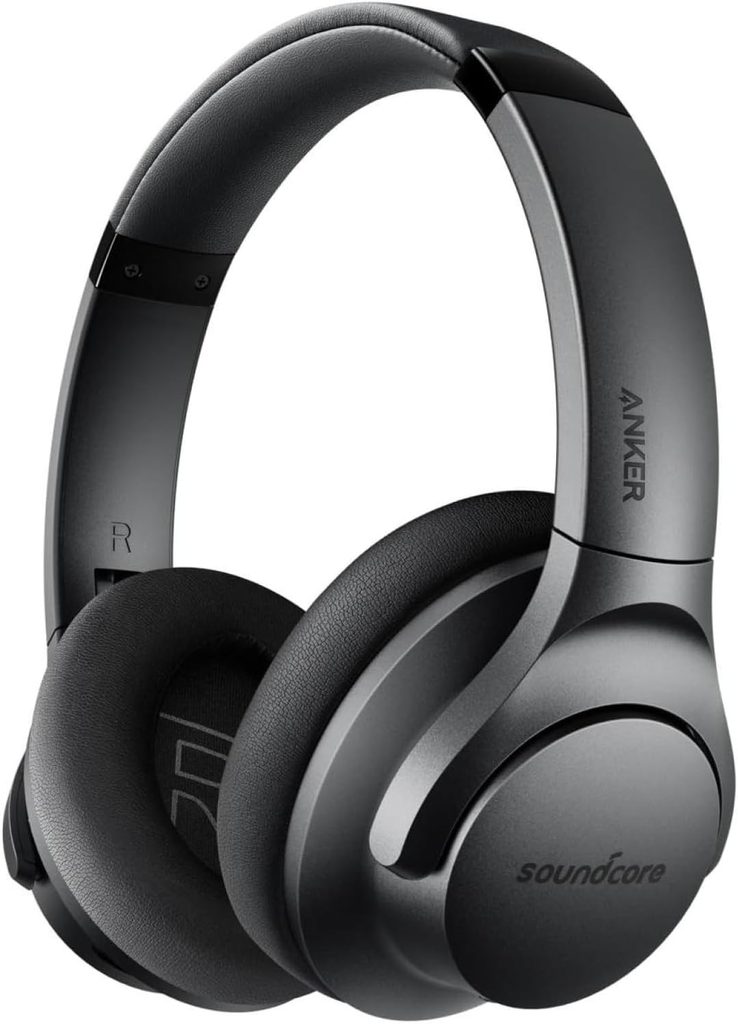
The Q20’s hybrid ANC and 40-hour runtime built its reputation as the scrappy budget champion.
Anker’s 40 mm dynamic drivers push surprisingly detailed audio while hybrid active noise cancellation blocks commute din effectively enough to matter. Battery life stretches to 40 hours with ANC enabled or 60 hours in standard mode. The BassUp feature adds low-end punch to tracks that need it. Sitting on a budget airline’s worn seats while engine roar fades to background hum? That’s the Q20 experience. Its noise cancellation won’t match Sony’s flagship models, but it handles coffee shop chatter and transit rumble competently. Build quality shows its age compared to newer releases; these feel more utilitarian than premium. The value proposition remains undeniable for anyone seeking respectable sound without premium pricing.
18. CMF Headphone Pro
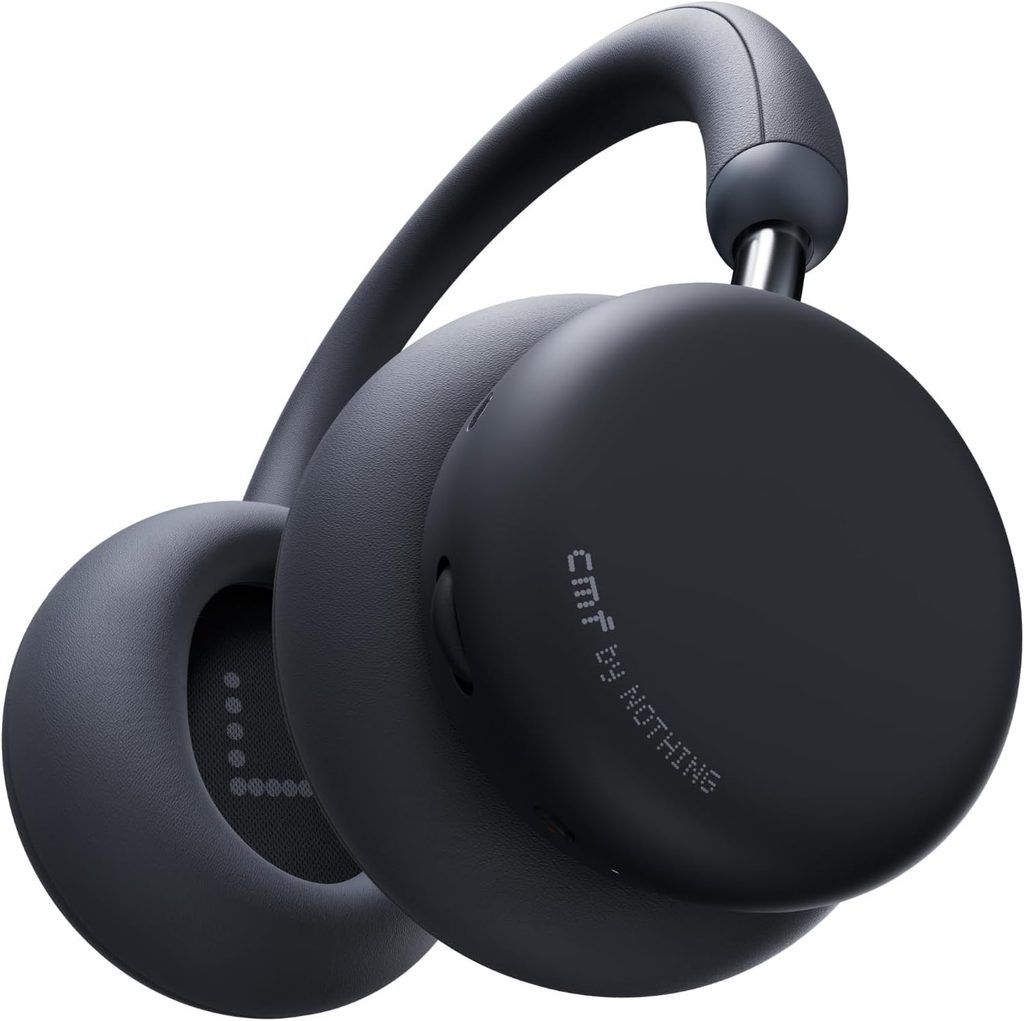
Nothing’s sub-brand delivers striking industrial design undermined by unreliable software.
Visually, the CMF Headphone Pro succeeds with its modular aesthetic and physical controls. Adaptive active noise cancellation, transparency mode, and multipoint Bluetooth connectivity appear in the spec sheet alongside app-based EQ through the Nothing X app. The software crashes frequently enough to transform every adjustment into a test of patience. Attempting to tweak bass mid-track often triggers app freezes that render touch controls unresponsive. The hardware looks museum-ready; the digital experience feels abandoned. Does sculptural design justify constant software frustration? Anyone who’s battled buggy firmware knows that answer.
17. Edifier W830NB
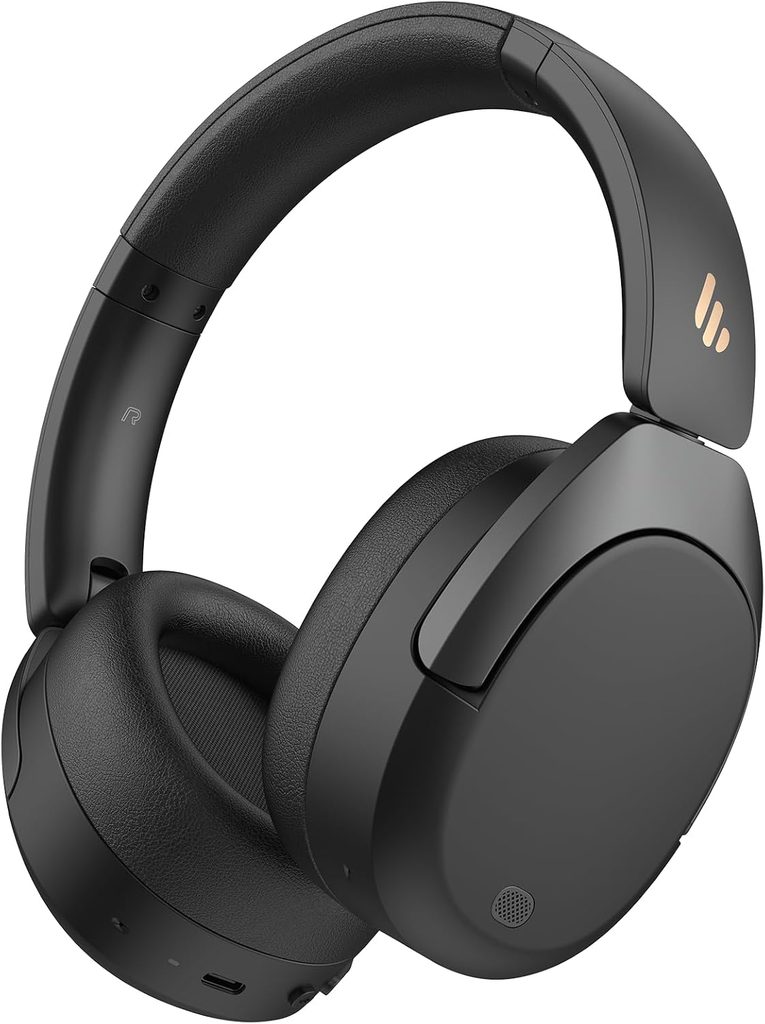
Ninety-four hours of playback with ANC disabled sounds impossible until the W830NB proves otherwise.
The Edifier W830NB‘s endurance legitimately shocks. Battery life reaches 94 hours with ANC off or 54 hours with it engaged. A 15-minute charge adds 10 hours of listening. Hybrid ANC rated to 45 dB by the manufacturer silences typical commute noise, while 40 mm titanium-coated composite drivers deliver balanced sound without harsh treble spikes. Headphones typically die mid-playlist, stranding listeners in silence or forcing them to endure ambient noise. This model bypasses that scenario entirely. Cross-country flights, entire movie marathons, and podcast walks happen on a single charge. Bluetooth 5.4 multipoint and LDAC support pair with a foldable design. Extended wear feels comfortable enough to forget they’re present. This combination of marathon battery life and solid acoustic performance makes the W830NB a legitimate road warrior option.
16. Fresh ‘n Rebel Clam Ace 2
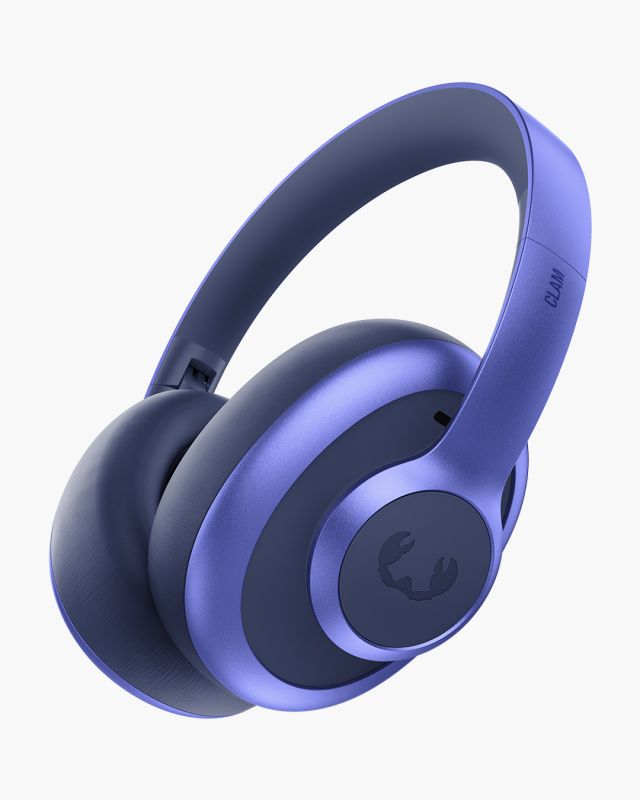
The Clam Ace 2’s spotty Bluetooth and cheap construction waste its foldable concept
Fresh ‘n Rebel’s wireless over-ear attempt includes active noise cancellation, Bluetooth connectivity, and hands-free calling. The plastic feels flimsy. Bluetooth drops signal when moving between rooms, transforming simple trips to the kitchen into connection roulette. Streaming audio over this unstable link mirrors watching video buffer endlessly. Budget competitors under $50 maintain consistent connections and deliver more reliable performance. The foldable design can’t salvage an experience undermined by frequent signal interruptions and questionable materials.
15. JBL Live 770NC
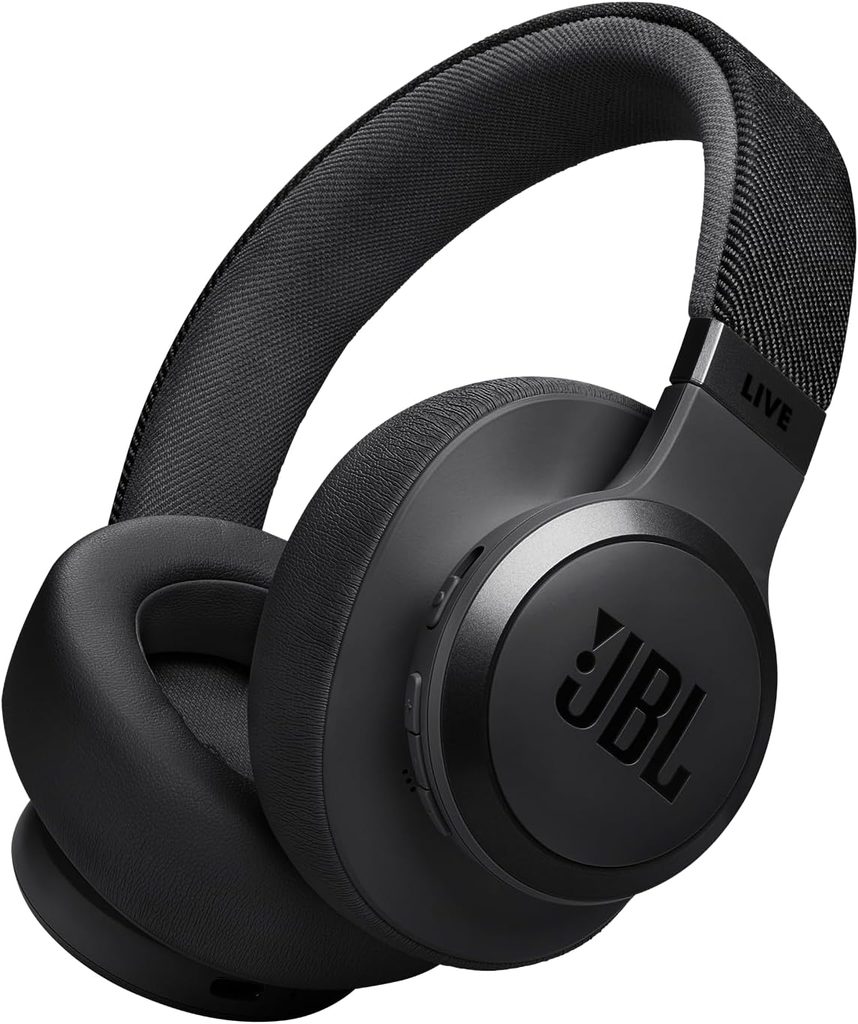
JBL’s Signature Sound and spatial audio features push the Live 770NC above the Tune line.
JBL’s signature bass-forward profile makes tracks punch with energy. Spatial sound creates an immersive digital soundstage while adaptive noise cancellation handles typical ambient noise. Smart Ambient modes provide environmental awareness when needed. Multipoint Bluetooth switches between phone calls and laptop streaming without digital tantrums. The connection remains stable in crowded environments. App-based EQ sculpts sound profiles, and extended battery life outlasts long shifts or flights. This comprehensive feature set positions the Live 770NC firmly above JBL’s budget Tune offerings.
14. JBL Tune 770NC
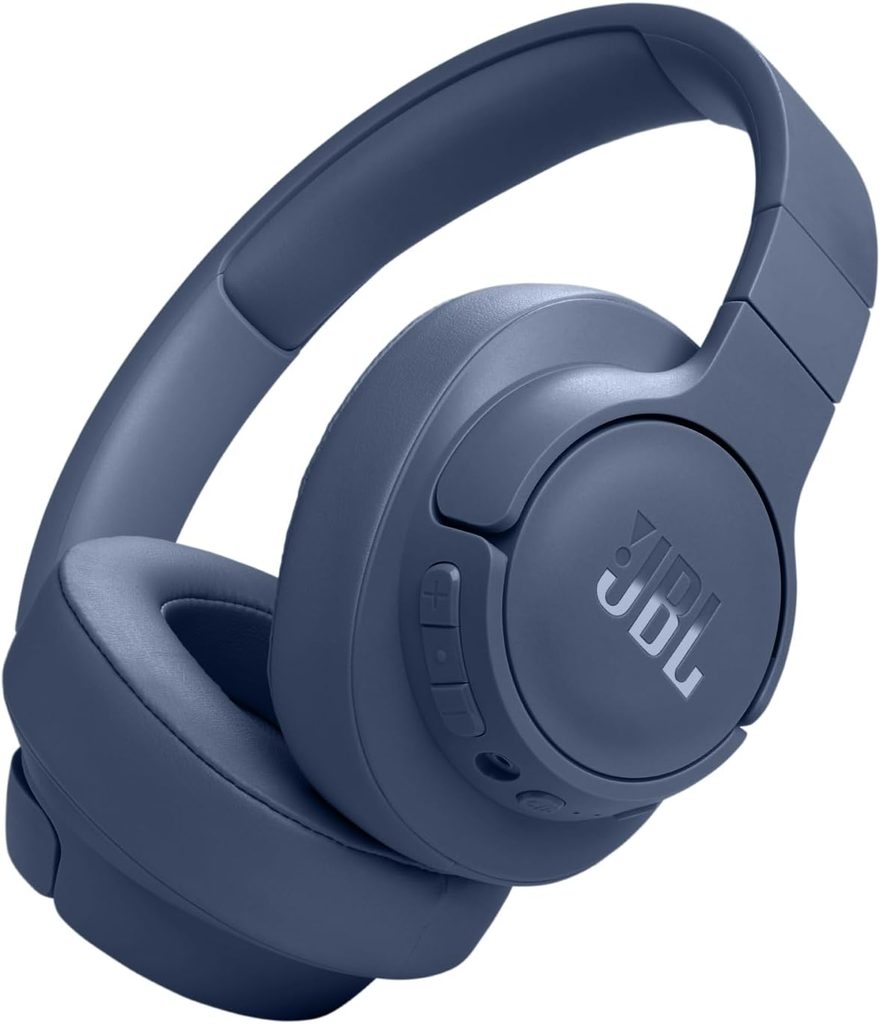
Aggressive clamping force and weak ANC make the Tune 770NC uncomfortable despite decent battery specs.
The JBL Tune 770NC clamps down hard enough to create pressure headaches within an hour. Discomfort cuts listening sessions short despite 44 hours of ANC-enabled playback. Wireless adaptive noise cancelling barely dampens office fans or transit rumble. Build quality feels insubstantial. A five-minute charge delivers three additional hours of listening, but enduring the vice-grip fit for even a fraction of the 70-hour maximum feels punishing. The Soundcore Life Q30 delivers superior comfort and more effective noise cancellation at a similar price point.
13. JLab JBuds Lux ANC
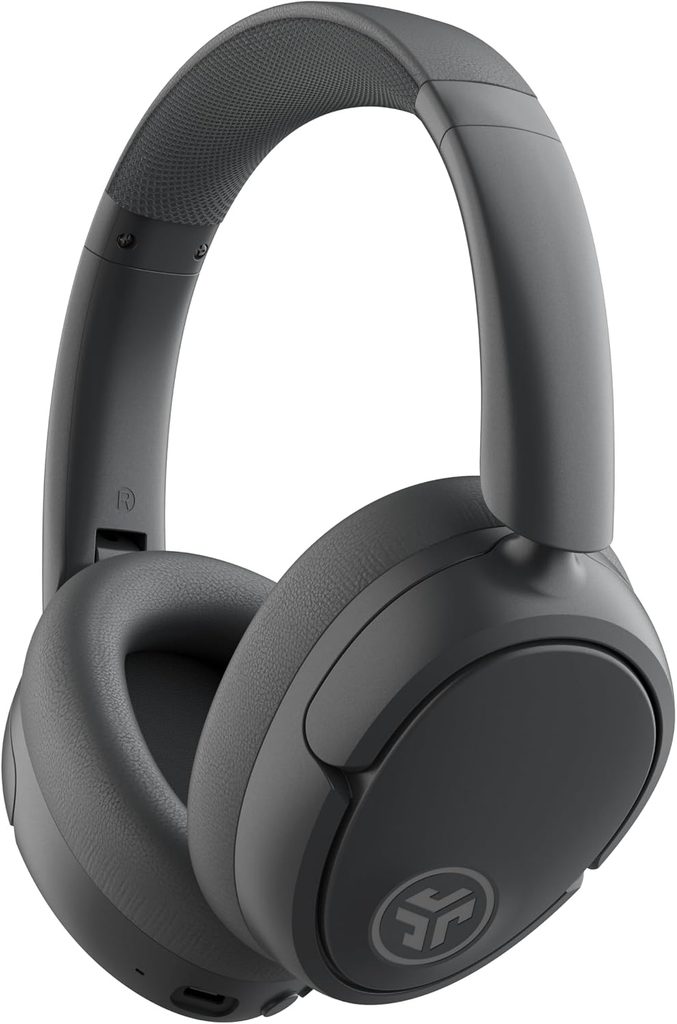
The JBuds Lux ANC’s distracting hiss and creaky build undermine its impressive battery life.
JLab’s 40 mm drivers sit in a plastic housing that creaks during adjustments. Hybrid active noise cancellation, rated by the manufacturer to 35 dB, introduces constant auditory hiss rather than silence. Activating ANC brings static instead of peace. Bluetooth multipoint and up to 70 hours of battery life (or 40 hours with ANC enabled) look solid on paper, but the intrusive background noise ruins the experience. The Soundcore Space One achieves genuine quiet for comparable money.
12. 1MORE SonoFlow Pro HQ51
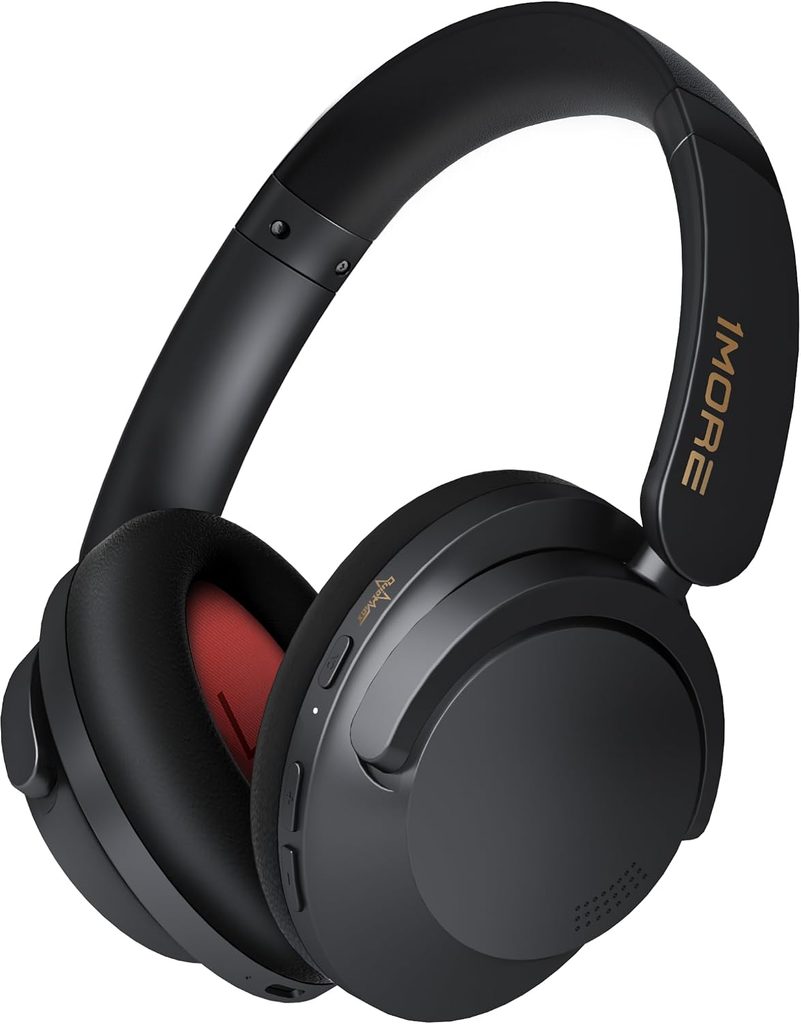
Hybrid ANC and LDAC high-res audio help the SonoFlow Pro punch above its price bracket.
The 1MORE SonoFlow Pro HQ51 delivers balanced audio that defies budget expectations. Hybrid active noise cancellation blocks environmental sound effectively while LDAC high-resolution Bluetooth audio maintains detail. Battery endurance stretches absurdly long; streaming entire seasons of television across cross-country flights leaves charge remaining. Multipoint connectivity handles phone and laptop switching smoothly. App-based EQ controls allow sound profile customization. This combination of features and performance from an affordable model surprises consistently. Regional naming variations exist, so verify the specific model designation before purchase.
11. Marshall Major V
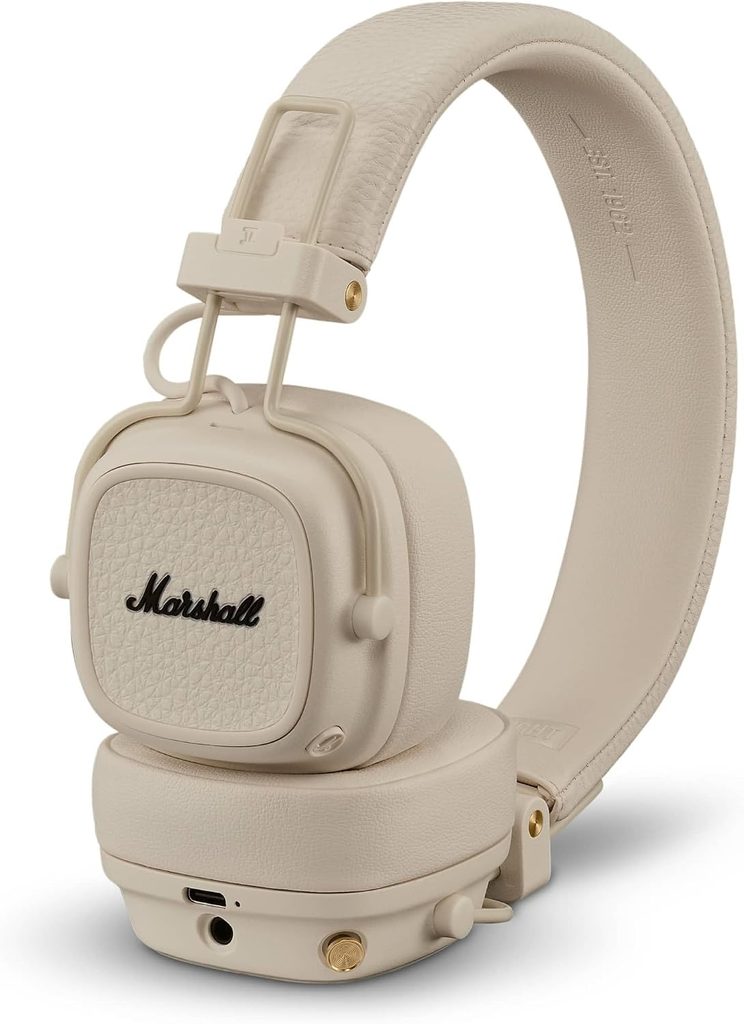
Marshall’s signature rock aesthetic and 100-hour battery can’t offset brutal on-ear pressure.
Marshall Major V wireless on-ear headphones look striking with their miniature stack-amp styling. Bluetooth 5.3 and LE Audio readiness appear alongside wireless charging support. Battery life exceeds 100 hours; a 15-minute charge yields 15 hours of playback. Actually wearing them feels like aggressive clamps squeezing skull bones. The on-ear design creates pressure that triggers headaches faster than a poorly mixed live show. Styling and endless power can’t justify feeling trapped in a vice.
10. OneOdio Focus A6
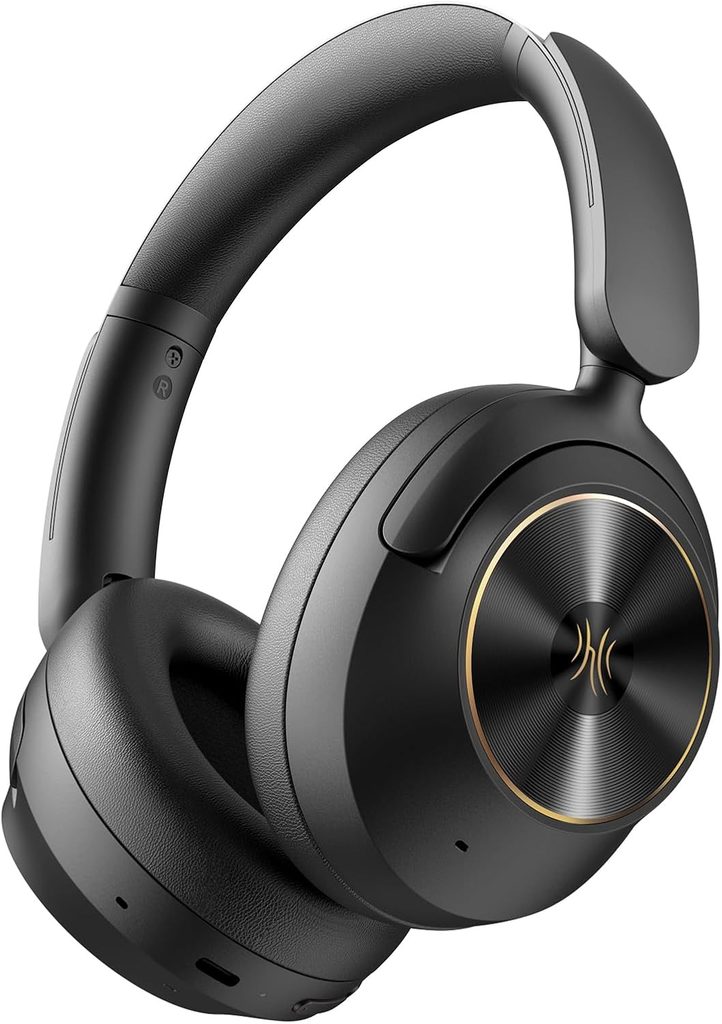
Minimal headband padding and bare-bones features make the Focus A6 a last-resort option.
The OneOdio Focus A6 delivers exactly what its minimal price suggests: functional wireless over-ear headphones with active noise cancellation, Bluetooth connectivity, and foldable construction. App-based controls and extended battery life serve casual listening adequately. Headband padding essentially doesn’t exist. After 20 minutes, pressure digs into the scalp uncomfortably. Budget-constrained commuters might tolerate this for basic audio needs, but virtually any alternative provides better comfort for marginal additional cost.
9. QCY H6 Ultra
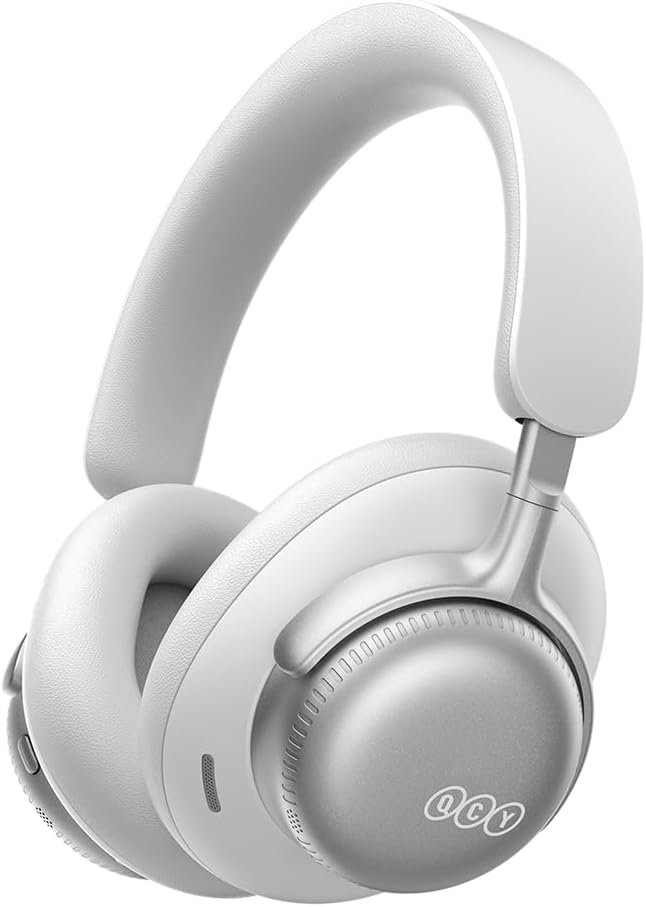
The H6 Ultra’s 60 dB hybrid ANC and LDAC audio shine until the buggy app ruins adjustments.
Hybrid active noise cancellation rated by the manufacturer to 60 dB creates genuine isolation. Dual 40 mm and 13 mm drivers deliver LDAC high-resolution audio with surprising clarity. Multiple microphones handle calls and noise cancellation duties. Battery life reaches 100 hours with ANC disabled. The companion app crashes frequently enough to frustrate any attempt at sound customization. Fine-tuning EQ settings triggers app failures that leave mismatched audio profiles. Build quality feels fragile. Stellar isolation and marathon battery life can’t overcome constant software aggravation and questionable construction.
8. Rode NTH-100
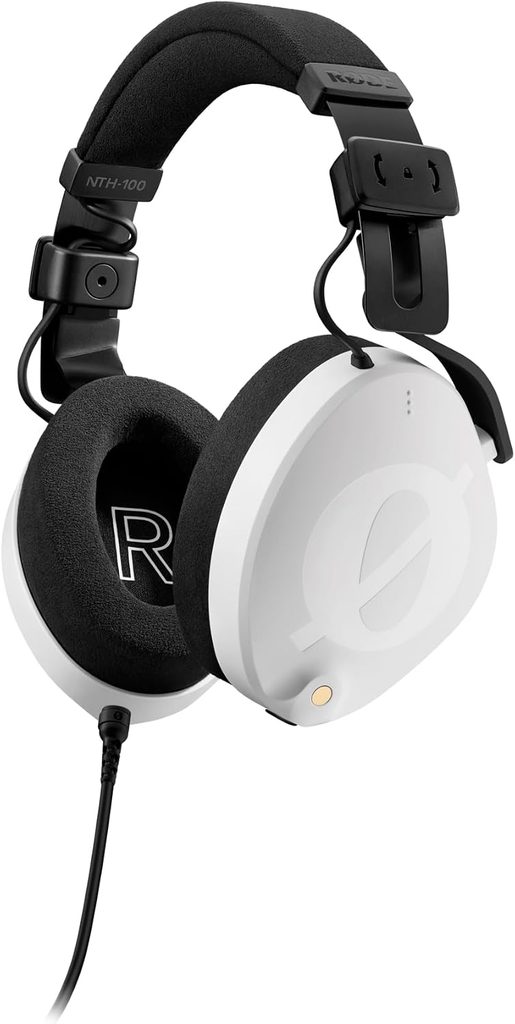
Professional studio monitoring demands clinical precision the NTH-100 delivers without excitement.
Rode’s closed-back wired headphones use matched 40 mm drivers housed in professional-grade construction. Alcantara-covered memory-foam cushions and the FitLok headband adjustment system provide comfort during extended sessions. Replaceable ear cushions and the 2.4 m locking cable extend lifespan beyond typical consumer gear. Sound profile stays clinical and precise, revealing every frequency with surgical accuracy. Spotting rogue drum hits or mixing errors becomes straightforward. This analytical fidelity serves studio monitoring perfectly but makes casual listening feel sterile. Blasting music for enjoyment reveals the trade-off; technical perfection lacks sonic swagger.
7. Sennheiser Momentum 4 Wireless
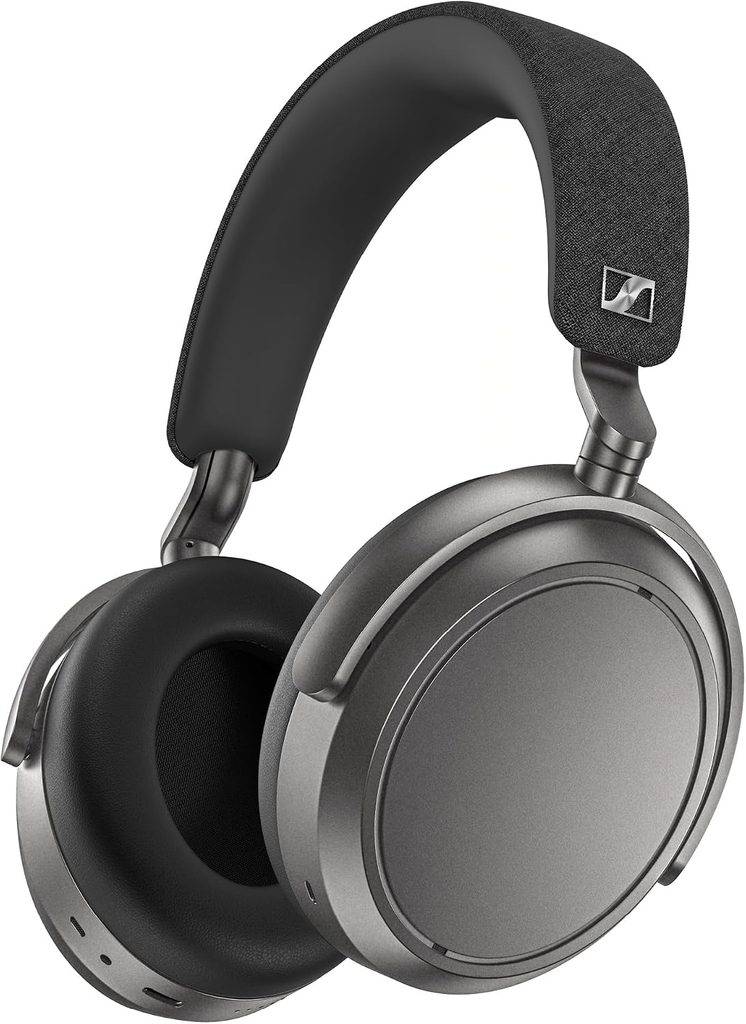
Stellar 42 mm transducers and adaptive ANC meet frustrating touch controls in the Momentum 4.
The Sennheiser Momentum 4 Wireless pushes detailed audio through 42 mm drivers that make music libraries sound pristine. Adaptive ANC, transparency mode, and Bluetooth multipoint manage listening environments effectively. App-based customization sculpts sonic landscapes precisely. Touch controls constantly trigger unintended pauses. Adjusting fit creates awkward silence mid-track. Up to 60 hours of battery life can’t justify a user experience that feels perpetually glitchy. Does phenomenal sound justify constant interface frustration? Anyone who’s battled finicky touch sensors knows that trade-off rarely pays off.
6. Sony WH-CH520
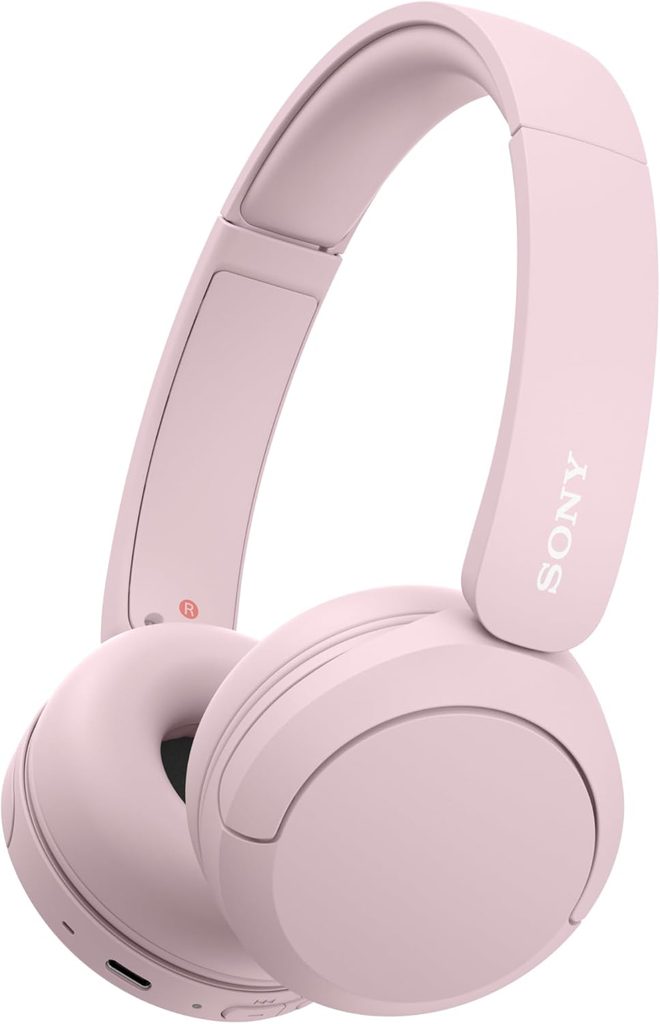
Lightweight on-ear construction and 50-hour battery make the CH520 a practical workhorse despite missing ANC.
Sony’s WH-CH520 feels toy-like but delivers respectable audio through 30 mm drivers enhanced by DSEE technology. Bluetooth multipoint pairing handles two devices simultaneously. Battery life pushes 50 hours on a single charge. App-based EQ controls allow sound profile adjustments. Tossing these into bags during airport security runs happens without concern; simplicity means fewer failure points. Active noise cancellation doesn’t exist, but sheer endurance and surprisingly competent output create genuine utility. Sometimes understated reliability matters more than flashy features.
5. Sony WH-CH720N
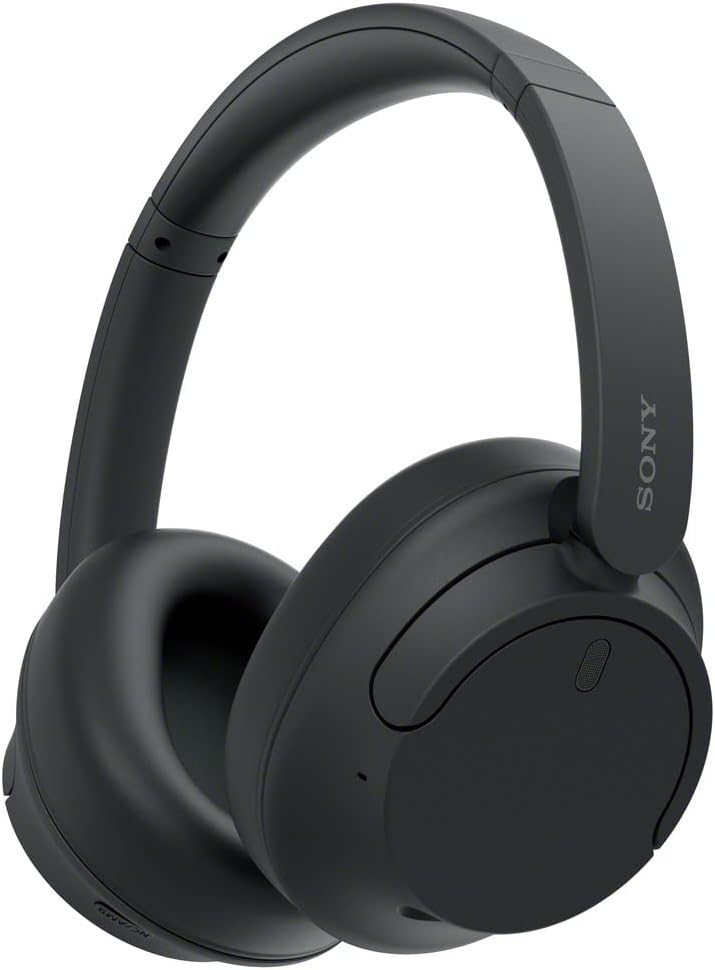
Flimsy hinges and thin audio undermine the CH720N despite Sony’s processing tech.
The Sony WH-CH720N uses 30 mm drivers, Sony’s Integrated Processor V1 for noise cancellation, and DSEE audio enhancement. Sound profile comes across as anemic. Hinges feel fragile enough to require careful handling during every adjustment. Multipoint Bluetooth connectivity appears, but the lack of proper folding design hurts portability significantly. Battery life reaches approximately 35 hours with noise cancellation enabled or 50 hours without it. That endurance feels wasted on fragile construction and underwhelming sound that doesn’t justify the price point.
4. Sony ULT WEAR
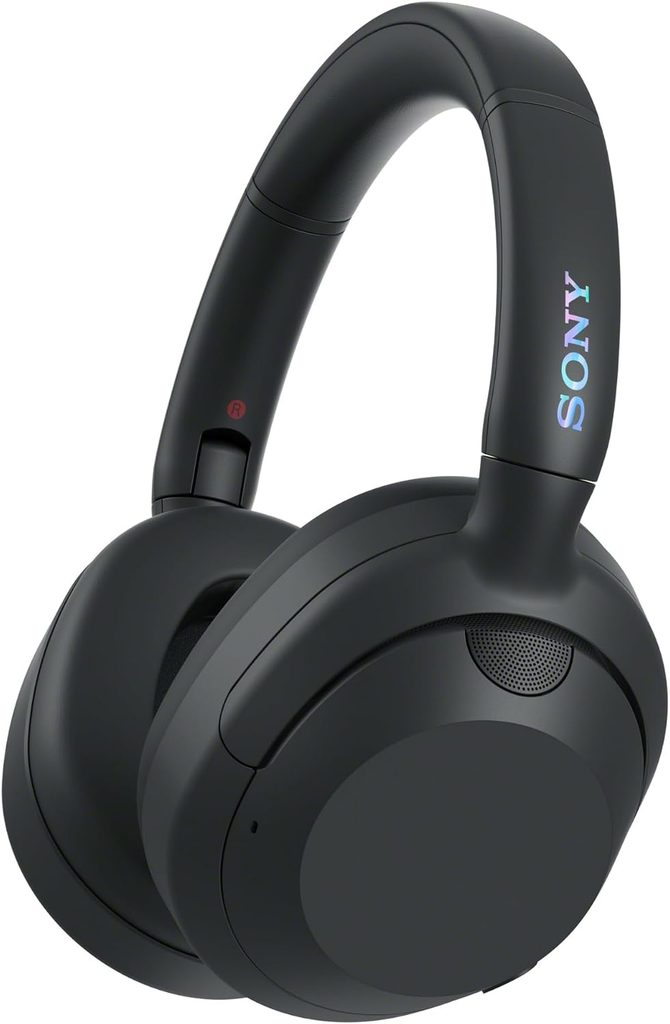
The WH-ULT900N’s dedicated bass button trades refinement for overwhelming low-end assault.
Sony ULT WEAR (model WH-ULT900N) packs 40 mm drivers and Sony’s Integrated Processor V1 for noise cancellation. The dedicated ULT bass button creates overwhelming low-end intensity that physically vibrates skulls. This feature appeals to bass enthusiasts but removes refinement from the listening experience. Sleeker alternatives like the Sennheiser Momentum 4 Wireless offer more balanced sound without turning heads into subwoofers. Battery life reaches 30 hours. Multipoint Bluetooth and app-based EQ appear standard. The ULT button feels like an overpriced gimmick for listeners seeking raw sonic assault over nuanced audio.
3. Soundcore Life Q30
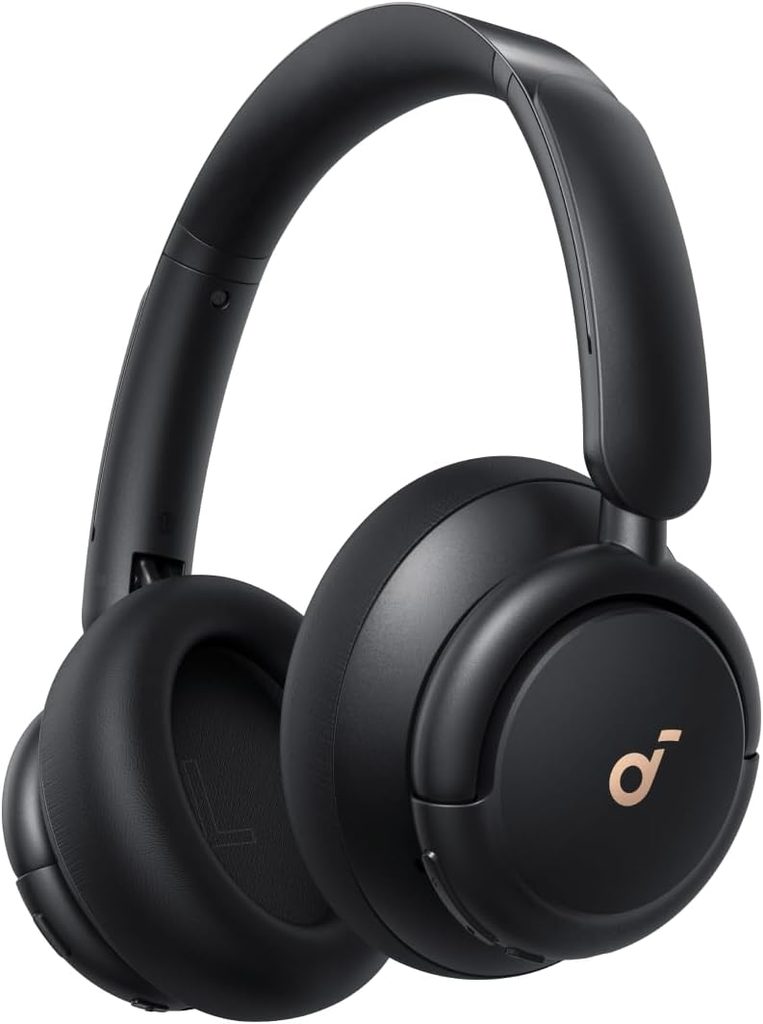
Multiple ANC modes and 40-hour battery keep the Q30 relevant despite its dated app interface.
The Soundcore Life Q30 delivers functional noise cancellation for a fraction of premium pricing. Its 40 mm silk-diaphragm drivers push robust sound customizable through app-based EQ. Packed subway commutes feel isolated enough to concentrate. Multiple ANC modes and transparency mode provide flexibility typically reserved for pricier models. Battery life runs 40 hours with ANC enabled or 60 hours in normal mode. Multipoint connectivity and customizable sound profiles create genuine value. The app interface feels bloated and outdated, but core audio performance and extended runtime justify the Q30’s continued relevance.
2. Soundcore Space One
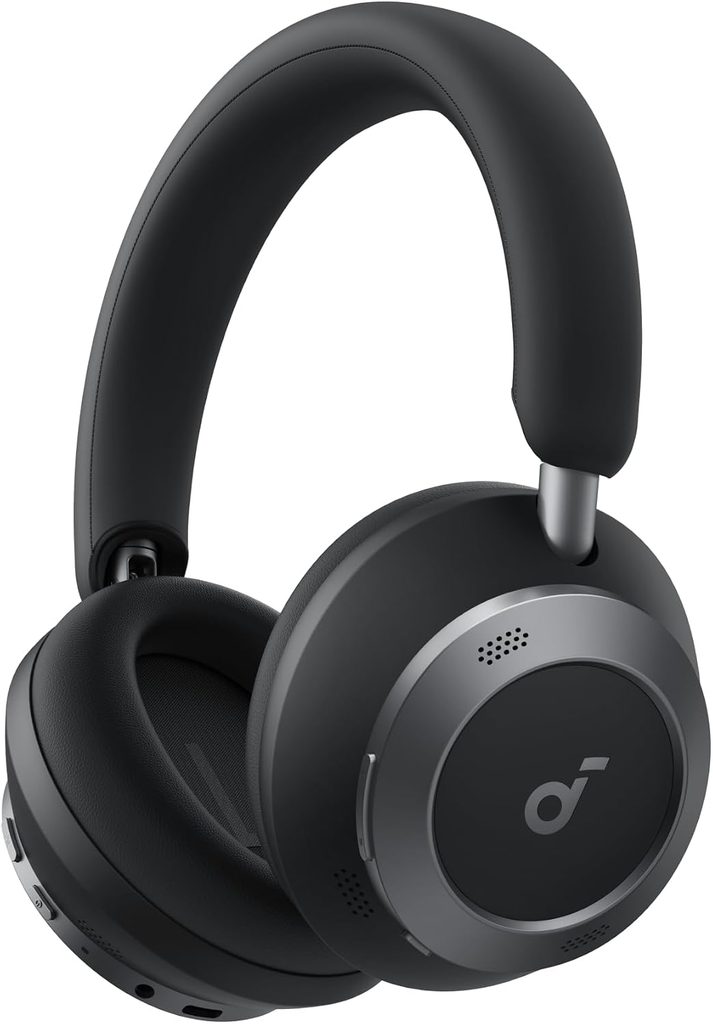
Adaptive ANC and 40-hour battery make the Space One a reliable budget commuter option.
The Soundcore Space One delivers adaptive active noise cancellation and transparency mode alongside LDAC support and multipoint connectivity. Switching between devices happens smoothly. Foldable earcups tuck neatly into bags without awkward bulk. Noise cancellation cuts typical subway drone effectively. App-based audio profile customization allows personalization. Battery life reaches 40 hours with ANC engaged or 55 hours without it. Extended charging intervals and competent ambient noise reduction make this a solid everyday option.
1. TOZO HT3
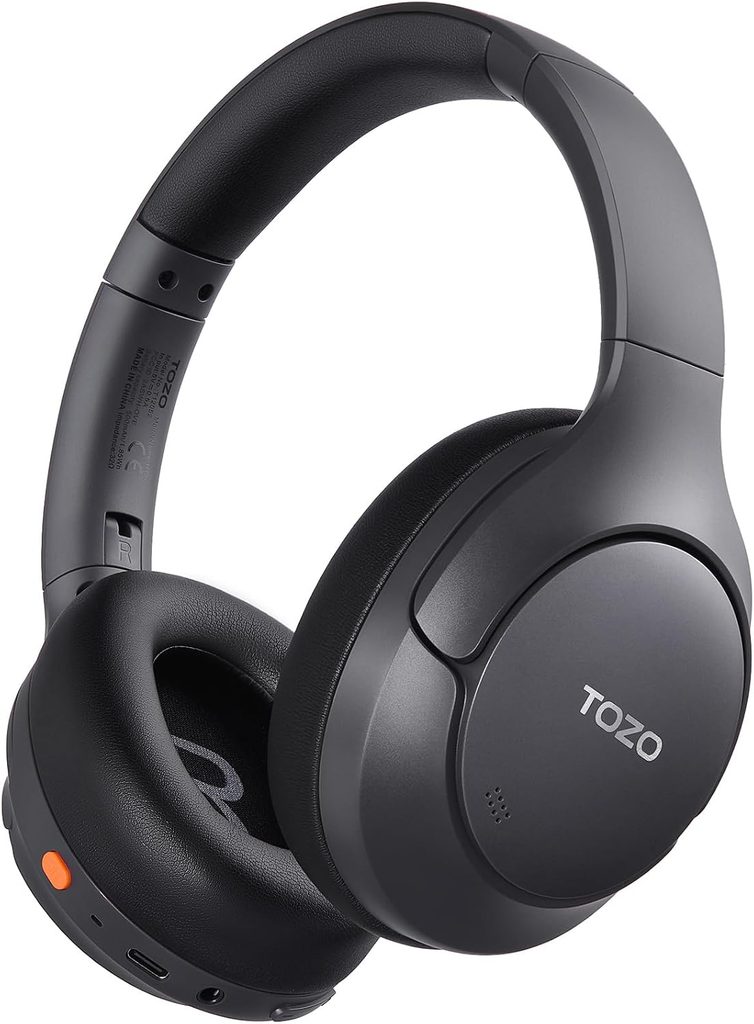
Muddy audio, terrible call quality, and unreliable Bluetooth make the HT3 worth skipping entirely.
The TOZO HT3 includes hybrid active noise cancellation, transparency mode, app-based EQ customization, Bluetooth multipoint, and foldable earcups. Audio quality sounds muddy and compressed. Microphone performance makes voices unintelligible during calls, as if speaking from underwater. Bluetooth connection drops when moving between rooms, turning any call into connectivity roulette. Basic budget alternatives maintain stable connections and deliver clearer sound for similar or lower pricing.