


Two Americas walked into the Hollywood Bowl and collided hard. One is Saturday afternoon Americana — pom-poms, blue-and-white uniforms, one of the most recognizable brands in NFL entertainment. The other is My Chemical Romance, a band that has spent two decades building theatrical worlds out of fictional dictatorships and dramatic darkness. On Oct. 21, during the band’s Black Parade anniversary residency, those two worlds crashed hard enough to produce a Dallas County court filing — the kind of rock star meltdowns that reverberate far beyond the stage. Pro Silver Star Ltd., owner of the Dallas Cowboys Cheerleaders brand, filed a motion seeking a temporary restraining order and preliminary injunction against MCR. The filing date: Oct. 23 — the same day the anniversary edition of the album dropped.
What Happened Onstage
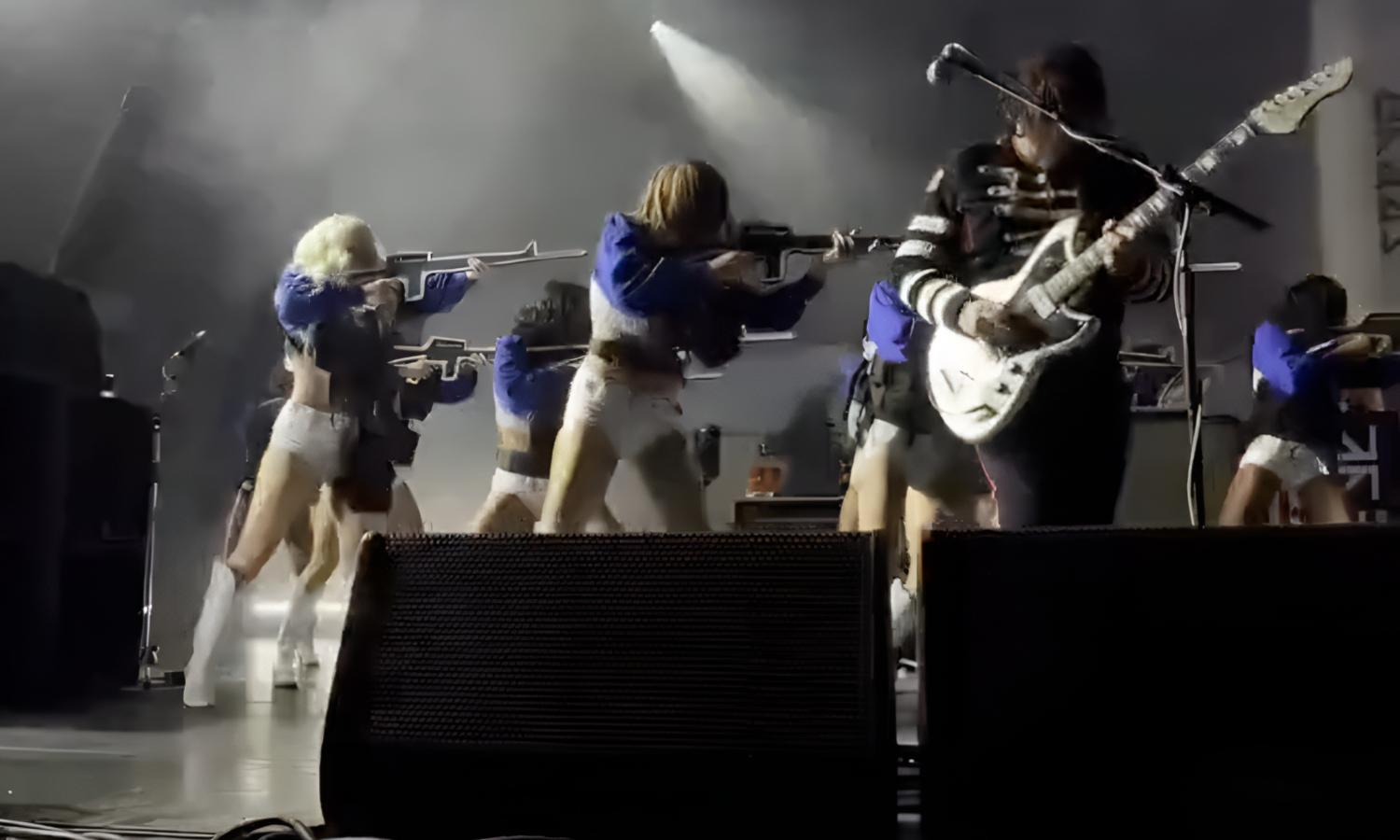
The Oct. 21 Hollywood Bowl performance put DCC-style costumes at the center of a staged armed firefight.
During “Teenagers,” dancers wearing blue-and-white outfits resembling the DCC’s distinctive uniform performed alongside the band, then joined a staged armed firefight. The Black Parade is a concept album built around authoritarianism, spectacle, and theatrical mortality — and the Hollywood Bowl residency is its elaborately staged 20th-anniversary production. The creative context is clear. The legal complaint, however, draws a sharp line between the band’s artistic content and the costume itself.
The Legal Claims
Pro Silver Star’s filing targets the costume design specifically, not MCR’s music, choreography, or staging choices.
According to the court filing, Pro Silver Star contends the outfits could cause audiences and social-media users to believe the actual Dallas Cowboys Cheerleaders participated in or endorsed the show. The company argues that placing a uniform this recognizable inside a scene involving simulated gunfire and onstage deaths damages the brand’s reputation — a dynamic familiar from some of the worst live rock performances ever to generate public backlash. Social-media posts showing viewer confusion were submitted as supporting evidence, according to NBC News. Critically, Pro Silver Star is not asking MCR to change its music, setlist, political themes, choreography, or the gun sequence — only the costume design. The filing also seeks unspecified monetary damages.
One costume. Social-media confusion. A motion for emergency court relief.
The Dispute Sharpens
A cease-and-desist letter sent the day after the performance suggests this conflict escalated quickly.
The dispute sharpened when Pro Silver Star allegedly sent a cease-and-desist letter on Oct. 22 and claimed MCR continued using the disputed costumes afterward, according to reporting from NME and Yahoo Entertainment. That detail shifts this from a one-time complaint into an ongoing allegation. A uniform recognizable enough to function as a commercial trademark does not stop carrying legal weight simply because it ends up on a concert stage — and Pro Silver Star’s filing is built on exactly that argument.
No final court ruling has been issued as of available reporting. The central question — where theatrical expression ends and trademark infringement begins — remains unresolved. The case signals something real to touring production teams: recognizable uniforms, logos, and brand-associated styling now carry genuine legal risk when placed inside violent or politically charged scenes, regardless of artistic intent.