


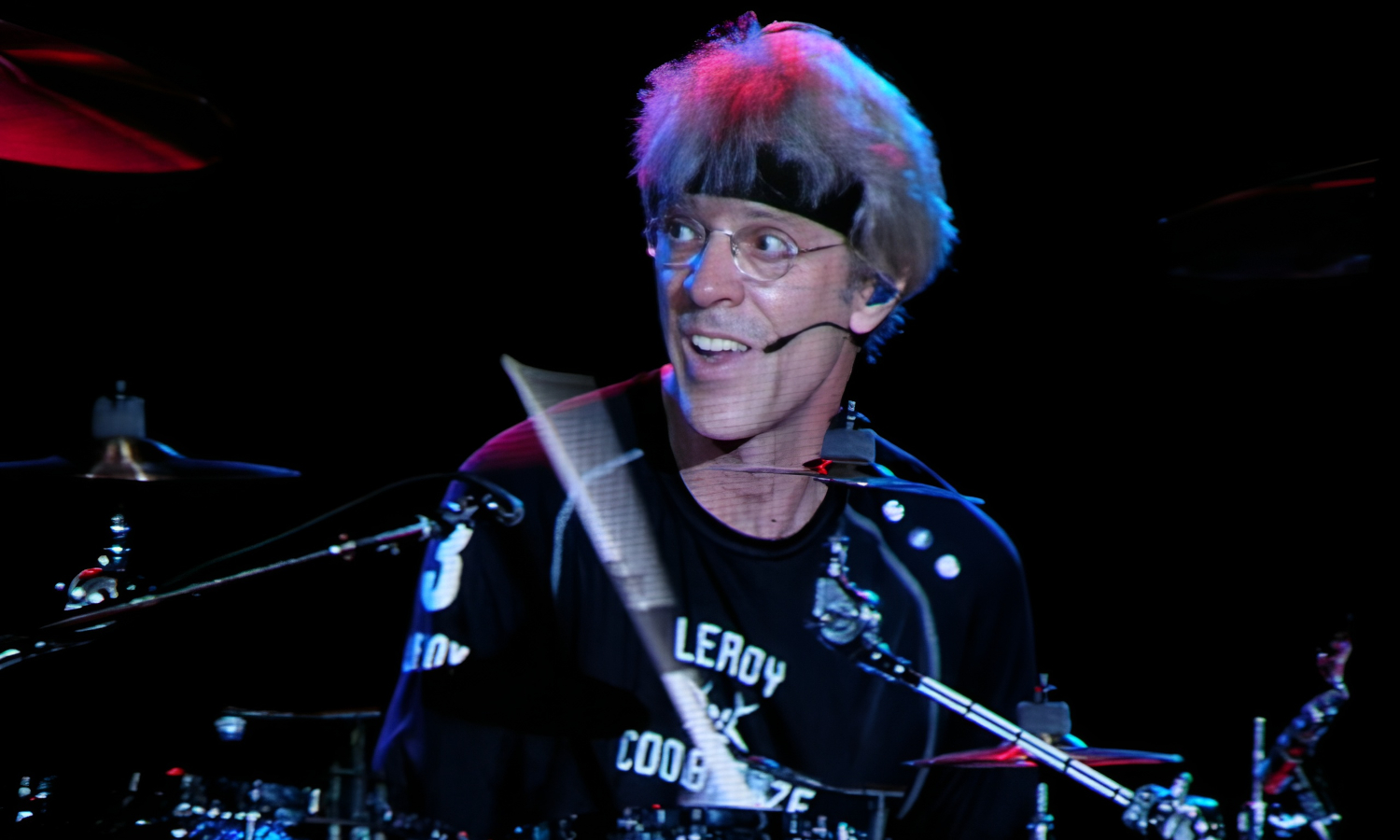
152 shows. 27 countries. Nearly $362 million at the box office. The Police’s 2007–08 reunion was, by any commercial measure, a triumph. Behind the curtain, though, came screaming matches and group therapy sessions that would make any HR department reconsider the open-door policy. Speaking recently on Billy Corgan’s podcast The Magnificent Others, Stewart Copeland unpacked what that contradiction actually meant — and why the band members still consider it worthwhile.
The Music Remembered the Songs. The Band Had Grown Apart.
Time away didn’t dim the catalog, but it quietly eroded the musical instinct that once made The Police feel inevitable.
Copeland was characteristically direct: the band simply wasn’t “as good” during the reunion because the three of them had “grown apart.” The songs held up. The crowds showed up. But the musical pocket — that wordless synchronicity where great bands operate — had worn down over two decades apart. Any listener who has heard a reunited band play live rock performances that are technically correct but emotionally hollow will recognize what Copeland is describing from the inside.
Tour Stats Worth Knowing
- The 2007–08 reunion spanned 152 shows across 27 countries
- Box-office revenue totaled approximately $361.96 million
- Copeland reflected on the tour’s dynamics on Billy Corgan’s podcast The Magnificent Others
- He and Sting attended group therapy during the tour to manage their differences
- Despite the conflict, Copeland says all three members were glad they did it
Therapy, Shouting, and the Occasional Truce
The most revealing detail from Copeland’s account isn’t the arguing — it’s what they tried to do about it.
Copeland and Sting attended group therapy together during the tour. Copeland recounts the sessions with humor, describing an unconventional process that helped both men understand each other more clearly. The underlying observation, though, cuts deeper than the absurdity: as Copeland put it on The Magnificent Others, “We’re not on the same mission.” The therapy didn’t silence the arguments. It simply helped them recover from those arguments faster — a dynamic familiar to anyone who has followed rock star meltdowns on the road.
According to a Loudersound interview, all three members are now on genuinely friendly terms. Another reunion, though, remains unlikely. Copeland’s reasoning is straightforward: they function better as friends than as a working band, and returning to that pressure risks returning to the shouting. His spoken-word show Have I Said Too Much? gives him a way to revisit the Police’s history — the photographs, the memories, the stories — without re-entering that cycle.
The tour made history. The relationships survived. Those two outcomes barely overlapped. That’s the story worth remembering.