


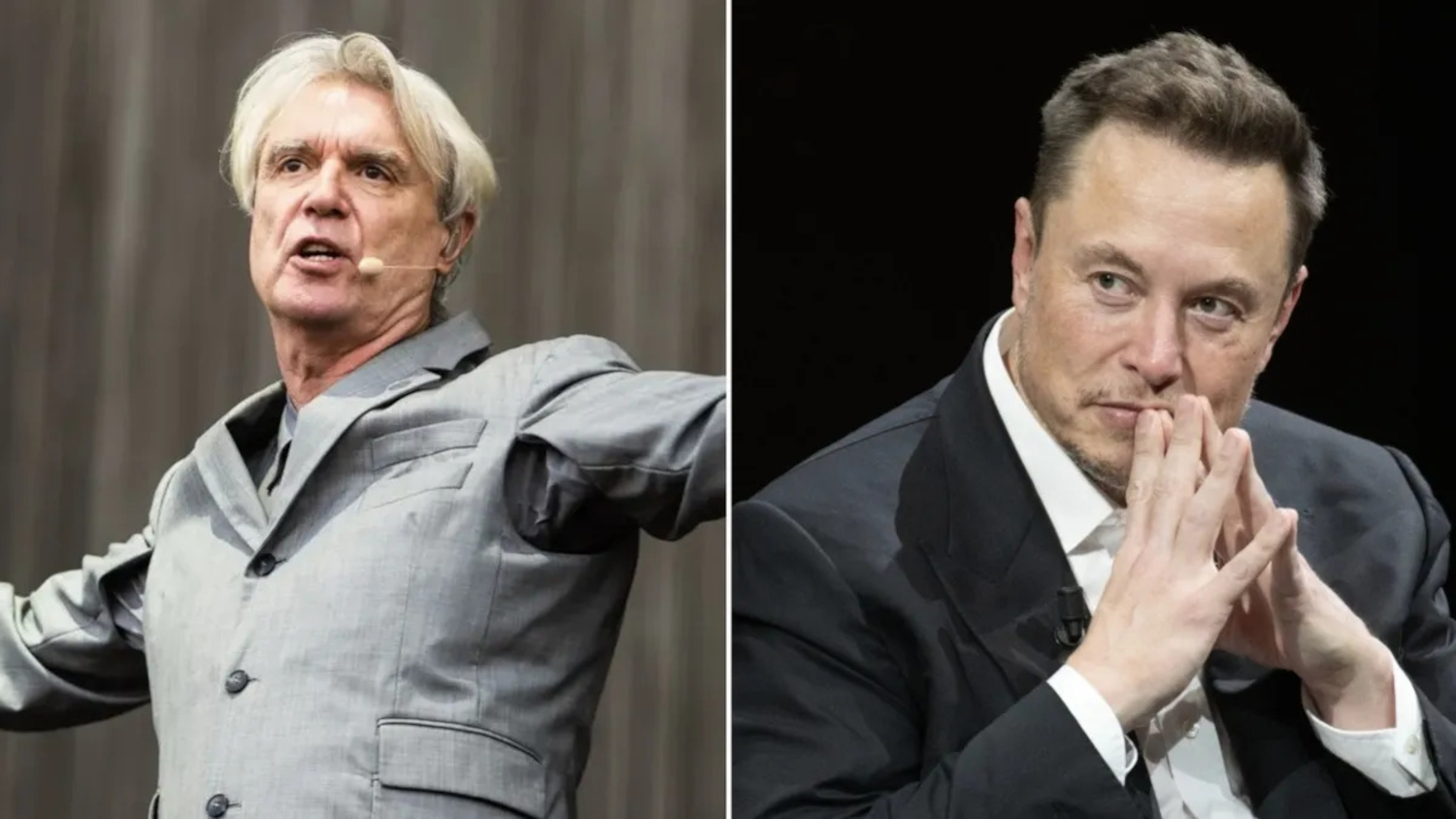
Before watching Alex Gibney’s documentary Musk, David Byrne had already written and arranged “Let Me Sell You a Dream” — a song whose lyrics come entirely from Elon Musk’s own public statements. No editorializing. No invented narrator. Just Musk’s words, selected, sequenced, and set to music by Byrne and composer Daniel Pemberton. Byrne told Pitchfork he avoided overt criticism because getting inside Musk’s head felt more interesting — letting the character describe himself in his own words is the method, and the point.
A Talking Heads Trick, Updated for the Billionaire Age
Byrne has used this found-text approach before — and the precedent makes the Musk collaboration feel less like a stunt and more like a signature move.
This isn’t a one-off provocation. Byrne used the same compositional method for Here Lies Love in 2010, drawing on statements by former Philippine First Lady Imelda Marcos. What makes the technique so effective is its restraint. Selection, repetition, and musical context carry the interpretive weight — no conventional lyrical commentary required. Like a producer flipping a sample until the original melody means something completely different, Byrne doesn’t add meaning so much as expose what was already embedded in the source. Fans of cover songs transformed beyond recognition will find this approach instantly familiar.
Here’s what you need to know about the song and the film:
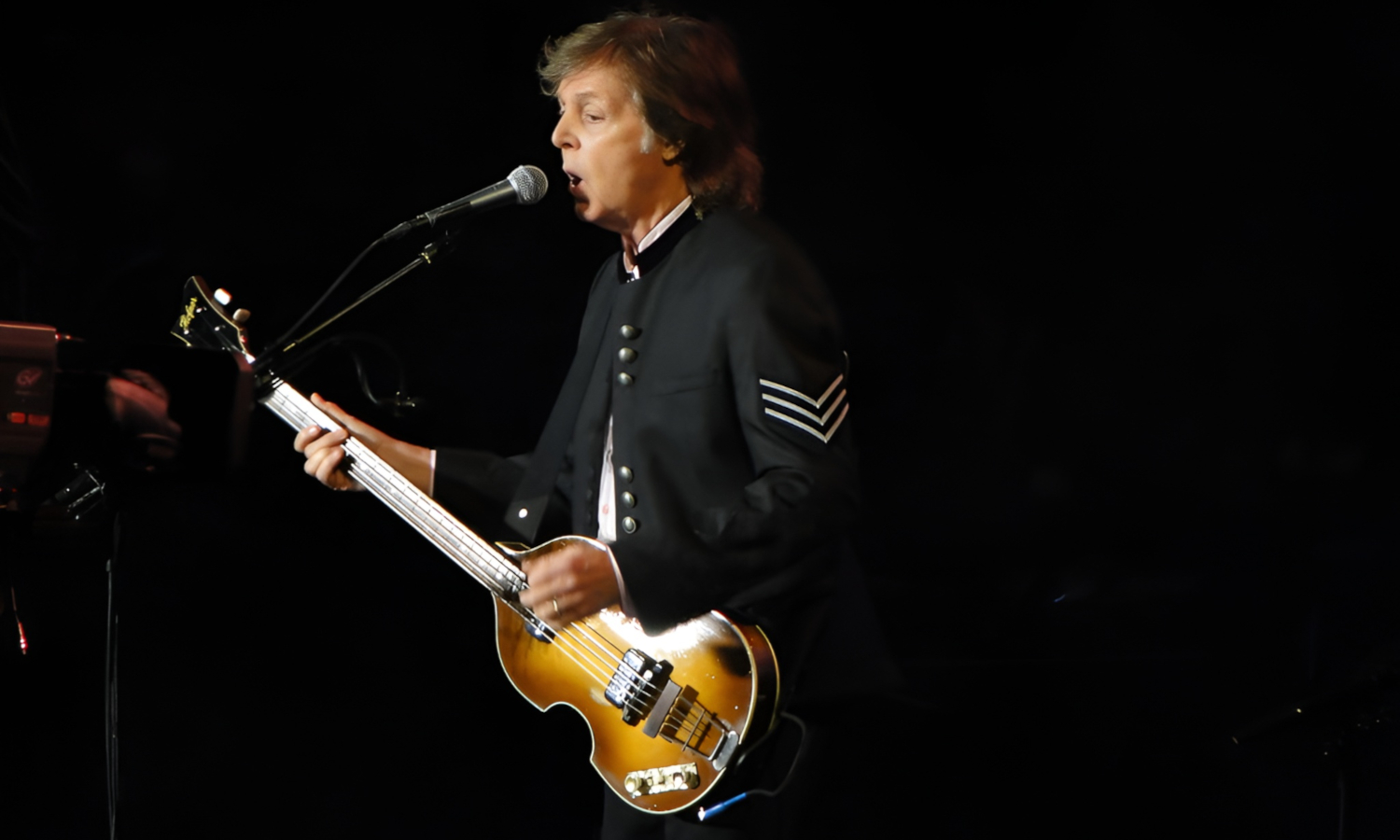
- Stereogum describes “Let Me Sell You a Dream” as uptempo proto-punk/pop-rock, driven by a prominent bass line and a retro-rock organ
- Lyrics drawn entirely from Musk’s podcasts, interviews, and archival appearances
- Gibney told Consequence he wanted an energetic closing track that captured what he viewed as Musk’s chaotic spirit
- Musk runs approximately 3 hours and 45 minutes, including an intermission; Musk declined to be interviewed for the film
- Variety reports the song is being entered for Oscar consideration as a Best Original Song submission through the film’s theatrical run
Pemberton composed the documentary’s score, shaping the sardonic, high-energy tone that makes “Let Me Sell You a Dream” function as the film’s musical culmination rather than a novelty track stapled on at the end. Gibney’s track record matters here. The director behind Going Clear and The Inventor builds arguments through accumulation — archival footage, interviews with former partners, engineers, and journalists. The song carries that accumulated weight into its final two minutes.
You’ve heard Musk say these things before. Byrne’s arrangement makes you hear them differently.
That shift is the broader cultural argument worth tracking. Podcast fragments, interview outtakes, and social media posts have become raw material for artists reckoning with public figures who’ve turned their inner monologue into everyone’s problem. Musk’s distinctive phrasing makes the source instantly recognizable. What Byrne and Pemberton’s arrangement does is change what that familiarity means — reframing boastful declarations as something closer to self-parody, without adding a single word of their own. Whether you hear a visionary or a sales pitch depends entirely on what you were already listening for. Musk opens in theaters October 16. The song never tips its hand, and that ambiguity is precisely what makes it linger.