



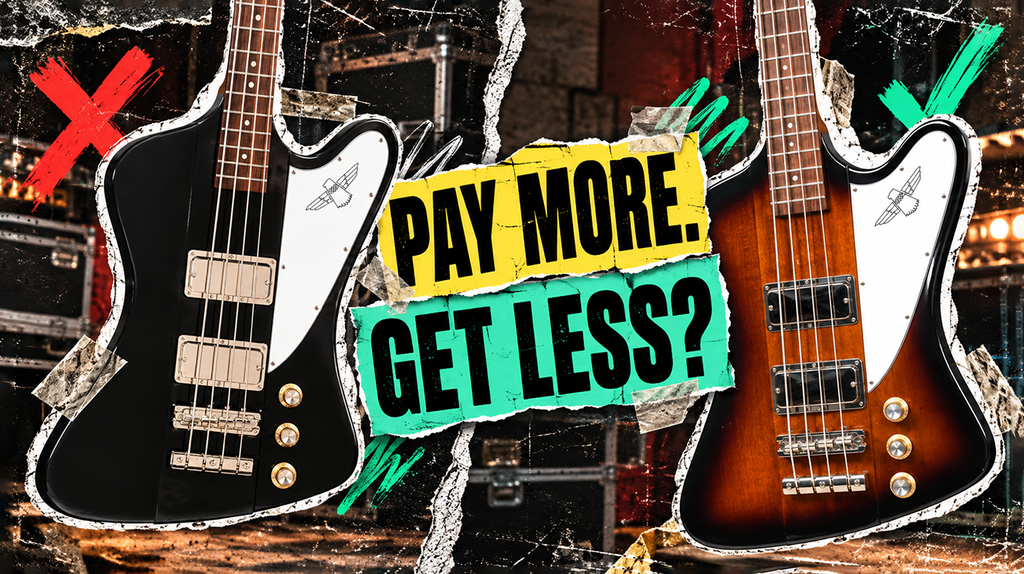
Navigating the bass market means sifting through a festival merch tent’s discount bin. Much gear promises the world but delivers static. Many basses are priced like bespoke sneakers, yet sound like a dollar-store Bluetooth speaker. This guide cuts through hype, spotlighting genuine tone over TikTok clout. Both overhyped and truly outstanding instruments get evaluated here. Discover real value, not just a brand name. Prepare for unexpected finds and significant savings.
This content may contain affiliate links. If you wish to support us and use these links to buy something, we may earn a commission.
Overhyped
10. Squier Sonic Precision Bass
Budget shortcuts often cost more in the long run.
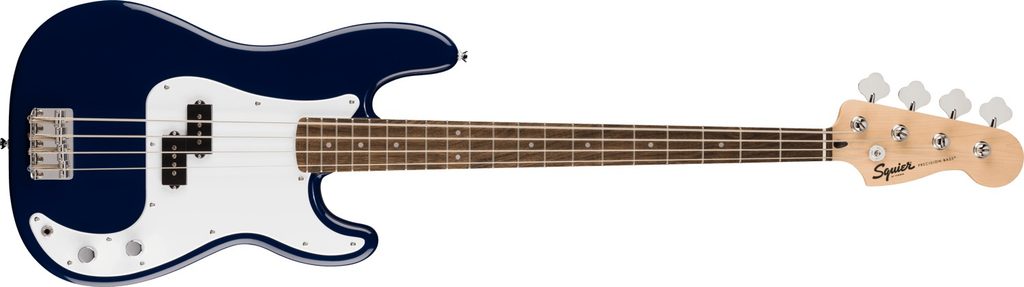
The Squier Sonic Precision Bass, priced around $230, presents itself as an entry door to bass playing. Its lightweight poplar body and slim ‘C’-shaped maple neck with a 34-inch scale and 20 narrow-tall frets offer comfort for new hands.
Picking one up at a big-box store can feel like buying the off-brand cola because the real thing is a few cents more. This instrument offers the bare minimum, a kind of musical starter pack that you’ll quickly outgrow. It’s like buying a disposable camera in the age of iPhone 15 Pros.
Anyone who’s ever tried to edit a decent TikTok on a truly ancient laptop knows this kind of false economy. An instrument should inspire, not just exist, especially when a better option costs barely more.
9. Glarry G Jazz Bass
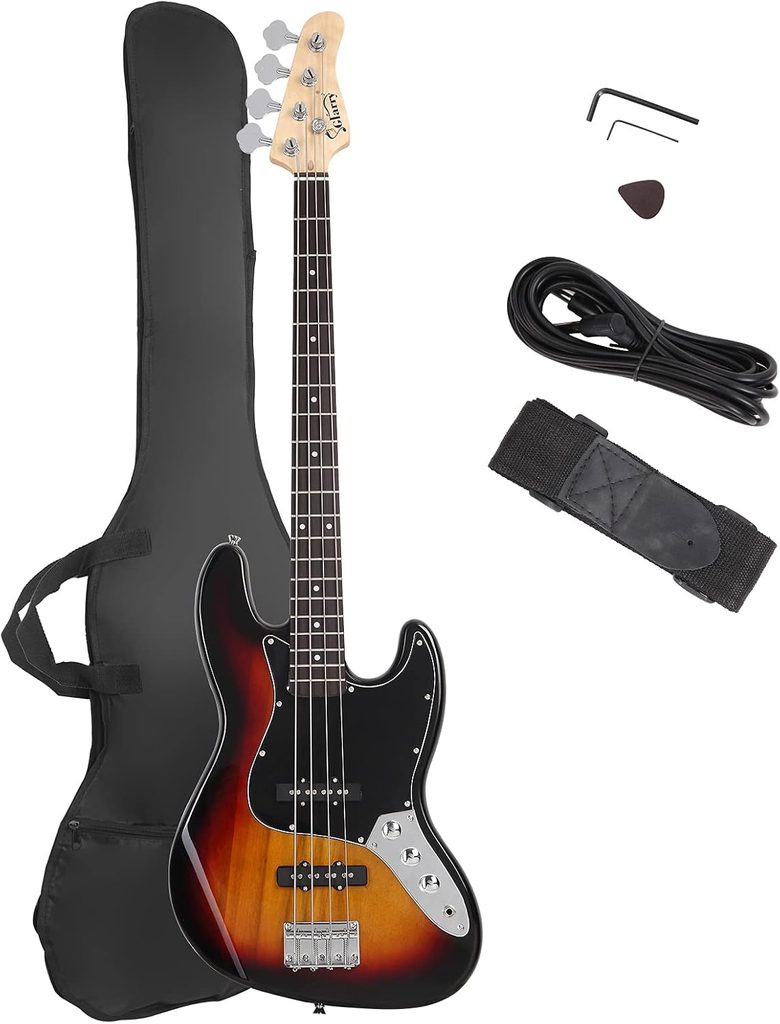
That advertised bargain price hides significant hidden costs.
Selling for as little as $97, the Glarry G Jazz Electric Bass offers a siren song of affordability for aspiring musicians. This instrument, available in four- and five-string versions with a 34-inch scale, seems like a steal on paper.
Much like that viral TikTok hack that ruins your hair, its true cost extends beyond the initial purchase. Quality control can vary substantially. Factory setup often requires professional adjustment.
That initial $97 outlay quickly escalates when you add the $50–$100 needed for a professional setup. Bridge, truss-rod, nut, intonation, and action adjustments may be required after purchase. This is like buying a project car at a good price, then discovering the engine needs a total rebuild.
8. Rickenbacker 4003
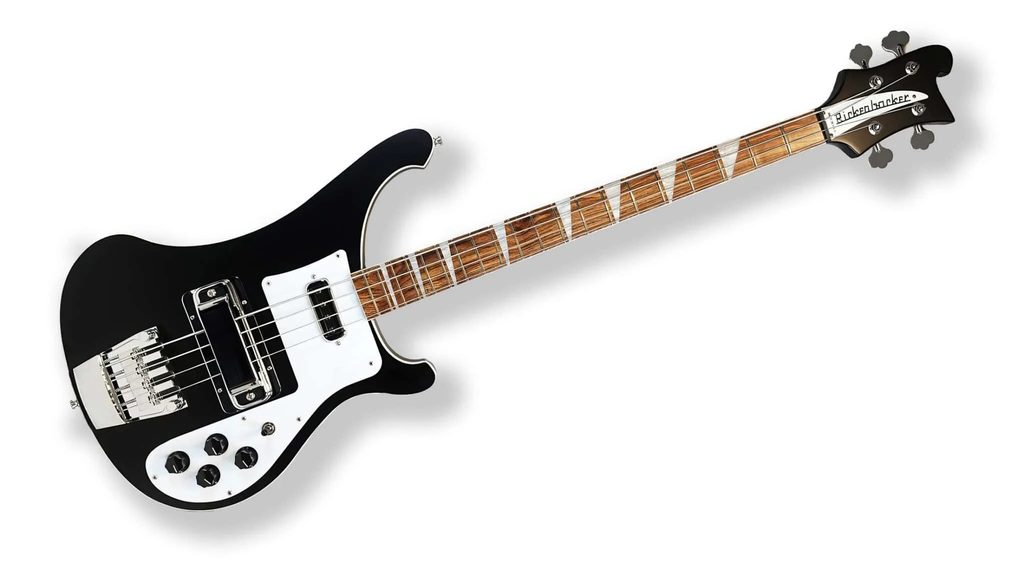
Its legend outweighs its current availability and practical considerations.
The Rickenbacker 4003 will set you back $2,599 for a new model. This bass, with its distinctive solid maple body and maple-and-walnut neck-through construction, features a 33¼-inch scale. The model includes rosewood fingerboard, 20 frets, two Hi-gain pickups, and weighs approximately 9 pounds according to manufacturer specifications.
Getting your hands on a new one means navigating substantial wait times. Trying to score a new one feels less like buying an instrument and more like trying to get concert tickets to a band that hasn’t toured in a decade.
The instrument’s weight can be substantial, and some hardware feels surprisingly delicate for such a premium instrument. Bypassing the multi-year wait and the inevitable depreciation, buying used often remains the smarter move.
7. Gibson Thunderbird Bass
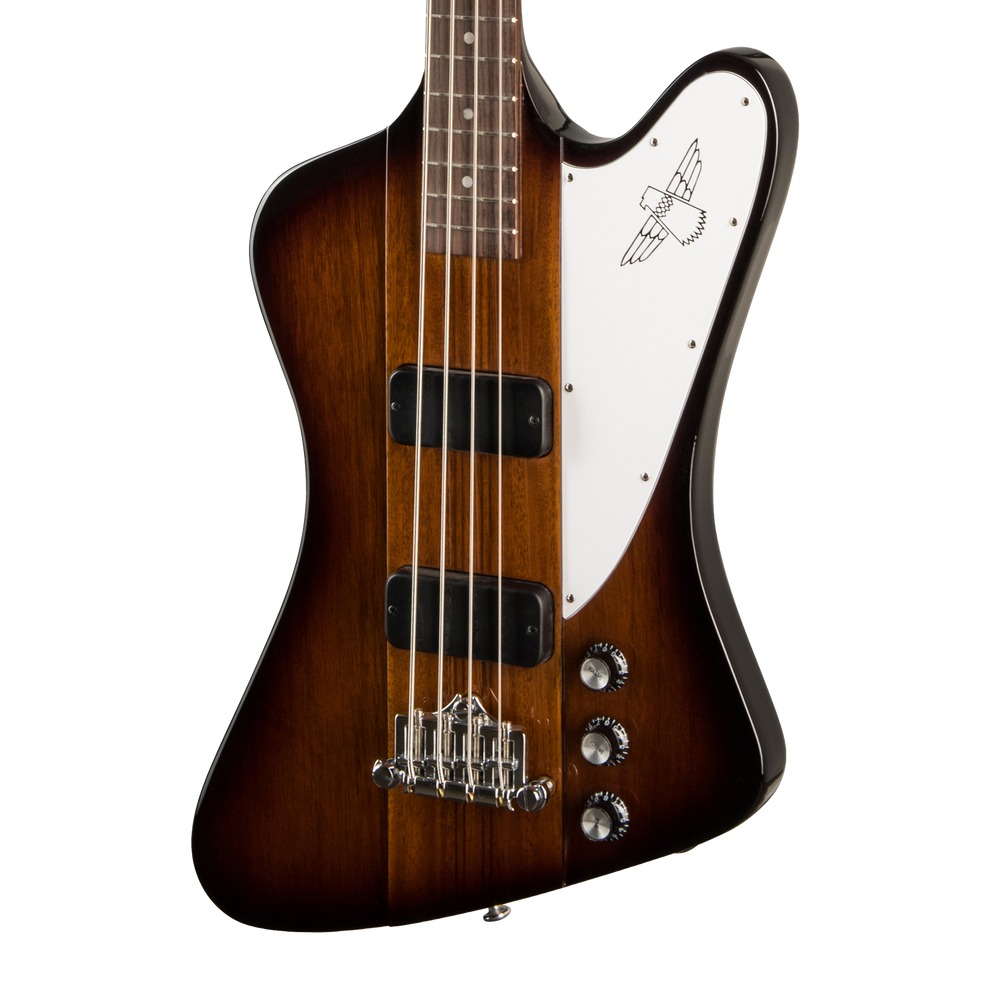
The current model diverges significantly from its revolutionary 1963 predecessor.
In 1963, the Gibson Thunderbird Bass arrived with revolutionary neck-through-body construction and a 34-inch scale that defined its sound. This continuous design was its literal backbone, providing distinctive sustain.
The current Gibson Thunderbird Bass, priced at $2,499, features a mahogany body and a glued-in set neck. This set-neck construction represents a significant departure from the original’s neck-through build. The model includes 20 medium-jumbo frets, SlimTaper mahogany neck, two EB Bass humbuckers, and Hipshot Ultralite Mini-Clover tuners.
Does this iteration truly capture the essence of its pioneering predecessor, or is it a classic rock t-shirt printed on cheap fabric? The new version prioritizes modern playability over the original’s defining innovation.
6. Fender James Jamerson 1962 Precision Bass
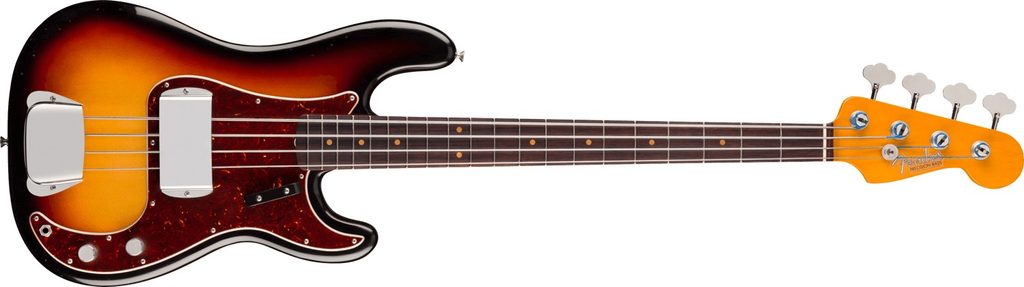
The legendary Motown tone came from technique and foam, not premium wood.
Fender announced the James Jamerson 1962 Precision Bass with a $2,999.99 U.S. MSRP. The published specification includes an alder body, bolt-on maple “C”-shape neck, slab rosewood fingerboard, clay-style dot inlays, and bone nut. With a 34-inch scale, 7¼-inch radius, and 20 vintage-tall frets, the specs deliver vintage feel.
A custom-voiced 1962 Precision split-coil pickup handles the electronics. The tribute includes foam damping under the bridge cover, reflecting Jamerson’s documented playing setup. That foam, a silent partner in his legendary muting technique, played a crucial role in his sound.
Anyone who’s tried to nail a Jamerson line knows his sound wasn’t just about the bass. It was about flatwound strings, often worn ones, and his inimitable touch. Basic Precision basses with fresh flatwound strings and foam damping can approximate aspects of that iconic Motown thump for a fraction of this tribute’s cost.
Underrated
5. Squier Classic Vibe ’60s Precision Bass
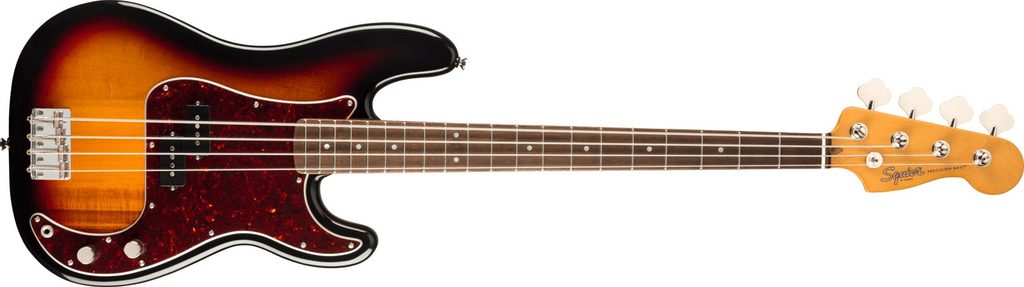
This bass redefines expectations for its price bracket.
The Squier Classic Vibe ’60s Precision Bass typically sells around $350 street price. This bass packs features once reserved for premium instruments, like a Fender-designed Alnico split single-coil pickup. The 9.5-inch fingerboard radius pairs with a vintage-style bridge featuring threaded saddles.
Its poplar body and maple ‘C’-shaped neck with a 34-inch scale combine traditional playability with modern comfort. Anyone chasing that authentic ’60s growl but still needing contemporary playability knows the struggle.
Discovering this bass is like finding your favorite indie band sounds better live than on their overproduced album. This model sets a new floor for serious players. It delivers the sonic goods without a collector-level price tag.
4. Sterling by Music Man SUB Ray4
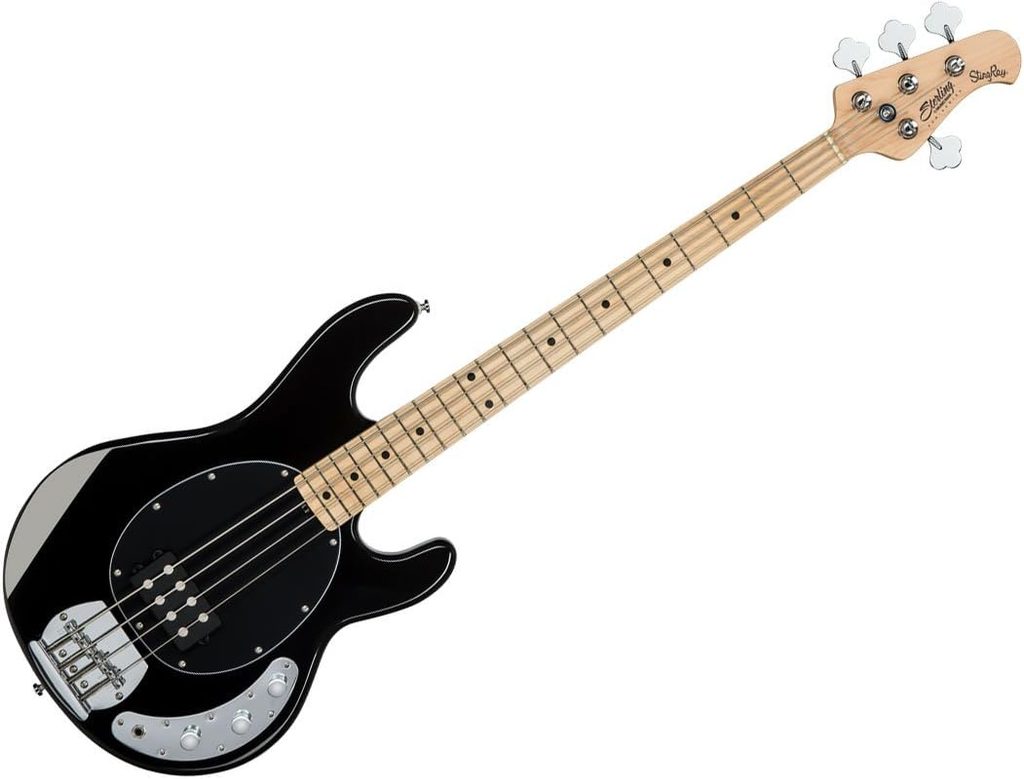
Active electronics at this price point deliver serious versatility.
The Sterling by Music Man SUB Ray4 delivers the iconic StingRay sound without demanding a second mortgage. Its basswood body, hard maple neck, and 34-inch scale drive a single H-1 ceramic humbucker.
Unlike many budget basses offering only passive controls, this model boasts a versatile two-band active preamp. That’s a serious power-up, giving genuine onboard bass and treble control. It’s like bringing a sonic Swiss Army knife to a butter knife fight.
This preamp lets a gigging musician quickly transform a reggae thumper into a sharp funk slap mid-set. Deep body contours enable easy upper-fret access, and the lightweight design suits extended sessions. Left-handed versions are available in some markets.
3. Epiphone Thunderbird ’60s Bass
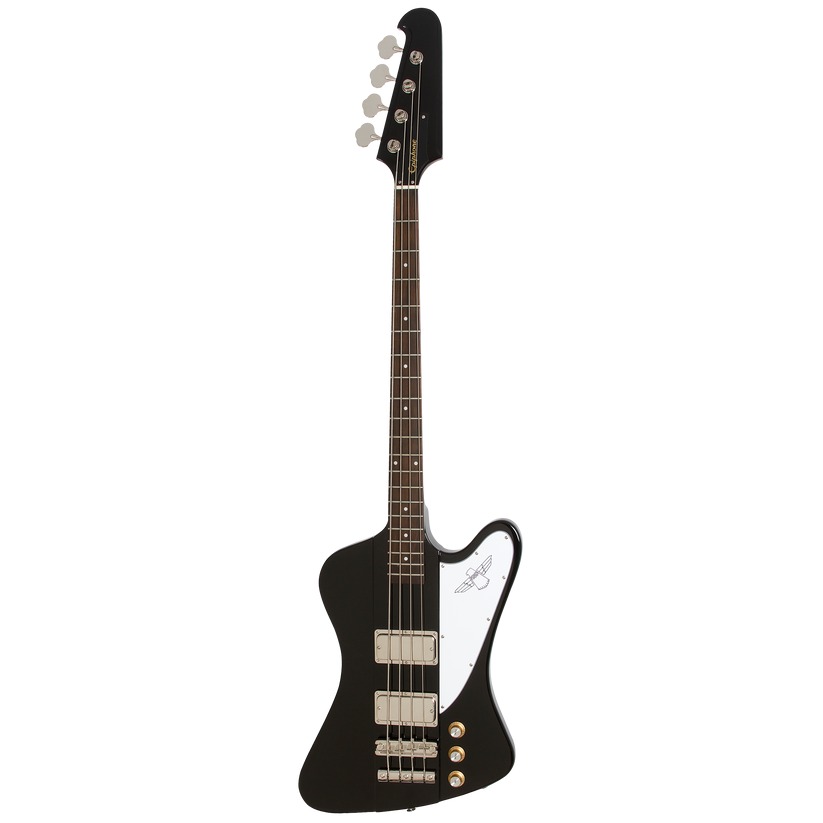
This model delivers the original’s defining neck-through construction for $550.
The Epiphone Thunderbird ’60s Bass, priced around $550, boasts genuine seven-piece mahogany-and-walnut neck-through-body construction. This continuous design provides the kind of resonance and stability that the current Gibson Thunderbird’s set-neck configuration cannot match.
The bass features a 34-inch scale length, Indian laurel fingerboard with a 12-inch radius, and 20 medium-jumbo frets. Two ProBucker 760 humbuckers deliver substantial output. This neck-through design ensures smooth upper-fret reach, allowing access to high notes without wrestling the instrument.
This Epiphone isn’t just a budget-friendly option. For players chasing that raw Thunderbird growl and unmistakable stage presence, this bass delivers the original’s defining construction feature at a fraction of the Gibson’s price.
2. Sire Marcus Miller V3P
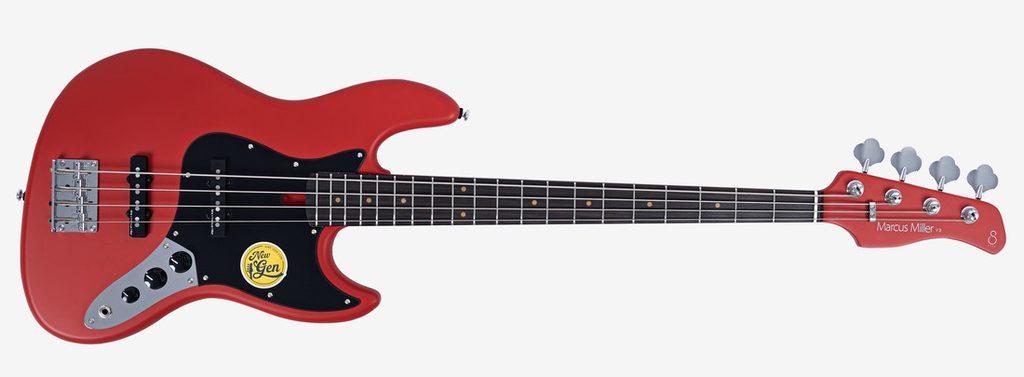
Rolled fingerboard edges typically cost $1,000 more on other basses.
Rolled fingerboard edges, a feature typically found on boutique basses costing over $1,000, are standard on the Sire Marcus Miller V3P. This Jazz Bass-style model features a mahogany body, maple neck, and rosewood fingerboard with 24 frets. The “Edgeless” fingerboard treatment refers to rounded or rolled fingerboard edges.
When you first grasp the neck, it feels broken in, like perfectly worn-in sneakers. Sire’s direct factory ownership enables quality control that brings premium comfort features to an accessible price point.
The neck glides smoothly, offering hand-finished feel without the boutique price tag. This bass shatters the traditional price ladder. Compare its feel directly against far more expensive options before buying.
1. Yamaha BB434
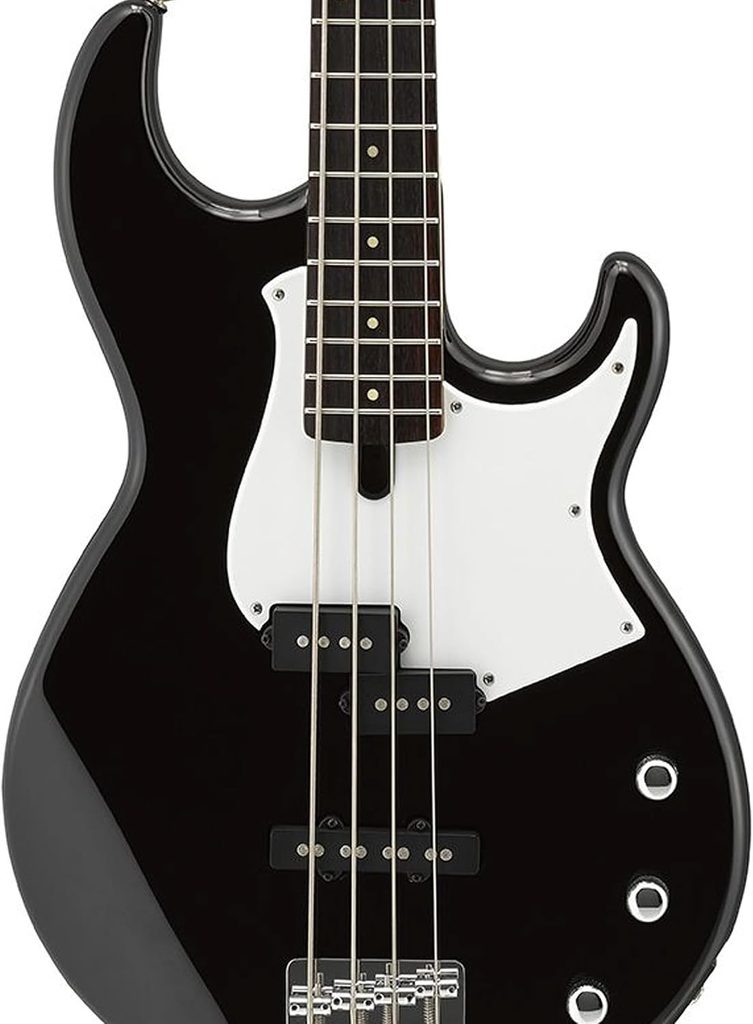
The six-bolt miter neck joint delivers boutique-level stability.
The Yamaha BB434’s innovative six-bolt miter neck joint uses diagonal bolts in addition to conventional neck bolts to improve the neck-to-body connection. This technique, uncommon even on many boutique instruments, enhances sustain and structural integrity. This design delivers foundational stability usually reserved for far costlier instruments.
This four-string features a solid alder body, five-piece maple-and-mahogany neck, 21 frets, and a 34-inch scale. Yamaha V5 Alnico 5 pickups in Precision- and Jazz-style positions offer versatile tonal range. The instrument delivers deep P-bass thump or a J-bass growl without relying on active electronics.
For a bass that typically costs between $520 and $600, prioritizing genuine engineering value over heritage delivers serious performance. This bass is a workhorse, not a fragile show pony.