




Gibson’s Les Paul defined electric guitar architecture in the early 1950s, yet the company wrestles with brand positioning that alienates younger players. A consultation with Gibson revealed the disconnect: solid products strangled by marketing that treats innovation like a museum exhibit. This showdown examines how Gibson, Heritage, PRS, and Duesenberg interpret the single-cutaway standard—and whether the legend still justifies the price.
10. Gibson Les Paul Standard ’50s Goldtop
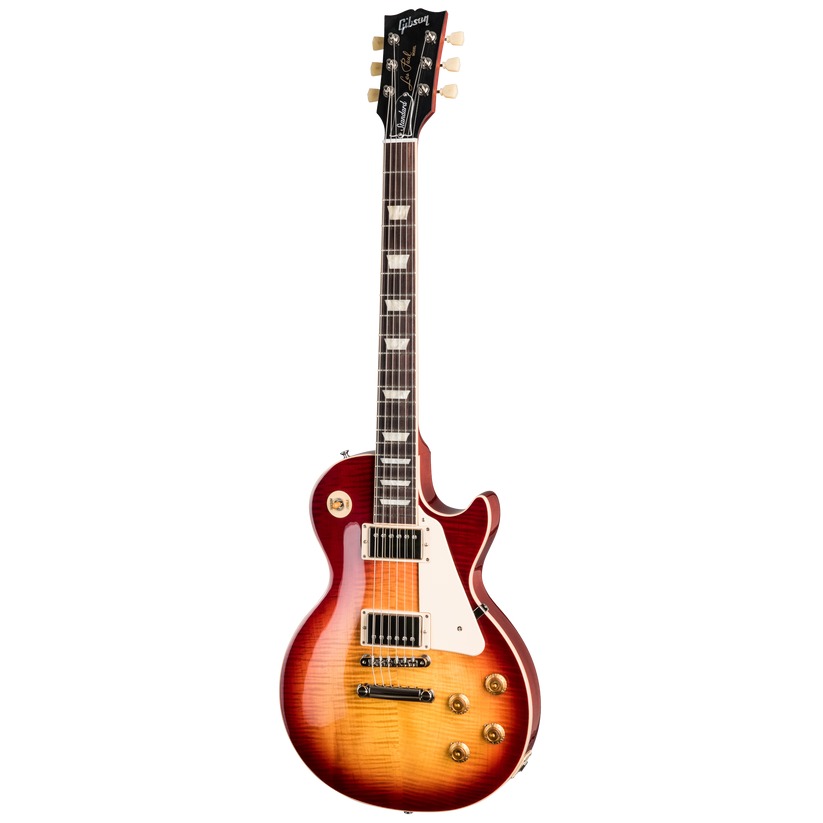
Pure tradition without the weight-relief shortcuts.
The Les Paul Standard ’50s Goldtop delivers a rounded ’50s neck profile and a solid mahogany body with zero weight relief. That 24.75-inch (62.87 cm) scale length provides the classic pliant string feel Les Paul players demand. Burstbucker humbuckers reference original P.A.F. pickups, delivering growl and clarity without vintage markups.
This lightweight, well-balanced instrument maintains intonation with ease. Its fit and finish confirm this isn’t merely nostalgic pastiche. For guitarists chasing the unadulterated feel of an iconic classic, this meticulously recreated instrument delivers every ounce of expected character.
9. Heritage Standard II H-150
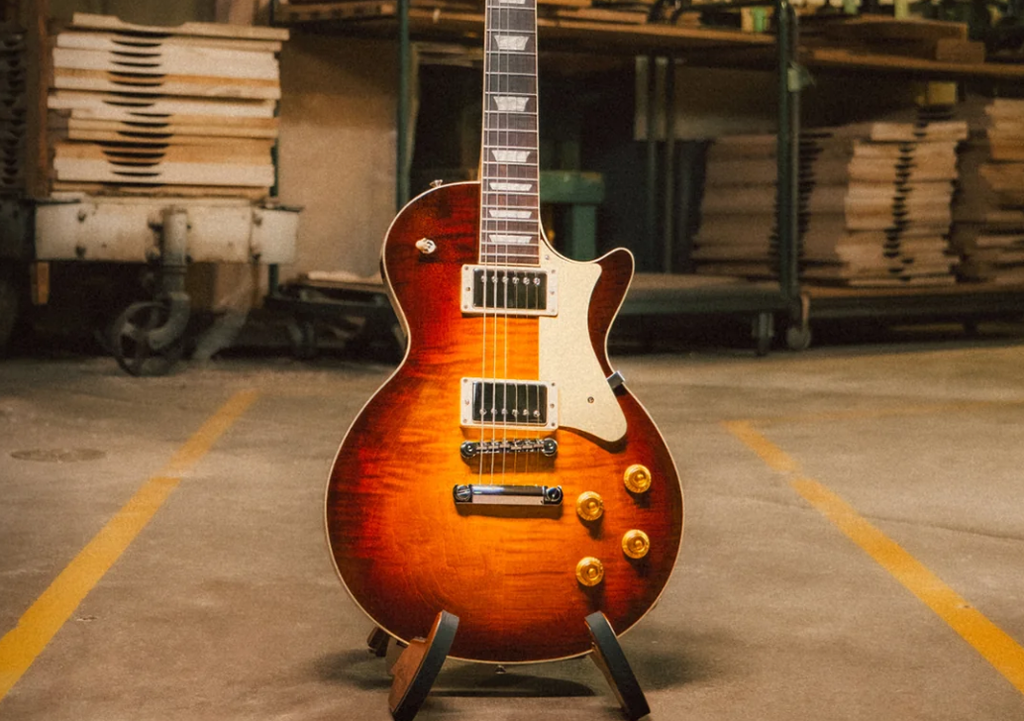
Kalamazoo craftsmanship with modern weight relief.
Weight-relieved genuine mahogany construction makes this the lightest contender in the lineup, yet resonance remains uncompromised. Heritage Custom Shop 225 Standard humbuckers produce articulate tone that punches through dense mixes. A factory relic finish adds lived-in authenticity without the clumsy execution seen elsewhere.
This guitar surprises players accustomed to dismissing new offerings. The H-150 redefines expectations from a Kalamazoo-built instrument, proving underdogs sometimes pack the biggest punch. Superior sound and feel arrive without pretense or inflated pricing.
8. PRS McCarty SC56 40th Anniversary
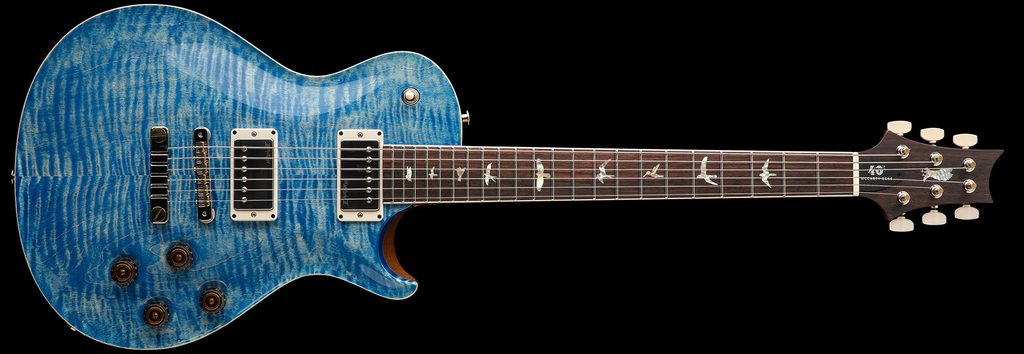
Limited-edition precision for collectors.
Sweetwater’s exclusive run limited production to approximately 400 units. Exceptional fit, finish, and attention to detail make this feel less like a guitar and more like a high-end watch movement. Every joint, carve, and fret receives Swiss-level scrutiny during assembly.
This remarkably resonant instrument cuts through a mix with authority. For collectors demanding both sonic excellence and impeccable craftsmanship, this limited release satisfies without compromise. The vintage-inspired aesthetic pairs with modern engineering that leaves no detail unaddressed.
7. PRS S2 McCarty 594
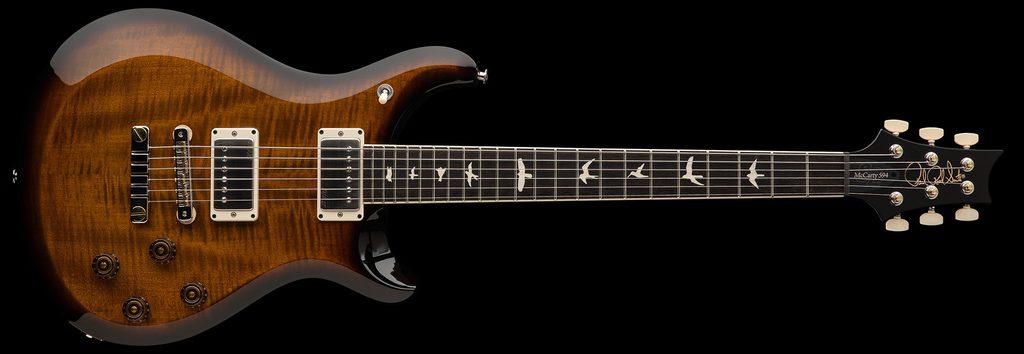
American craftsmanship at accessible pricing.
Built in the same American factory as pricier PRS siblings, this instrument democratizes access to the revered PRS experience. The 58/15 LT humbuckers and distinctive 24.594-inch (624.7 mm) scale length deliver tone and playability nearly indistinguishable from expensive Core models. Meticulous construction ensures that quintessential PRS character lands in your hands, not just on a spec sheet.
This S2 series model offers serious performance that punches well above its weight class. For musicians seeking top-tier American craftsmanship without prohibitive cost, this guitar removes financial barriers to professional-grade instruments.
6. Duesenberg Phantom S
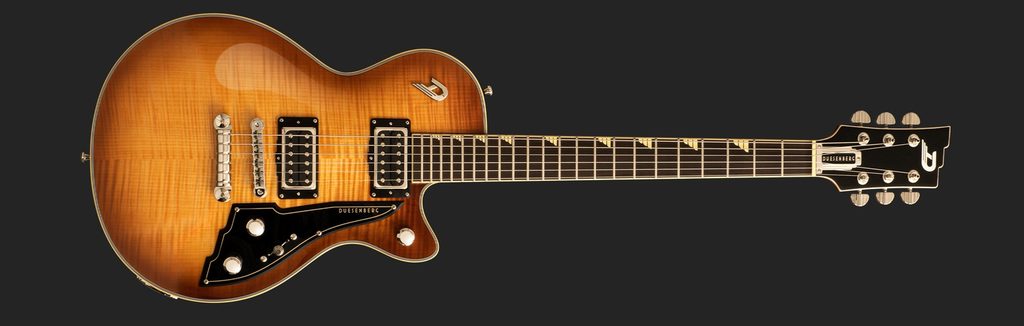
Stage presence wrapped in Art Deco styling.
Final assembly happens in Hanover, but core woodworking occurs overseas, complicating perceptions of German branding for anyone expecting origin-consistent craftsmanship. That super-heavy, chunky toggle switch feels like flipping on the engines of an old DC10—pure theatrical drama. Playing feel registers more in line with import-level guitars despite premium pricing.
Pure stage presence defines this instrument. Automotive and aeronautical styling turns heads like a vintage Lamborghini Countach on a suburban street. The aesthetic remains its strongest asset, though occasional flaking binding or overlapping control plates raise questions. The looks promise a private jet; the flight delivers strict economy.
5. Gibson: Brand Evolution and Identity
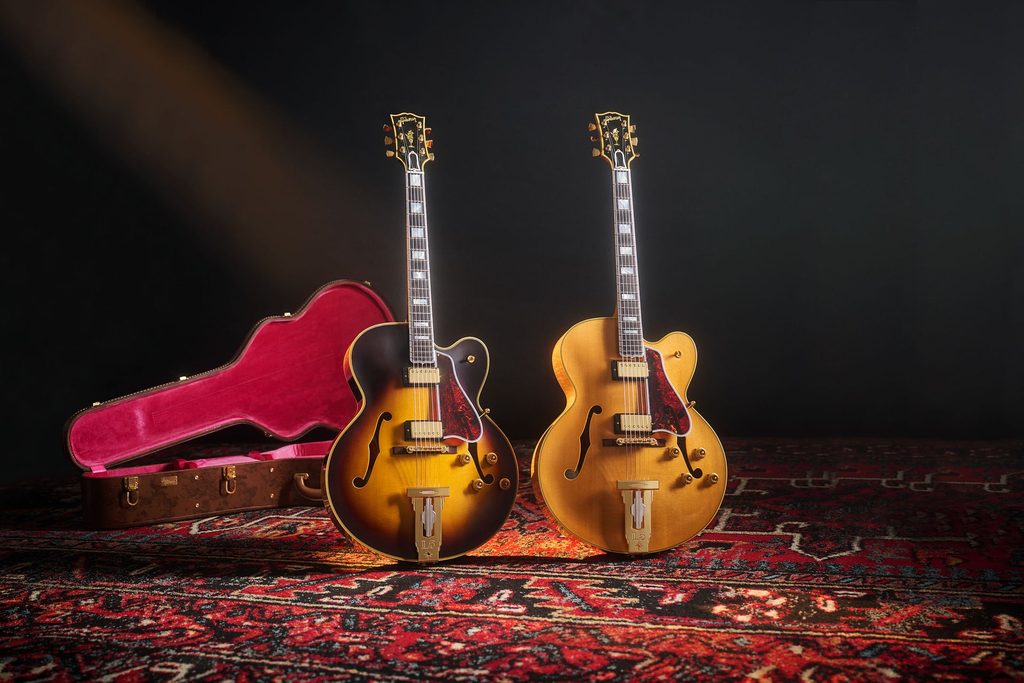
Quality improved, but marketing still misses the mark.
Since the 2019 ownership change, Gibson addressed core production issues that once plagued its reputation. Current models demonstrate dramatically improved quality with fair pricing for 2026. Yet the brand faces a more existential challenge: marketing that leans too hard into elitist, nostalgic territory.
Industry observers note Gibson treats instruments like museum pieces rather than vital tools for artists. This approach makes their guitars feel inaccessible to younger players. Fender’s engagement with the next generation of guitar players demonstrates the alternative path. Gibson needs to celebrate innovation and utility, selling the dream of what players can create now instead of what legends accomplished decades ago.
4. Heritage Guitars: Kalamazoo’s Legacy
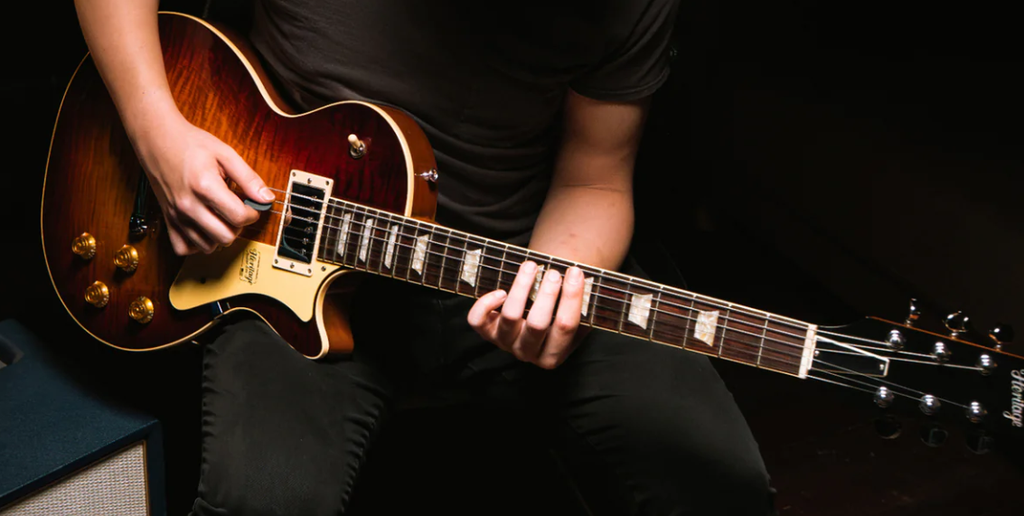
Preserving American manufacturing against corporate consolidation.
Former Gibson employees refused to let decades of guitar-making history vanish from Kalamazoo, Michigan. In 1985, these craftsmen founded Heritage Guitars in the very factory where iconic instruments were once born. They sought to continue American manufacturing, handcrafting instruments rooted in tradition. For guitarists who value lineage, knowing your axe’s origin connects directly to rock history.
The H-150 faithfully recreates the classic single-cut format. A curly maple top combines with weight-relieved genuine mahogany back, built using traditional methods. Its 24.75-inch (62.87 cm) scale length and 22 frets ensure familiar feel. Heritage preserves a vital chapter of American guitar lore, one meticulously built axe at a time.
3. PRS Guitars: Precision and Consistency
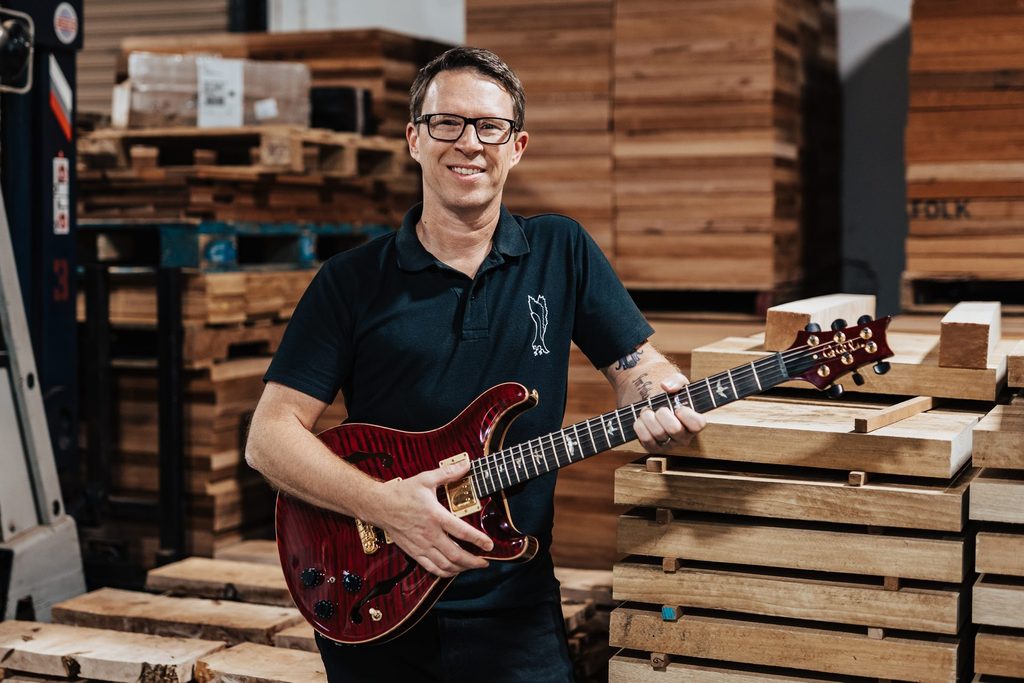
Unwavering quality across every price point.
PRS maintains highly consistent factory workmanship across its entire lineup. This consistency ensures precision engineering you can rely on, regardless of model. The McCarty family offers vintage-oriented range with meticulous construction that feels custom-shop level. Every carve and joint meets exacting standards without variation.
The S2 series delivers lower-priced U.S.-made instruments with quality shockingly close to expensive Core models. The S2 McCarty 594, with its 24.594-inch (62.47 cm) scale length and 22 frets, exemplifies this commitment. Unwavering dedication to reliable build quality across diverse price points makes PRS a significant differentiator in the market.
2. Duesenberg: Aesthetic Vision and Global Production
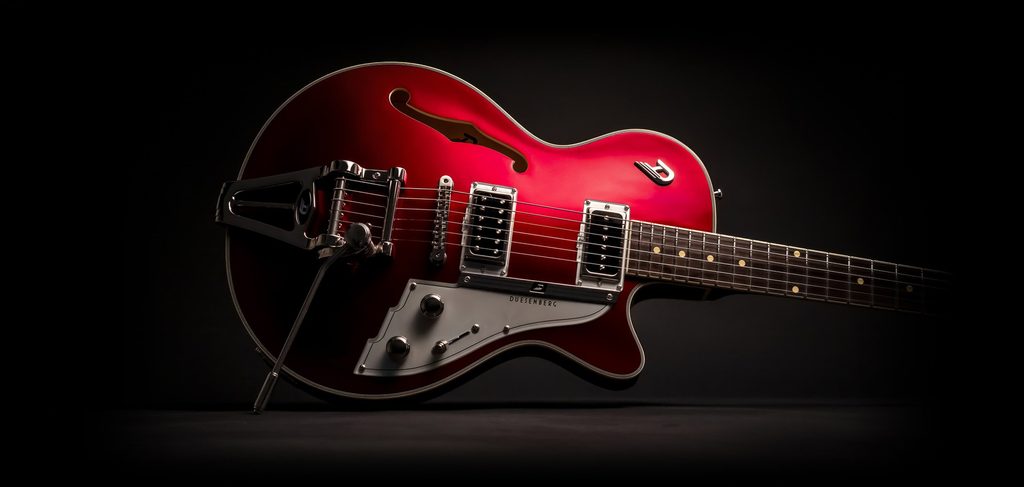
German oversight meets international manufacturing.
Duesenberg’s Hanover headquarters cultivates an Art Deco aesthetic that immediately grabs attention. Ornate hardware and distinct headstocks suggest an entirely German-forged instrument. Marketing often reinforces this perception. Yet core construction—including woodworking, binding, and inlay—occurs overseas, with production reportedly in Croatia since 2023.
This reality hits different considering the premium price tag. Final assembly and specific processes occur at Duesenberg’s Hanover facility, providing German oversight rather than complete German manufacturing. You invest in distinctive aesthetic and quality control, not necessarily German-birthed provenance. That unique style continues to define Duesenberg’s market niche despite questions about value proposition.
1. The Enduring Les Paul Design
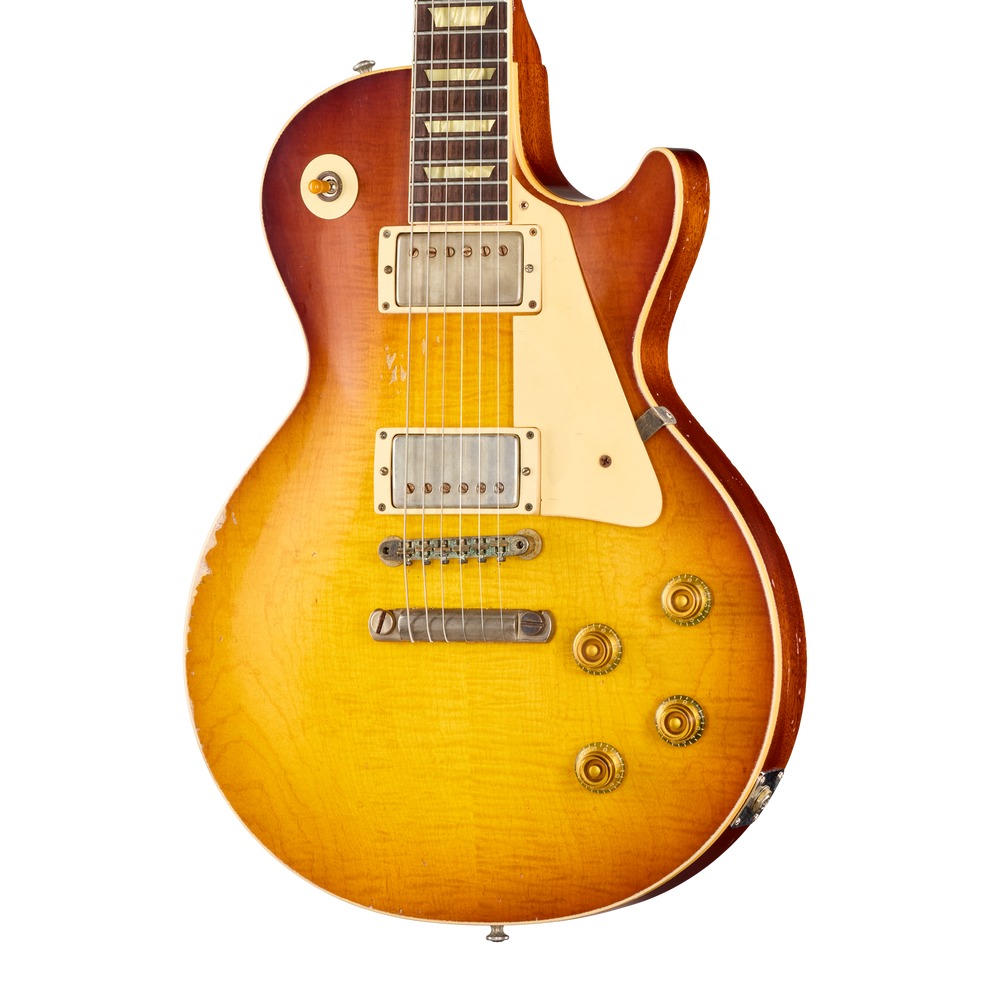
A foundational recipe still shaping electric guitar history.
Gibson’s early-1950s Les Paul established a foundational formula that persists across manufacturers and generations. A single-cutaway body, carved maple top over mahogany back, glued-in mahogany neck, and shorter 24.75-inch (62.87 cm) scale with two humbucking pickups became the universal language of six strings. This design delivers warmth and sustain that cuts through decades of musical fads.
Heritage, PRS, and Duesenberg consistently reinterpret this classic platform. Each brings fresh perspectives and modern refinements while respecting the original structure. A new generation of guitarists, often weary of chasing fleeting digital synth trends, still discovers this enduring framework. The Les Paul remains an unapologetic rumble that defines serious electric guitar architecture.