



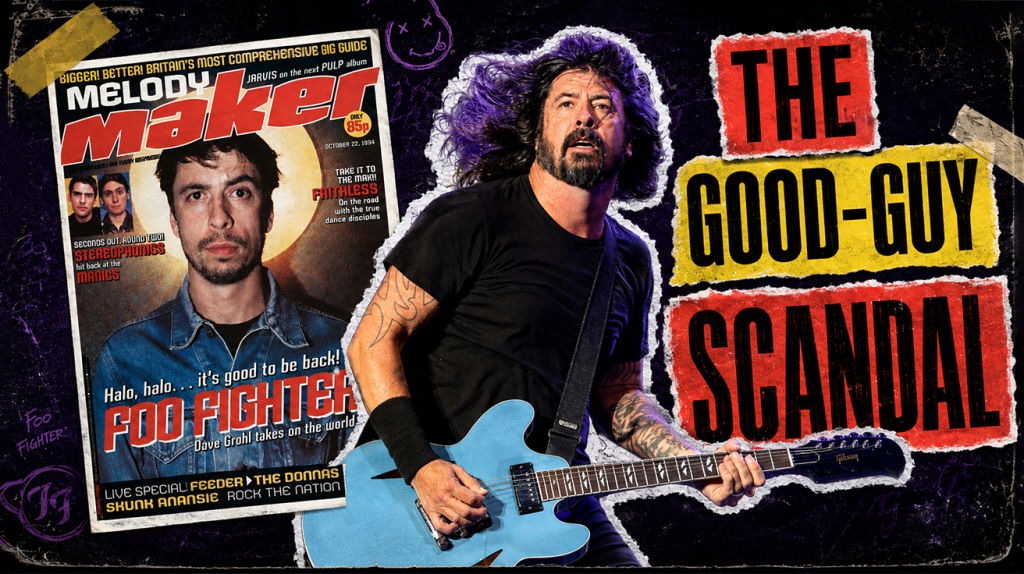
Rock and Roll Hall of Fame inductions don’t shield anyone from the grim reality of a tarnished public image. Like a perfectly aged vinyl record scratched by a clumsy DJ, some legacies carry permanent damage. A single misstep can send a carefully built persona straight to the digital gallows. This list pulls back the curtain on legends whose actions off-stage, or even just a poorly managed beef, left a lasting mark. We’ve dug past the discographies to explore how adoration curdles into cringes. These are the icons whose names are etched not just in history books, but in the annals of public scandal.
16. Dave Grohl / Foo Fighters
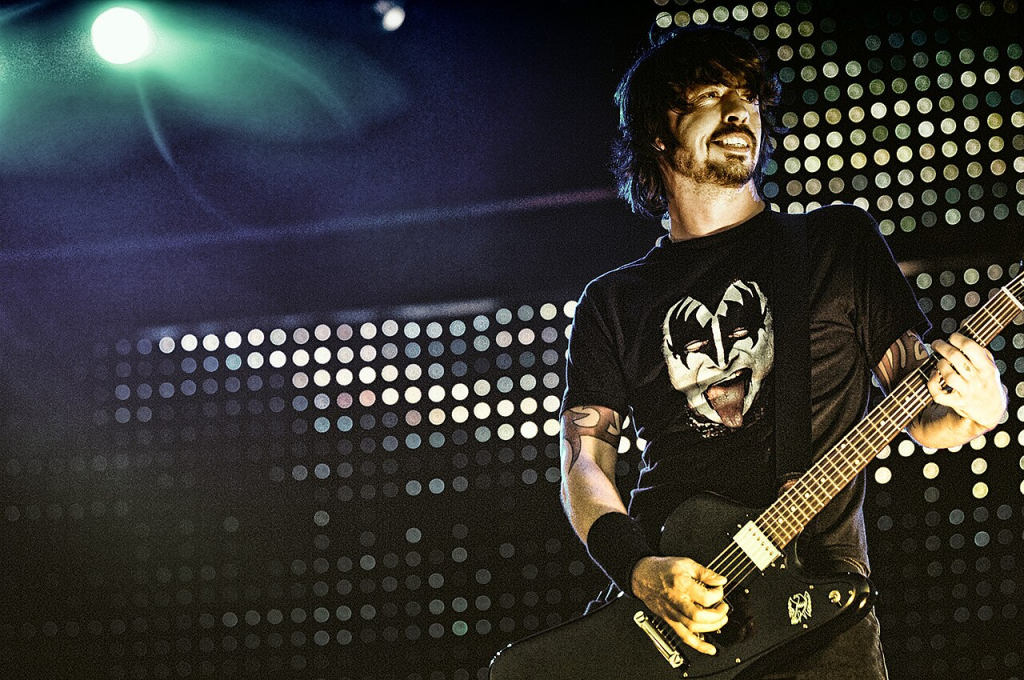
The Nirvana drummer turned Foo Fighters frontman watched his wholesome image implode when an Instagram confession about fathering a child outside his marriage went viral.
Dave Grohl, a rock fixture since joining Nirvana in 1990, hit a different kind of headlines in August 2024. The Foo Fighters frontman, long celebrated for his marriage to Jordyn Blum since 2003, dropped an Instagram bombshell: he’d fathered a child outside his long-term relationship. This wasn’t some quiet whisper in the shadows; it landed like a wrecking ball on rock’s most wholesome image. Anyone expecting scandal from Grohl had better odds of finding Keith Richards at a juice cleanse.
The fallout was immediate. Foo Fighters tour dates vanished, and Grohl stepped out of the spotlight, issuing a public statement seeking forgiveness from his wife and children. Media scrutiny descended like vultures at a festival dumpster, picking apart every detail of the saga. Yet, against the odds, by 2026, the band was back on the road, and Grohl and Blum remained married, proving some legacies are tougher than a two-dollar steak.
15. Live (band) / Ed Kowalczyk
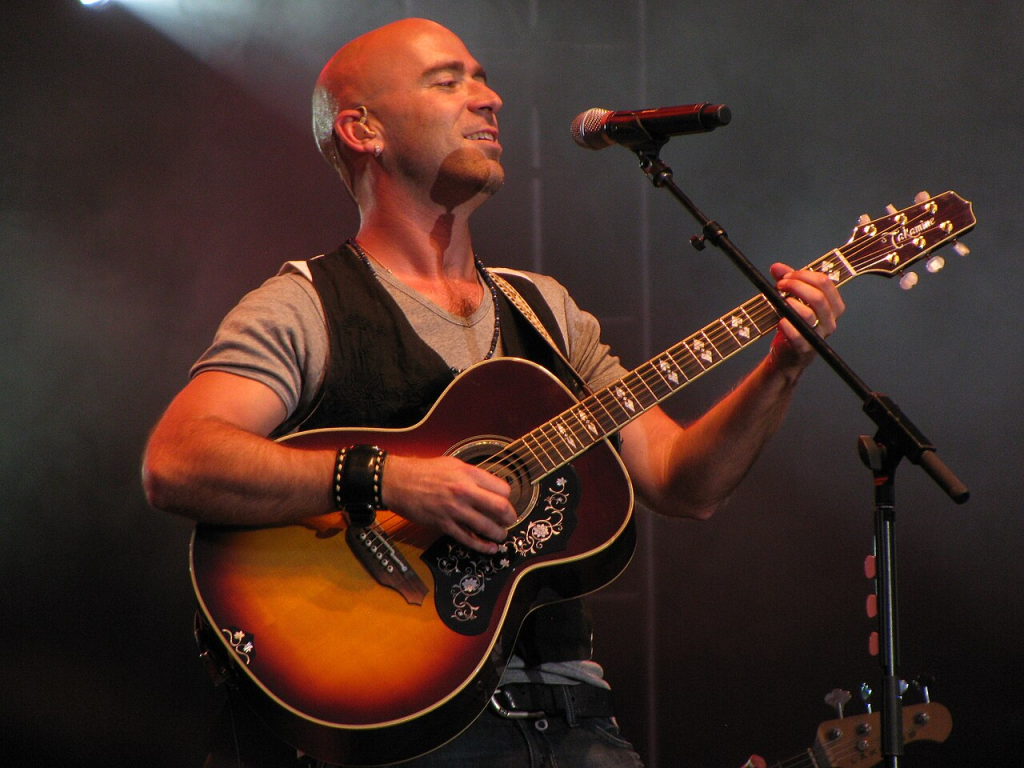
The band’s frontman emailed a breakup notice, then launched a solo career that crashed harder than a mosh pit stage dive, before seizing control of the Live brand and firing his original bandmates.
Live’s 1994 album Throwing Copper moved around 8 million copies, cementing their place in the ’90s rock pantheon. But behind the multi-platinum success and festival main stages, frontman Ed Kowalczyk started positioning himself as the sole star. His solo career, launched after emailing the band a breakup notice in 2009, flopped spectacularly; his albums Alive (2010) and The Flood and The Mercy (2013) couldn’t even crack the Billboard 200.
When Live finally reunited in 2016, Kowalczyk negotiated himself a reported 40% revenue share, leaving the other original members to fight over crumbs. The audacity peaked in 2022, when he secured a controlling interest in the Live brand, promptly firing his long-time bandmates to tour with hired guns. It’s a move that feels less like artistic vision and more like a hostile takeover, turning a rock legacy into a corporate buyout that would make a private equity firm blush.
14. David Crosby
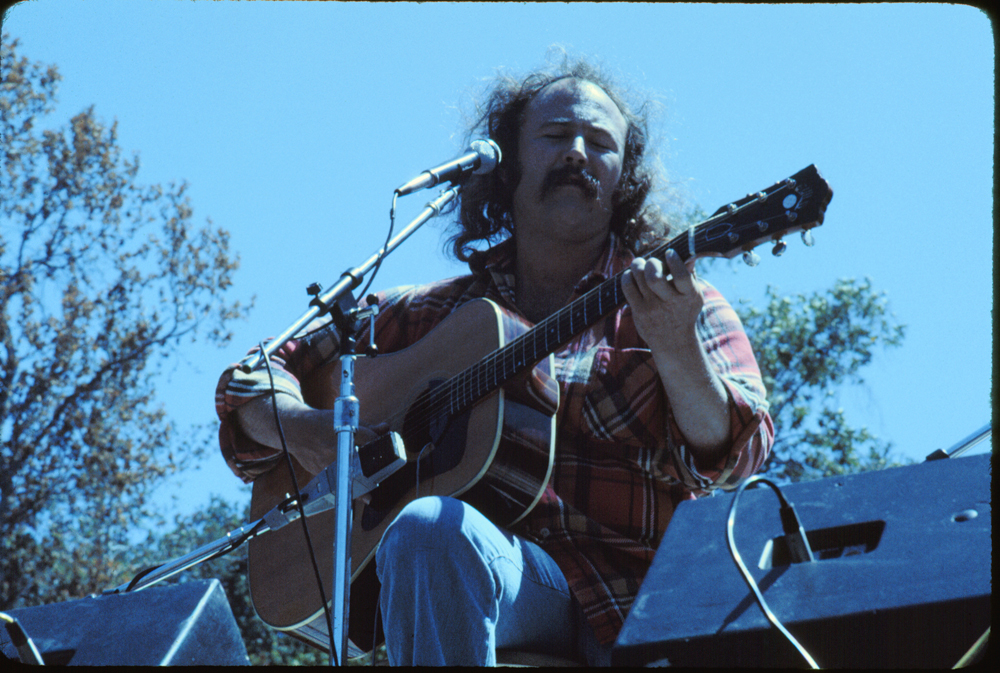
The CSN vocalist’s arrest with cocaine and a loaded gun obliterated his “peace and love” image faster than you can say “Summer of Love.”
David Crosby’s 1982 car crash, where police found cocaine and a loaded gun, instantly obliterated his carefully cultivated image. This wasn’t a quiet rumor; it was a public unraveling, proving vocals don’t always translate to clean living. His subsequent Dallas arrest for similar offenses led to a five-year prison sentence in 1986, though he was paroled after about five months—a harsh reality check far from Woodstock’s muddy fields.
His 1994 liver transplant later ignited a furious public debate about organ allocation fairness, contrasting the idealism his music projected. The controversy over whether celebrity status expedited his transplant hit harder than any guitar solo, raising uncomfortable questions that never quite disappeared. Crosby passed on January 18, 2023, leaving a legacy as tangled and complex as a poorly spliced master tape.
13. Elvis Costello
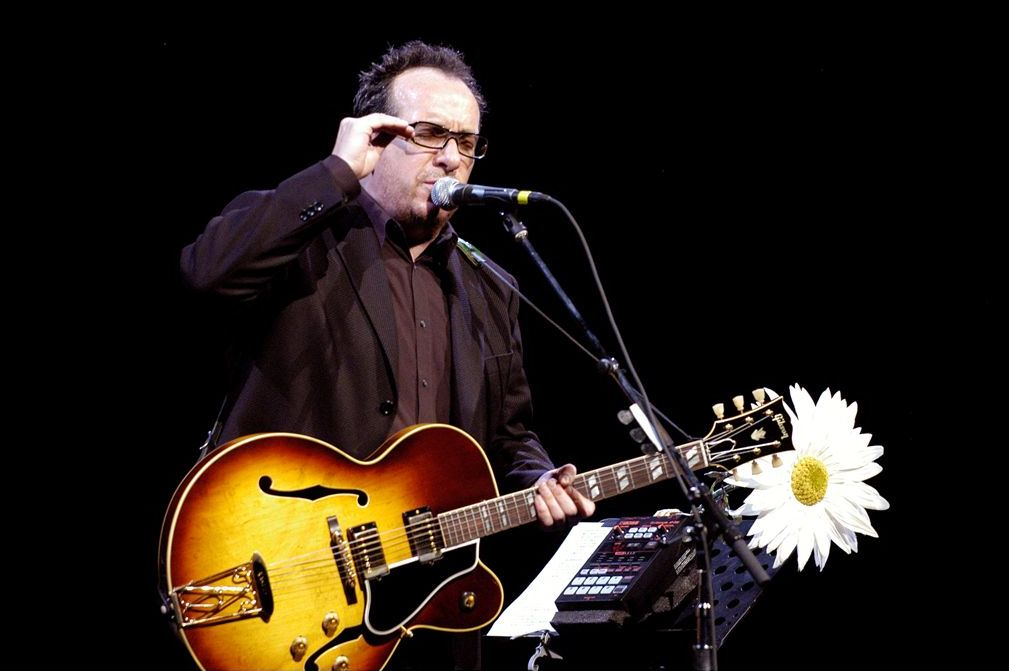
A drunken Columbus bar argument featuring racial slurs against Ray Charles and James Brown became analog-era cancellation before the term existed.
The year 1979 etched a permanent scar onto Elvis Costello’s otherwise sharp public image. During his Armed Forces tour in Columbus, Ohio, a drunken bar argument led him to use a racial slur against music titans Ray Charles and James Brown. Singer Bonnie Bramlett, present at the scene, swiftly brought this ugly truth to public light. This was cancellation before Twitter existed, leaving a mark impossible to scrub clean.
Costello, known for early albums like My Aim Is True and This Year’s Model, held a press conference denying racism, yet offered little genuine contrition. He later claimed his remarks were meant to be provocative, a stance as thin as a single-ply tissue trying to stop a waterfall. This incident, alongside the same slur in his song “Oliver’s Army,” has continuously complicated his public image. As Ray Charles, with his characteristic cool, put it: “Drunken talk isn’t meant to be printed in the paper.”
12. Jimmy Page / Led Zeppelin plagiarism controversies
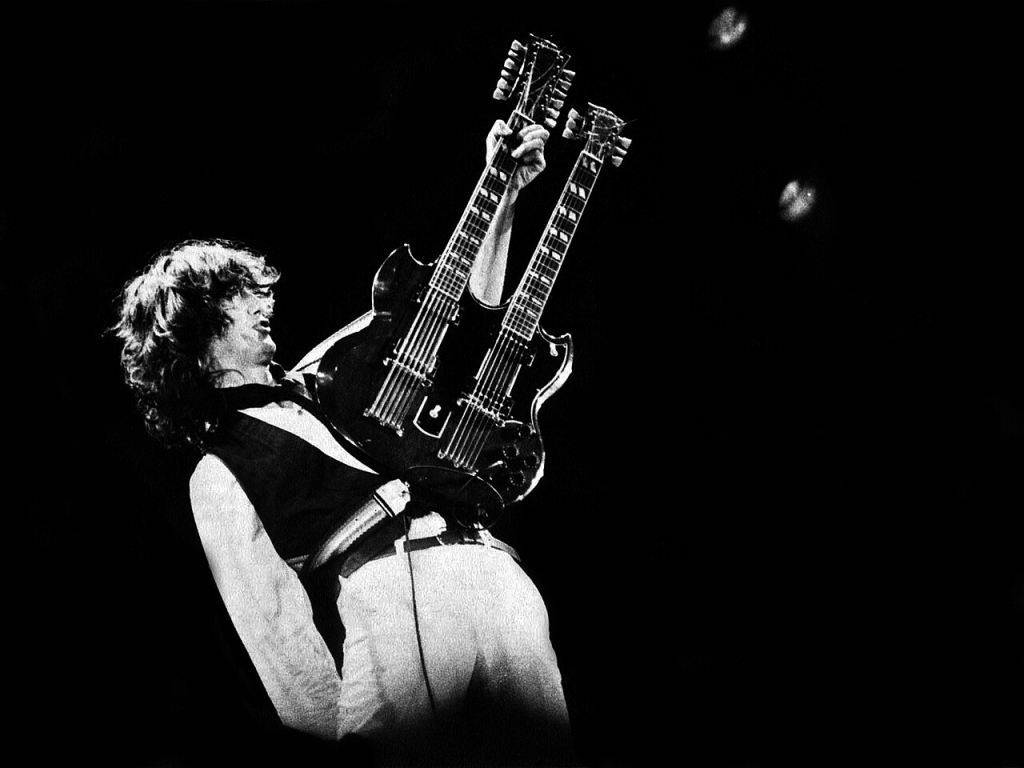
A plaintiff’s lawyer once branded Led Zeppelin “the greatest art thieves of all time,” a label that still clings to Page’s celebrated legacy like stage fog.
His iconic riffs, like those in “Whole Lotta Love,” sparked early controversies. In 1985, blues songwriter Willie Dixon sued, alleging his track “You Need Love” was copied. The case settled, adjusting credits, but the questions about originality lingered like a bad amp hum.
Then consider “Stairway to Heaven,” frequently compared to Spirit’s 1968 instrumental “Taurus.” Zeppelin had toured with Spirit in the late 1960s, suggesting prior exposure. A subsequent copyright suit from 2014 eventually cleared the band by 2020 after multiple appeals. However, like a recurring pop-up ad, the perception of Page’s music being “borrowed” continues to haunt his otherwise monumental contributions. Despite legal vindication, that attorney’s quote about art theft became the sticky note on Page’s Wikipedia page.
11. Steven Tyler / Julia Misley guardianship and abuse allegations
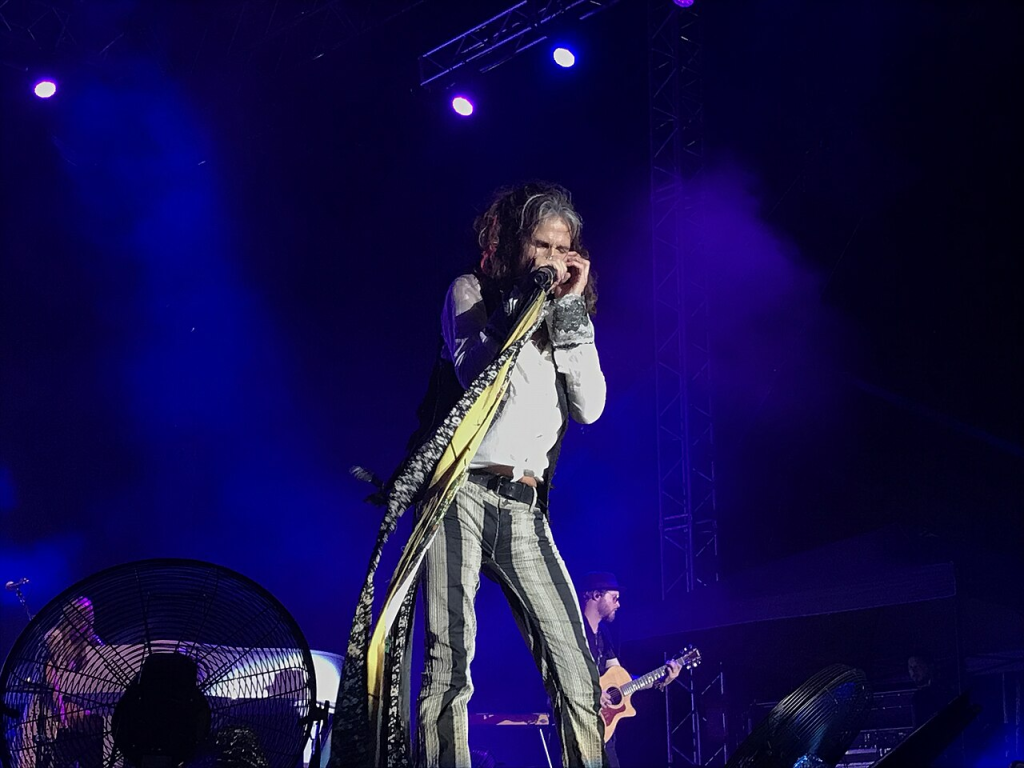
The Aerosmith frontman allegedly obtained legal guardianship over a 16-year-old fan to continue traveling with her, accusations now headed to trial decades later.
A California lawsuit filed in 2022 against Steven Tyler resurfaced a dark chapter, with Julia Misley alleging sexual assault and exploitation began in 1973 when she was 16 and Tyler was 25. The claims paint a picture of coercion, where Tyler allegedly obtained legal guardianship in 1974 to lawfully travel with her. The rockstar life wasn’t all sex, drugs, and rock ‘n’ roll; for some, it was a predator’s playground with a private jet ticket.
Misley’s filing detailed allegations of Tyler supplying her with drugs and alcohol, coercing sexual activity, and pressuring her into terminating a pregnancy. Even decades later, these accusations hit different, making anyone wonder how many times the soundtrack to a generation hid something sinister. While some claims were dismissed in 2024, the case is reportedly moving toward trial in 2026, a legal battle dragging out longer than most bands’ farewell tours.
10. Pete Townshend / Operation Ore
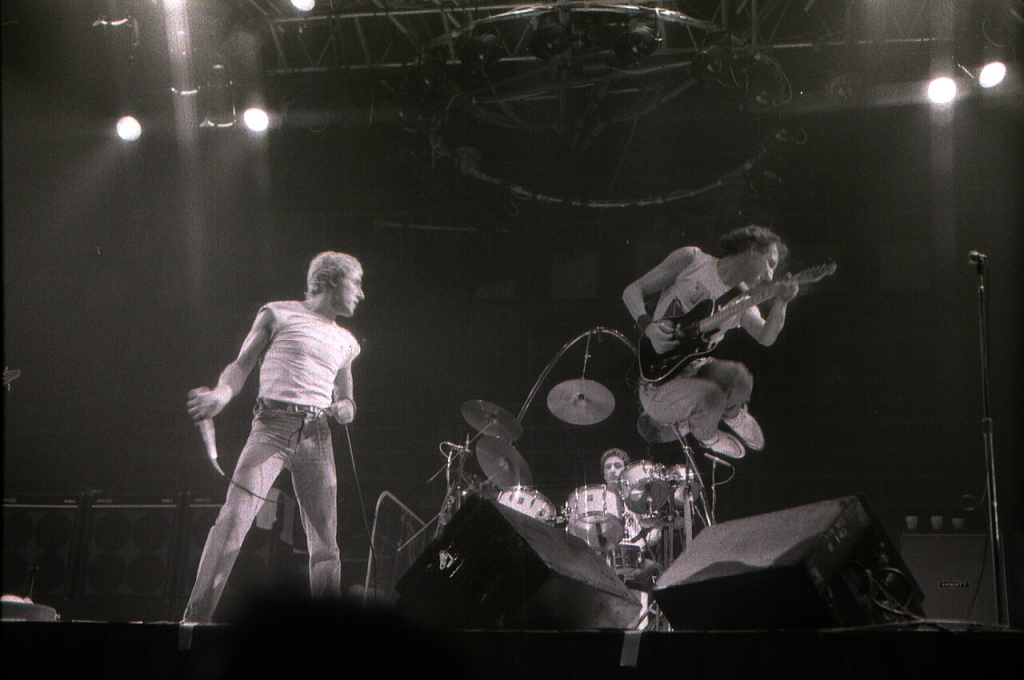
The Who guitarist’s 2003 arrest during a child abuse material crackdown led to a sex offender registry placement, despite authorities finding no illegal images in his possession.
The 2003 Operation Ore sting, an international crackdown on online child abuse material, swept up around 1,600 people in the UK. Among them, The Who’s guitarist, Pete Townshend. He admitted using a credit card in 1999 for an illegal website, claiming it was personal research to unearth repressed childhood memories. This digital dive into trauma was like bringing a butter knife to a gunfight; messy and profoundly misguided.
Authorities cleared Townshend of downloading or possessing illegal images, dropping formal charges. Still, the UK placed him on the sex offender registry for five years. This wasn’t just a bad look; it was a permanent tattoo on his public image. Perception hits harder than any court sentence. His carefully curated rock mythology quickly dissolved into digital quicksand that no amount of windmill guitar moves could escape.
9. Blondie / Frank Infante and Nigel Harrison lawsuits
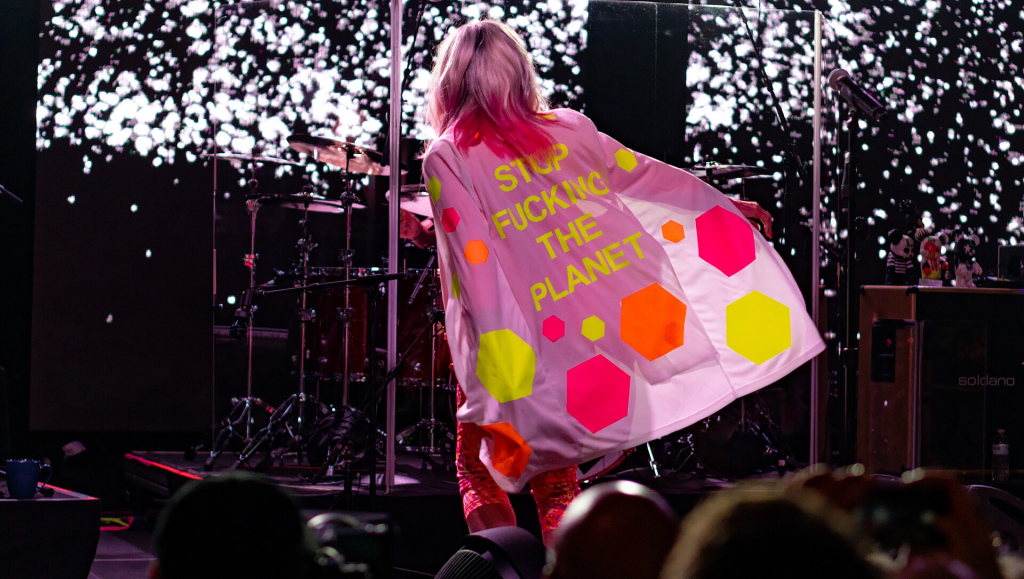
Excluded from the band’s reunion, two original members sued for $1 million, then got publicly roasted by Debbie Harry at their own Hall of Fame induction.
Blondie’s late 1990s reunion, featuring the album No Exit, came with a bitter aftertaste. Excluded original members Frank Infante and Nigel Harrison sued for around $1 million to halt the comeback, citing unfair exclusion. This wasn’t a quiet backstage spat; it was a full-blown legal brawl. The courts dismissed their case, but the bad blood, much like glitter, would stick around.
The lingering animosity erupted at the 2006 Rock and Roll Hall of Fame induction. Debbie Harry publicly stated there was “no excuse” for their lawsuit, flat-out killing any onstage reunion. Infante then used his acceptance speech to lament being barred from performing. Anyone who’s seen an old band try to recapture magic knows this feeling; it was a masterclass in public shade, turning honor into a reminder of Blondie’s unhealed rifts.
8. Bill Wyman / Rolling Stones underage relationship with Mandy Smith

The Rolling Stones bassist described meeting a 13-year-old fan in his autobiography, later admitting to a relationship that became sexual when she was around 14, before marrying her at 52 when she was still a teenager.
In his autobiography Stone Alone, Bill Wyman described first seeing Mandy Smith at a 1984 British Rock Awards event when she was just 13. The Rolling Stones bassist, then around 50, pursued a relationship that, by Smith’s account, became sexual around her 14th birthday. The entitlement feels like watching someone mistake a tour rider for a dating app.
They married in 1989, divorcing in 1991 before Smith was even 21. The scandal intensified with a bizarre family entanglement: Wyman’s son, Stephen, later married Smith’s mother, creating a twisted family tree only a soap opera could conjure. It deeply marred Wyman’s public image and reportedly contributed to his departure from the Stones in 1993. Some legacies, like questionable reality TV seasons, never get a proper rerun.
7. John Fogerty / Creedence Clearwater Revival and Fantasy Records disputes
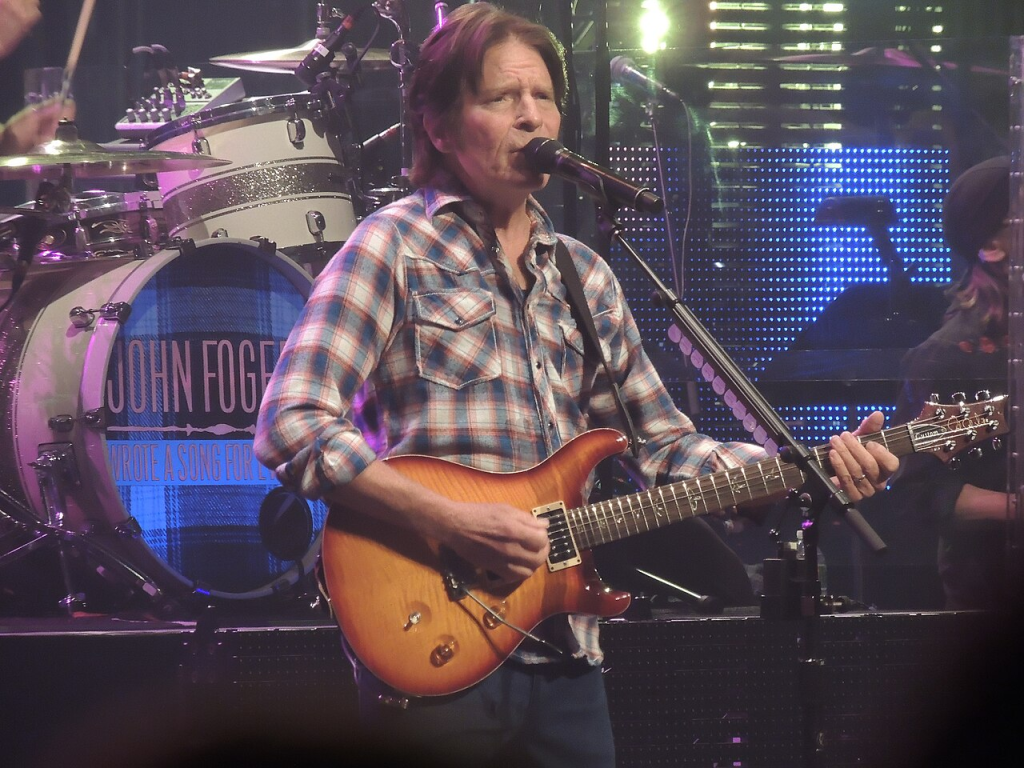
The CCR frontman’s comeback album sparked a legal war with his label, leading to years of refusing to perform his own classic songs and publicly snubbing his bandmates at their Hall of Fame induction.
John Fogerty’s 1985 comeback album Centerfield achieved double platinum status after his post-Creedence Clearwater Revival solo efforts stumbled. Instead of celebration, it ignited a legal war. Fantasy Records head Saul Zaentz sued for defamation over tracks like “Mr. Greed” and “Vanz Kant Danz.” This wasn’t just a record deal dispute. It was a scorched-earth policy.
Years of fights over publishing rights preceded it. That battle felt like trying to untangle barbed wire with your teeth. Fogerty’s refusal to perform CCR songs live for years proved how deep the wounds ran. His snub of surviving bandmates at their Rock and Roll Hall of Fame induction in 1993 was the ultimate mic drop. He cemented a legacy of unforgiving defiance, a statement louder than any guitar riff.
6. Sebastian Bach / Skid Row and Twisted Sister
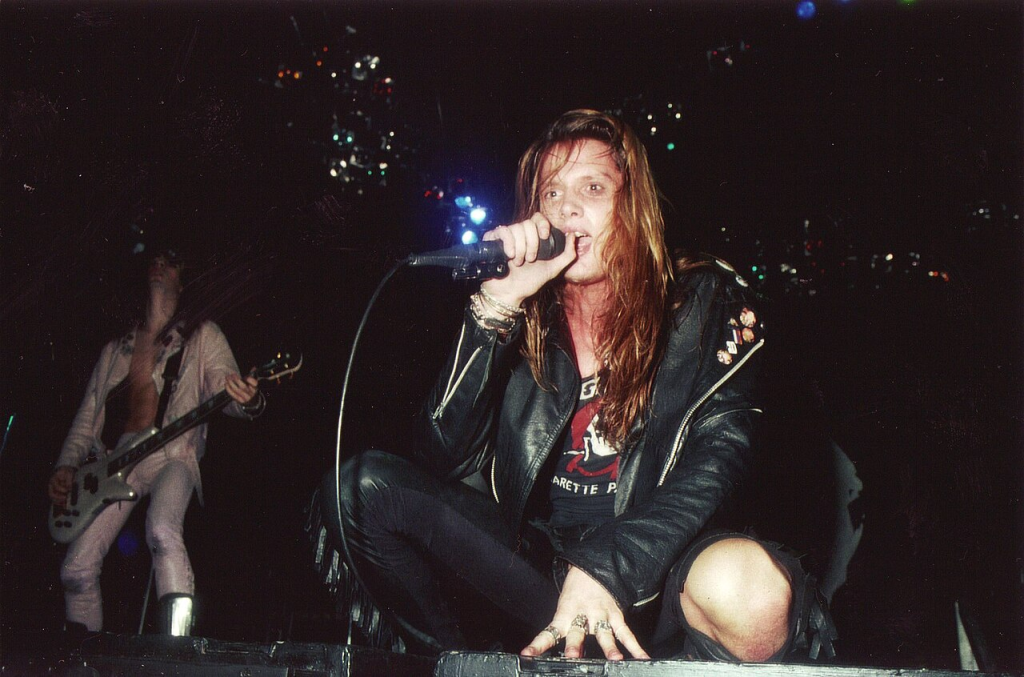
After throwing a bottle that seriously injured a teenage fan and wearing a homophobic T-shirt, the Skid Row frontman’s erratic behavior fueled the band’s implosion and eventual reformation without him.
Skid Row scored two consecutive platinum albums, fueled largely by Sebastian Bach’s operatic range and commanding stage presence. That same ego, however, proved a double-edged sword; in 1989, Bach notoriously threw a glass bottle into a crowd, seriously injuring a 17-year-old fan. The same year, he attracted negative press for sporting a homophobic T-shirt, making it clear his volatility wasn’t just for show.
As grunge began to dominate the airwaves, Bach’s bombastic, hair-metal theatrics felt increasingly out of step with the times. His erratic behavior and outdated style fueled internal tensions, leading to Skid Row’s 1996 disbandment. His former bandmates later reformed with new vocalist Johnny Solinger, publicly refusing any future collaborations with Bach, which tells you everything you need to know about the bridge-burning. Reports in 2026 suggested Bach might join Twisted Sister, though no major confirmation has materialized—proving some rumors are smokier than others.
5. Morrissey / political controversies
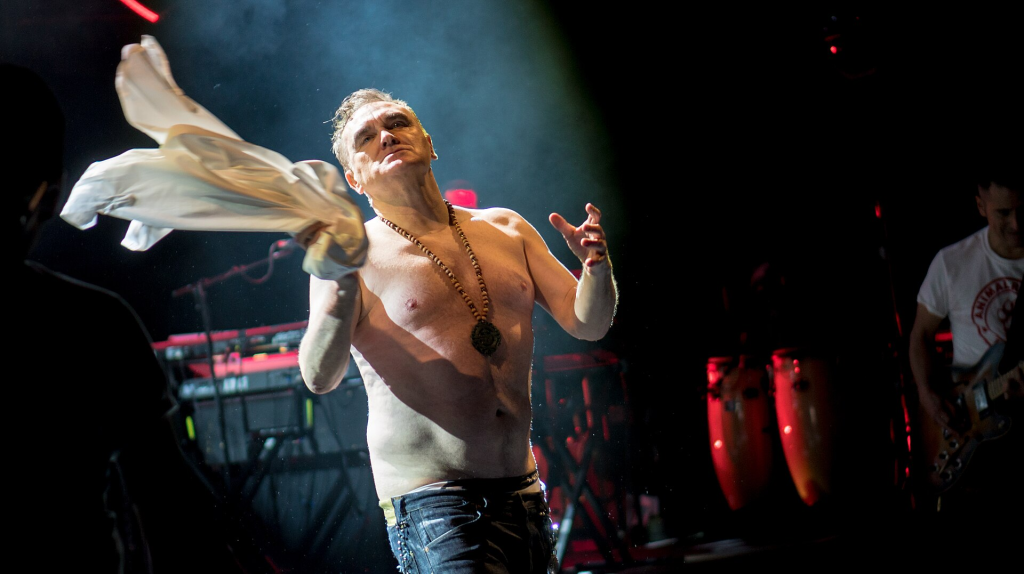
The Smiths frontman’s evolution from indie icon to far-right supporter included calling Chinese people a “subspecies” and defending Harvey Weinstein.
Biographer Johnny Rogan once reported a teenage Morrissey wrote, “I don’t hate Pakistanis, but I dislike them immensely,” an early hint of his future public persona. His post-Smiths career, initially celebrated, devolved into a performance art of self-sabotage. The 2007 Guardian interview where he referred to Chinese people as a “subspecies” wasn’t just a misstep; it was like watching a once-beloved indie film character abruptly morph into a comments section troll.
His public endorsement of the far-right UK group For Britain, known for anti-immigrant stances, solidified many fans’ disillusionment. This, combined with defending convicted sex offender Harvey Weinstein and provocatively waving the Union Jack flag in the 1990s, turned his poetic alienation into something far uglier. The entire artistic output, once pristine, became a record skipped so many times the needle scraped the groove, rendering it unplayable.
4. Billy Corgan / Smashing Pumpkins and anti-trans incidents
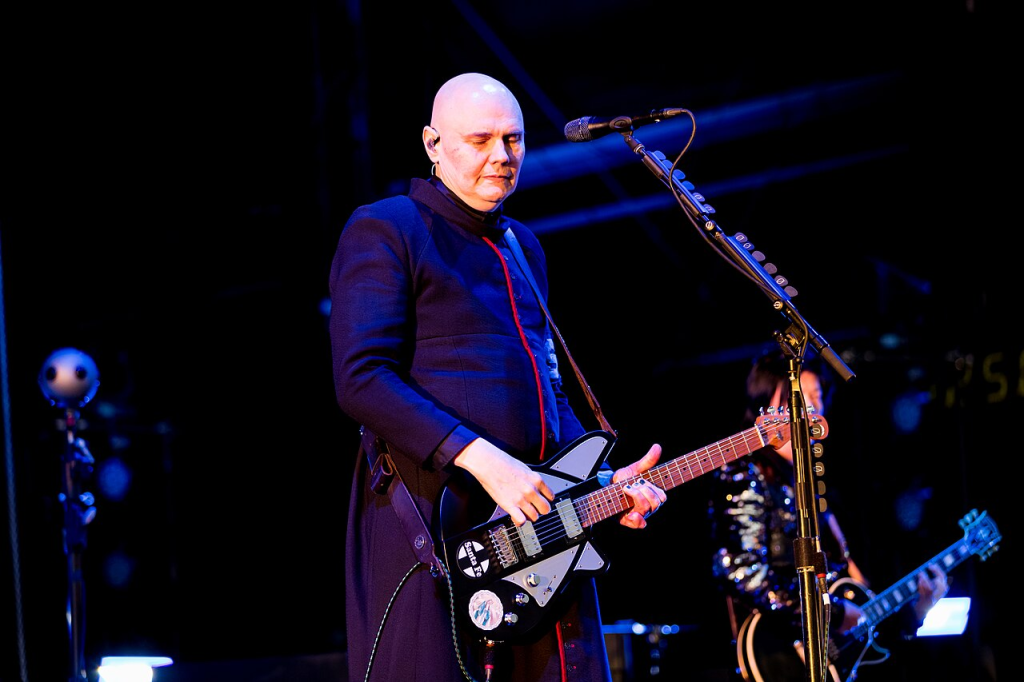
The band’s founder used his LiveJournal to threaten a transgender woman, then later unleashed anti-trans slurs during a public dispute with a guitar pedal builder.
One constant has defined the Smashing Pumpkins’ erratic trajectory: Billy Corgan. His legendary controlling style didn’t just alienate bandmates, contributing to their 2000 breakup; it led to deeply problematic public behavior. In 2005, Corgan’s LiveJournal became a digital battlefield. There, he directed violent language and threats at a transgender woman he had been with, after she spoke about their time together. It was a stark display of rage that revealed something uglier than a bad Pitchfork review.
Around 2011, his reputation took another hit during a public dispute with guitar pedal builder Debbie Ever. Accused of an unpaid debt, Corgan reportedly unleashed anti-trans slurs and threats of extreme legal action, promising financial ruin. These widely reported incidents solidified perceptions of Corgan’s hostility toward transgender people. For anyone who thought rock stars only trashed hotel rooms, this was a more permanent kind of destruction, leaving a significant stain, especially in progressive music communities.
3. Liz Phair / 2003 pop crossover backlash

Pitchfork’s brutal 0.0 review captured the profound backlash when the Exile in Guyville indie icon pivoted to mainstream pop produced by Avril Lavigne’s team.
Pitchfork critic Matt LeMay infamously rated Liz Phair’s 2003 self-titled album a 0.0/10, declaring it “could have just as easily been made by anybody else.” This wasn’t just a bad review; it was a public execution, encapsulating the profound backlash from fans and critics after her pivot from indie rock icon to mainstream pop. Her 1993 debut, Exile in Guyville, had established her as a landmark artist, delivering raw, sexually frank lyrics that cut through the noise.
The collaboration with mainstream producers typically found polishing Avril Lavigne tracks felt like watching your favorite dive bar get renovated into a Chili’s. Her 2003 album yielded her only Top 40 hit, “Why Can’t I?,” which sounded like it shared DNA with the Britney Spears era. This stylistic shift, chasing radio airwaves instead of challenging them, was widely seen as “selling out.” It severely damaged her credibility among the indie tastemakers who had championed her distinctive voice, proving that sometimes, trying to please everyone means pleasing no one.
2. Phil Anselmo / Pantera and white power incident

The Pantera frontman’s 2016 Nazi salute and “white power” shout at a tribute concert for murdered guitarist Dimebag Darrell led to festival cancellations years later.
In January 2016, at a Dimebash tribute concert for the late Pantera guitarist Dimebag Darrell, Phil Anselmo concluded a performance with a Nazi salute and a shout of “white power.” This wasn’t some whispered backstage rumor; the incident was filmed and circulated online, spreading faster than a bad tweet. Anselmo’s subsequent apology, claiming it was a clumsy joke about white wine, landed with the hollow thud of a comedian bombing on open mic night.
The repercussions hit hard and lingered, acting like a digital scarlet letter that refused to fade. Festivals in countries from New Zealand to Germany canceled Pantera and Anselmo-associated shows, some as late as 2023, citing the 2016 incident. This isn’t just a few canceled gigs; it’s a career-altering ripple effect, proving that a cheap stunt can cost decades of goodwill. Few rock stars manage to leave such a persistently toxic residue on their legacy.
1. Ted Nugent
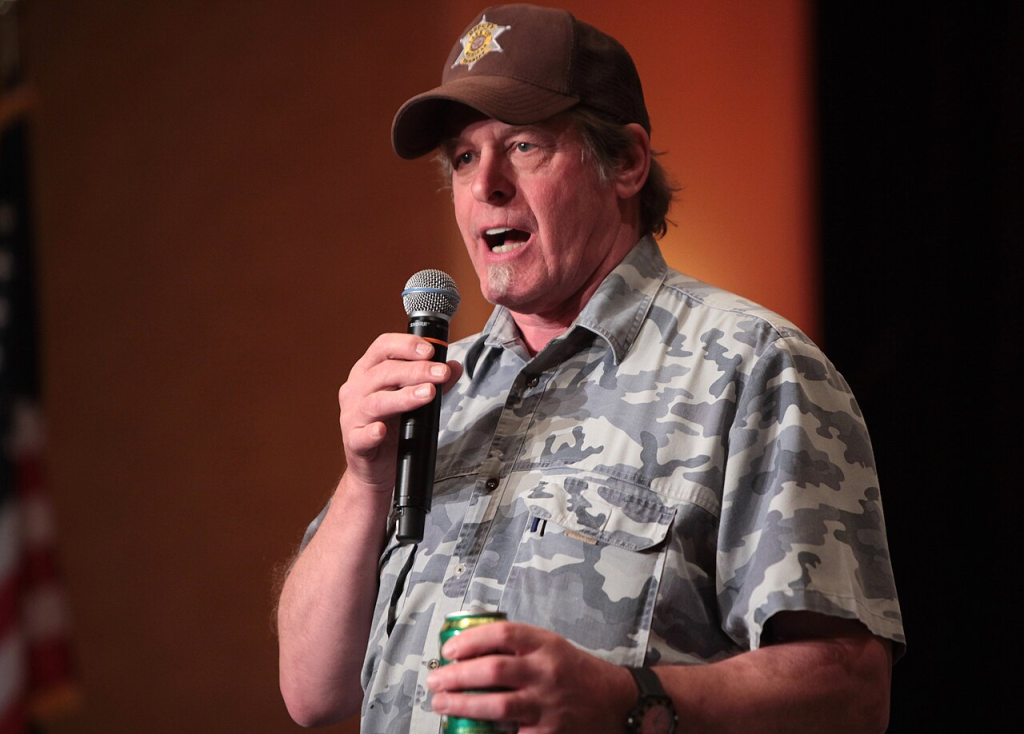
The Cat Scratch Fever guitarist traded his six-string for a conservative pulpit, making inflammatory political statements that drew hate speech rebukes and cost him mainstream platforms.
The 1970s celebrated Ted Nugent as a hard rock guitar god, known for aggressive solos and hits like Cat Scratch Fever. After his time with The Amboy Dukes and later joining the supergroup Damn Yankees in the late 1980s, his legacy shifted. Nugent traded his six-string for a conservative pulpit, advocating for gun rights and hunting with unshakeable conviction.
His radio show and social media platforms became stages for inflammatory political statements. Remarks about President Barack Obama were widely condemned as racist; other postings described as anti-Semitic. These actions drew formal rebukes from organizations tracking hate speech. Mainstream media platforms dropped him faster than a forgotten one-hit wonder, damaging his public image outside his core fan base. The loudest voices are often the ones nobody wants on repeat.