



Concept albums arrive with the weight of an MFA thesis and the execution of a bad Tinder date. The narrative crumbles, leaving nothing but a flimsy premise that sounds great in a press release but falls apart on repeat listens. Real concept albums make every track essential to the story, earning their lore with cohesive design. This list cuts through the noise to spotlight records that either deliver genuine thematic depth or crash and burn like New Coke, separating masterpieces from marketing stunts.
5. Confessions of a Dangerous Mind by Logic
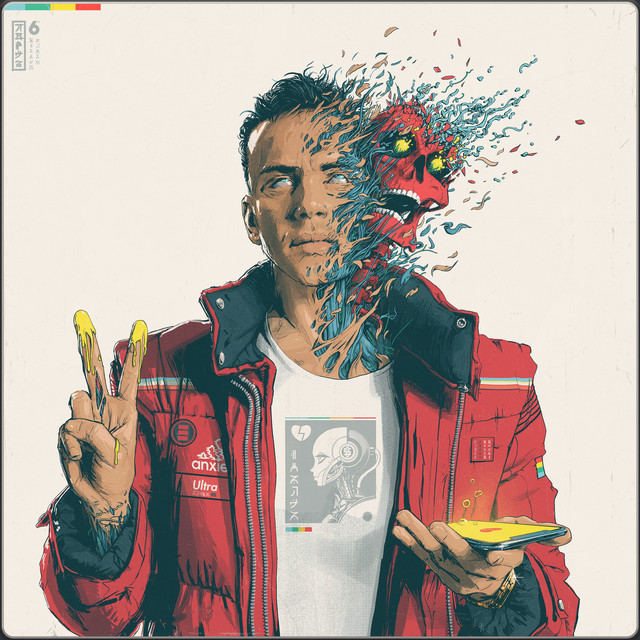
Critics savaged Logic’s attempt to blend social commentary with mainstream appeal.
Logic’s 2019 album, Confessions of a Dangerous Mind, arrived on May 10, 2019, touted as addressing social media, fame, and mental health. This claim felt flimsier than a TikTok dance trend against the album’s mainstream trap sound. Tracks sounded engineered for streaming charts. Guest spots from Eminem and Will Smith often felt more like commercial plays than artistic collaborations.
Critics noted a stark contrast to earlier, cohesive concept records like Under Pressure. Listeners expecting a deep dive found beats designed by algorithm. The album highlighted tension between artistic intent and commercial ambition, sacrificing depth for chart appeal.
4. Scaled and Icy by Twenty One Pilots
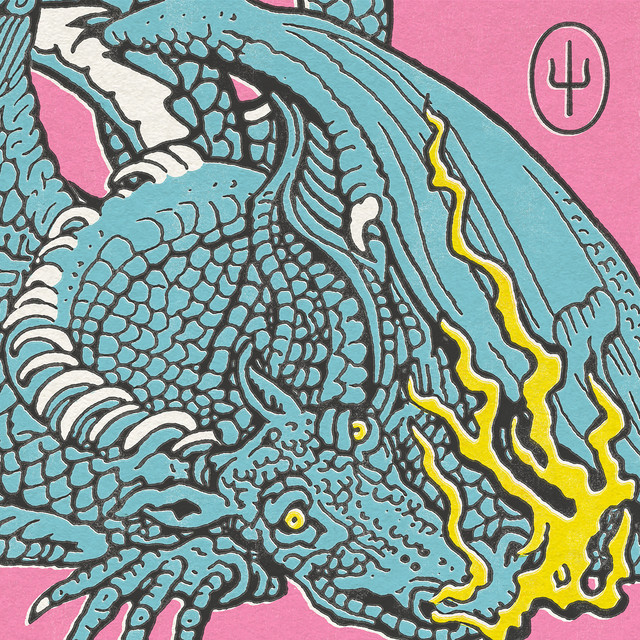
The anagram title couldn’t save this tonal whiplash from itself.
On May 21, 2021, Twenty One Pilots dropped Scaled and Icy, a record that polarized its fanbase immediately. The bright, upbeat retro-pop sound felt jarring against the band’s darker, more introspective history. The album’s title, an anagram for “Clancy is dead,” cleverly continued their intricate lore, framing the band as controlled and forced to perform songs about isolation.
The music itself often sounded like bland self-parody. Reconciling the heavy narrative of control with the “holly and jolly” sonic palette was like watching a serious drama scored by a cartoon jingle. Despite debuting at No. 3 on the US Billboard 200, Scaled and Icy missed its mark, commercial success unable to mask perceived failure in delivering on its conceptual promise.
3. Goblin by Tyler, The Creator
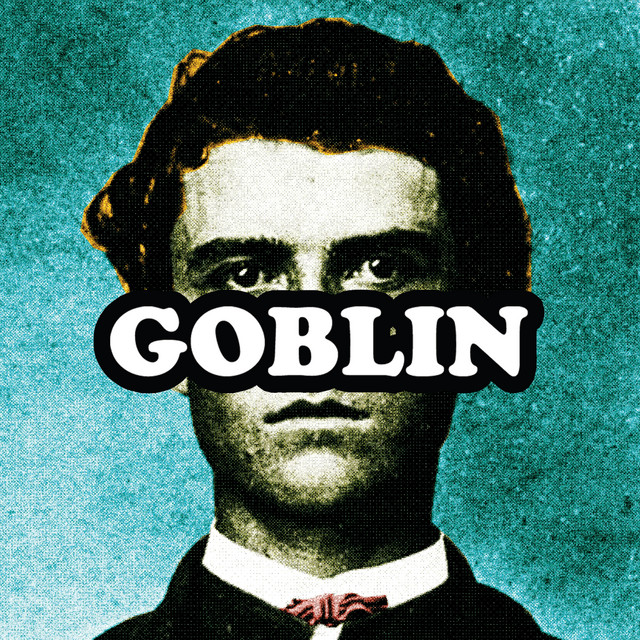
The therapy session gimmick landed like a B-movie plot twist.
Tyler, The Creator’s debut studio album, Goblin, released on May 10, 2011, framed its dark, horror-core production and provocative lyrics as therapy sessions with a fictional Dr. TC. These dialogues defined Tyler’s early Odd Future persona. When the “reveal” dropped that Dr. TC was merely an alter ego, it landed predictably rather than profoundly.
While Goblin offers unsettling soundscapes and raw aggression, the album’s central conceit feels flimsy under scrutiny. Unlike the intricate narratives of Kendrick Lamar’s good kid, m.A.A.d city, Goblin‘s conceptual ambition doesn’t always stick. The therapy session gimmick feels like a stylistic choice, an aesthetic without the narrative muscle to truly back it up.
2. Rap Song Tutorial by Injury Reserve
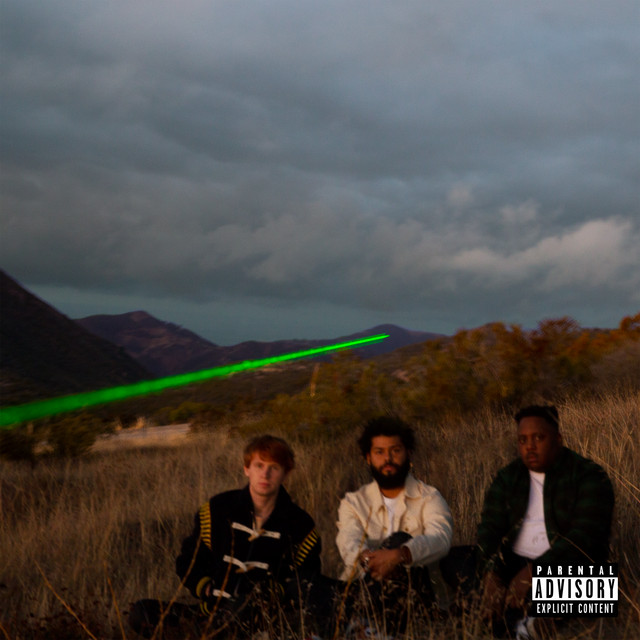
This meta-commentary overstayed its welcome like a forgotten party guest.
The 2019 album Injury Reserve delivered “Rap Song Tutorial,” an audio instruction manual for making a rap hit. The track features sound effects like keyboard typing and DAW clicks, guiding listeners to choose drum samples and add ad-libs. Sharp meta-commentary pokes fun at the industry’s assembly-line approach to bangers. The initial listen feels like a clever, self-aware TikTok short.
This comedic routine quickly loses shine, transforming from ingenious satire to an unavoidable skip button magnet. Listeners found themselves questioning if such self-aware humor ultimately disrupts the album’s otherwise compelling flow. Sometimes, even the smartest concept just becomes homework.
1. For Your Eyez Only by J. Cole
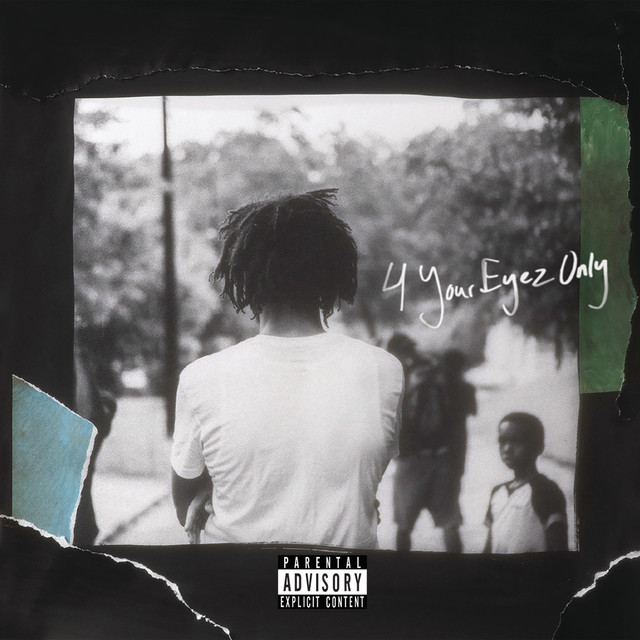
A grab-bag of well-produced but thematically isolated moments.
Released on December 9, 2016, J. Cole’s 4 Your Eyez Only was pitched as a concept album loosely chronicling a friend’s turbulent life and death, culminating in the title track’s message to his friend’s daughter. Despite this poignant framework and themes of poverty and mass incarceration, listeners expecting a tightly woven narrative often found themselves adrift.
Tracks like “Deja Vu,” “Neighbors,” and “Folding Clothes” arrive like unexpected guests at a solemn wake, each pursuing its own distinct conceptual tangent. The fragmented approach begs the question: if an artist isn’t committed to maintaining a concept across all 10 tracks, why not simply let individual songs stand on their own merits? This lack of narrative discipline leaves listeners wondering about the actual intention.