




Some albums don’t just miss the mark; they create craters. While most bands aim for a home run, others swing for the fences and end up whiffing so hard they strike out the entire team. These records tested the very limits of fan loyalty, fractured bands, and stalled careers when released with immense expectation. We’ve dug through the discographies to find ten monumental efforts that confused critics and audiences alike.
10. Aerosmith – Rock in a Hard Place
A deflated balloon missing its core magic.
Released in 1982, Aerosmith‘s Rock in a Hard Place landed without original guitarists Joe Perry and Brad Whitford, who had bailed amid the band’s notorious drug-fueled chaos. Steven Tyler soldiered on with Jimmy Crespo and Rick Dufay on guitar, trying to channel the band’s signature swagger into something that felt more like a messy garage jam than arena rock.
Despite scraping into the Billboard 200 at number 37, the album was widely panned for its lack of cohesion. The single “Lightning Strikes” managed a flicker of chart life, but the album’s forgettable, disjointed hard rock was a far cry from Aerosmith’s usual flamboyant excess.
9. Yes – Union
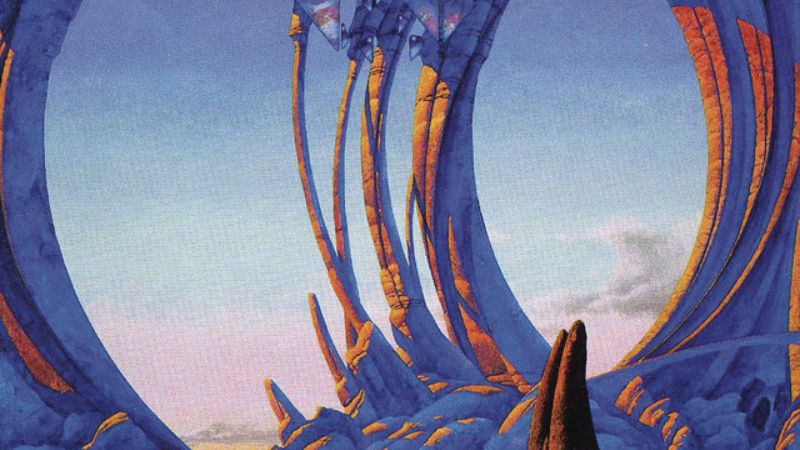
A forced marriage of exes who only talk through lawyers.
Released in October 1991, Union was supposed to unify two distinct lineups of Yes, but it ended up feeling like a diplomatic nightmare. Conceived during legal squabbles and pieced together in isolated sessions, it featured members from both the classic era and the 90125 crew. It managed to hit No. 15 in the UK and No. 36 on the US Billboard 200.
Musicians often worked on tracks without knowing who else was involved, resulting in a sound that felt stitched together rather than born from genuine collaboration. This album is a masterclass in how assembling legendary players doesn’t guarantee magic when the collective spirit and artistic direction are nowhere to be found.
8. The Rolling Stones – Dirty Work
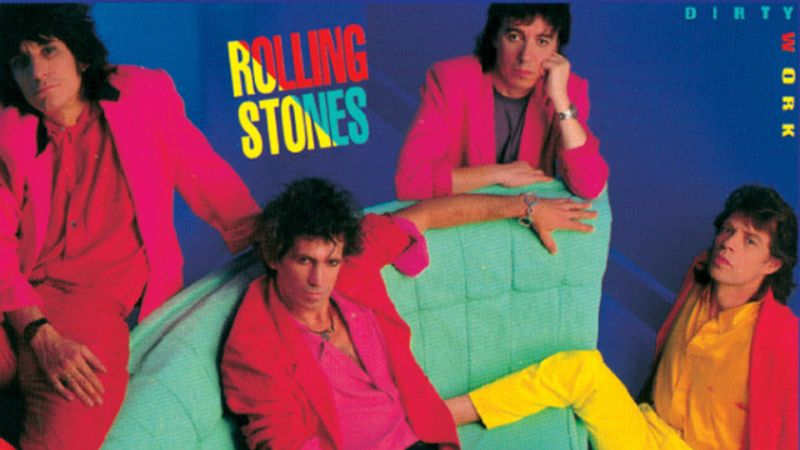
A tense family reunion where everyone’s smiling for the camera.
Released in March 1986, ‘Dirty Work‘ charted at No. 4 in the US and No. 2 in the UK, a commercial success that belied deep internal friction. Recorded during a significant feud between Mick Jagger and Keith Richards, with Charlie Watts largely absent from the sessions, the album’s sound became a casualty of band animosity.
While it featured punchy riffs, the overall effect was joyless and disjointed, heavily colored by 80s production that stripped away much of the band’s raw energy. The single “Harlem Shuffle” managed to reach No. 5 in the US, a rare bright spot in an otherwise clenched, anonymous effort.
7. Guns N’ Roses – Chinese Democracy
Perfectionism becoming the enemy of authentic rock spirit.
After a staggering 15 years in development and an estimated cost exceeding $13 million, Guns N’ Roses finally released ‘Chinese Democracy‘ in November 2008. With Axl Rose as the sole original member and a revolving door of producers and guest musicians, the album debuted at No. 3 on the US Billboard 200 and sold over 3 million copies worldwide.
The meticulously polished hard rock sound was widely criticized for lacking the raw energy and urgency of the band’s earlier work. Instead of sounding dangerous and street-level, ‘Chinese Democracy’ felt disconnected and distant, a product of isolation rather than rebellion.
6. Bob Dylan – Self Portrait

A cryptic dare that left fans feeling adrift.
Released in June 1970, Bob Dylan’s double album Self Portrait debuted at No. 4 on the US Billboard 200, a chart position usually reserved for artists firing on all cylinders. Yet this collection felt less like a triumphant statement and more like artistic antagonism. Critics, including Rolling Stone, roasted it for a perceived carelessness, a stark departure from the intensity of Highway 61 Revisited.
The album mixed Dylan originals with covers like “Blue Moon,” all while presenting the artist’s own paintings on its cover. While Self Portrait found some redemption decades later in its 2013 Bootleg Series release, its initial impact was pure confusion, turning loyal followers into bewildered spectators.
5. Van Halen – Van Halen III
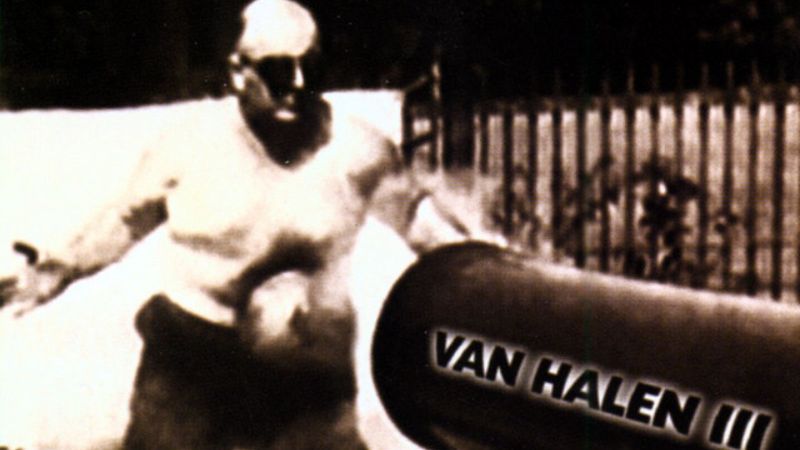
A supercar trying to navigate rush hour traffic.
March 1998 saw the release of Van Halen’s ‘Van Halen III,’ featuring new vocalist Gary Cherone and produced by Eddie Van Halen. The album peaked at No. 4 on the US Billboard 200 and was certified gold, yet it marked a confusing chapter for the band. Its experimental moods and extended song lengths were criticized for lacking the characteristic Van Halen blend of fun and speed.
Songs like “Without You” and “Fire in the Hole” underperformed commercially, a far cry from the band’s history of unshakeable confidence. Where Van Halen once embodied pure joy and velocity, ‘Van Halen III’ felt heavy and uncertain.
4. The Clash – Cut the Crap
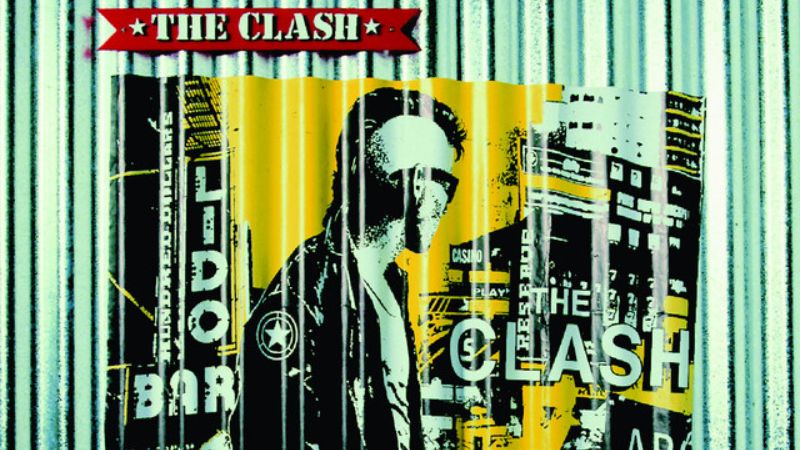
A ghost haunting its own legacy.
Released in November 1985, ‘Cut the Crap’ represents The Clash’s final album, a notorious punctuation mark on a career that once defined punk rock immediacy. The record’s sound, characterized by drum machines, synthetic gloss, and vocals buried so deep they felt like muffled cries for help, was widely panned.
The album’s chart performance reflected its lukewarm reception, peaking at No. 16 in the UK and a mere No. 49 on the US Billboard 200. Joe Strummer himself later disowned the record, a harsh reminder that even the most dedicated rebellion can falter without genuine belief.
3. Kiss – Music from “The Elder”
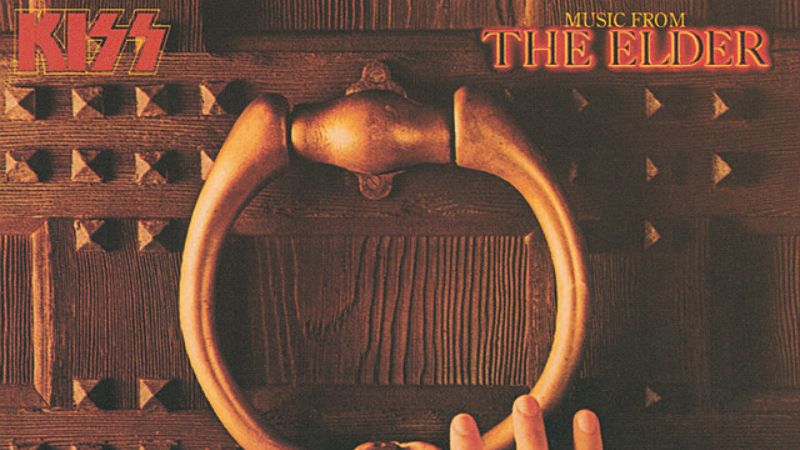
A spectacular crash into a wall of self-importance.
Released in November 1981, Kiss released Music from “The Elder“, a concept album based on an unproduced comic book narrative that reached No. 22 on the US Billboard 200. This progressive, cinematic departure traded their signature makeup rock for subtle artistic gravitas, a move that landed with a thud.
Critics savaged the album for its lack of hooks and humor, alienating a fanbase eager for straightforward anthems. The singles “The Oath” and “I” vanished without a trace, proving that chasing respectability without understanding your own appeal is a fool’s errand.
2. Metallica – St. Anger
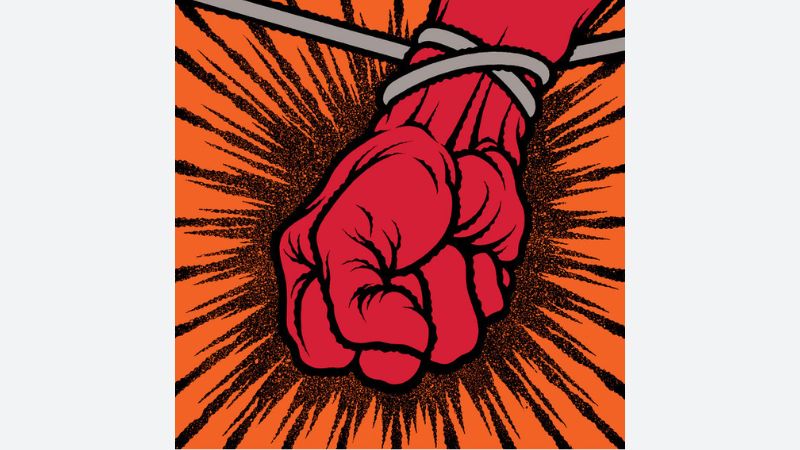
The sound of control being completely abandoned.
Released in June 2003, Metallica’s ‘St. Anger‘ dropped like a bag of bricks on a drum kit made of discarded tin cans, a sonic byproduct of producer Bob Rock’s infamous decision to use a trash-can snare. This album, a raw document of the band grappling with bassist Jason Newsted’s departure and subsequent therapy sessions, eschewed guitar solos entirely.
Despite debuting at No. 1 in 14 countries and going 8x platinum in the US, the record was widely lambasted for its undisciplined, abrasive thrash sound. While some appreciate its sheer transparency, this particular brand of raw confession felt less like art and more like a public breakdown set to a furious, unpolished beat.
1. Lou Reed – Metal Machine Music
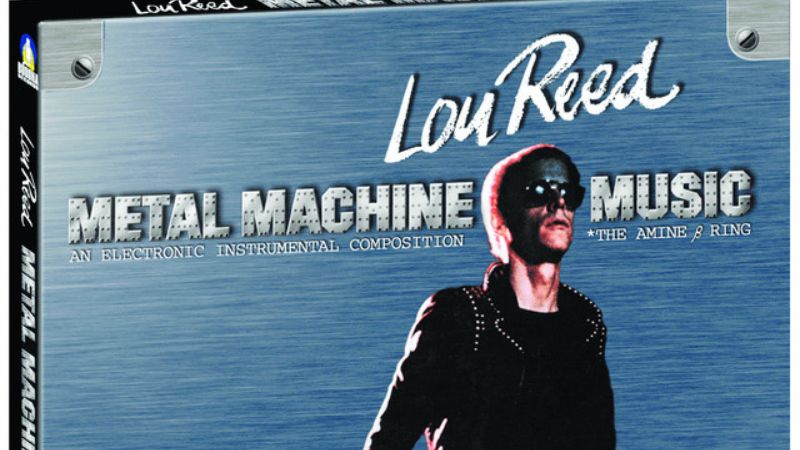
Showing up to a black-tie gala in a trash bag.
Released in August 1975, Lou Reed’s Metal Machine Music presented a double album clocking in at 64 minutes of pure guitar feedback and distortion, ditching melody and song structure entirely. While Reed pitched it as an experiment, most listeners heard it as either a cruel joke on his audience or a way to fulfill contractual obligations.
Thousands of fans returned the records, and critical reviews were spirited. Decades later, some critics have re-evaluated Metal Machine Music as an early influence on noise music, but at the time, it forced a brutal question: how far can an artist push sonic boundaries before they just alienate everyone?