




The 1970s gifted us anthems and sonic explosions, but not every experiment by rock’s titans landed perfectly. Even legends stumbled, producing records that confused their fan base. This deep dive explores a dozen albums where major artists veered off course. You’ll find curious detours, hollow emotions, and sonic landscapes that felt… off. These aren’t train wrecks, but fascinating moments of artistic challenge or adaptation that didn’t quite stick. Prepare to revisit records where expectations and reality diverged, revealing the complex, and sometimes bewildering, evolution of rock’s biggest names.
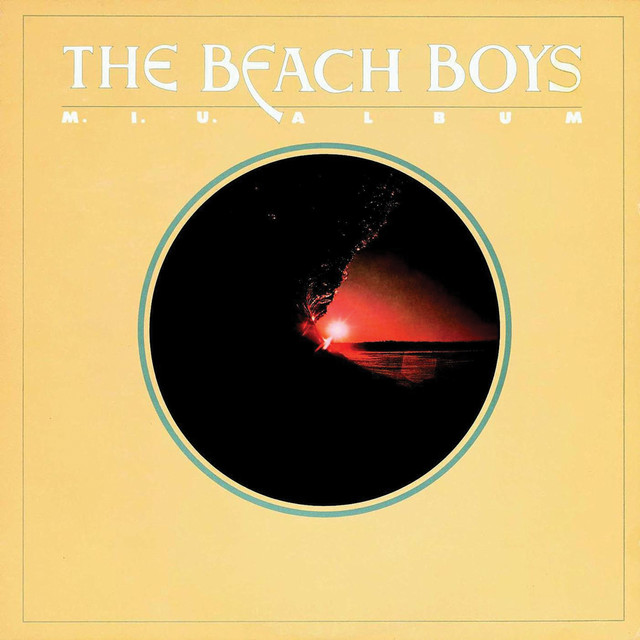
10. Beach Boys – M.I.U. Album (1978)
When surf gods swap waves for transcendental meditation, the results can sound surprisingly hollow.
The Beach Boys’ 1978 album, M.I.U. Album, peaked at #151 on the Billboard 200, a far cry from their earlier chart dominance. Recorded primarily at Maharishi International University in Iowa, the 10-track collection offered a mellow, introspective sound that felt detached from the era’s prevailing punk and hard rock energy. While Brian Wilson contributed, the album’s generally relaxed vibe, exemplified by tracks like “Come and Get It,” felt insulated compared to the ambitious sonic palettes of their Pet Sounds era.
For fans expecting the layered harmonies and emotional depth that defined their classic sound, M.I.U. Album landed like a warm blanket on a chilly night—cozy, perhaps, but not exactly electrifying. This sonic departure felt less like evolution and more like a deliberate retreat into a serene, almost monastic, musical space.
9. Grand Funk Railroad – Born to Die (1976)
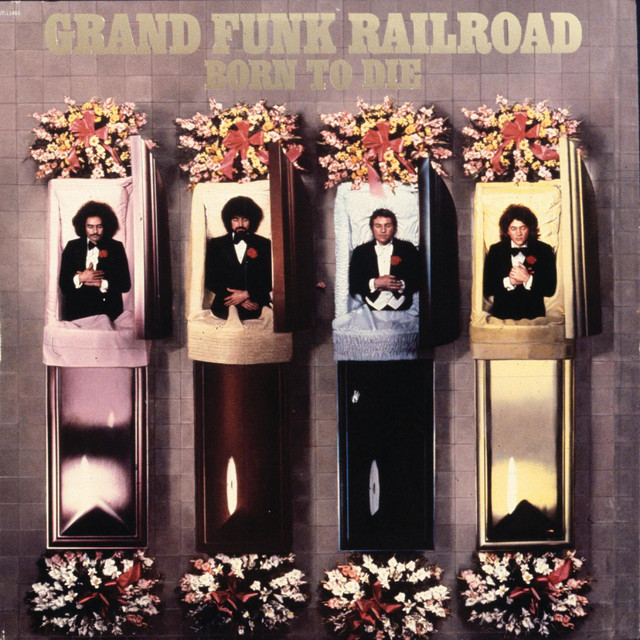
Frank Zappa producing arena rockers sounds like a match made in experimental heaven—or purgatory.
Released in August 1976, Grand Funk Railroad’s Born to Die album landed at #119 on the Billboard 200, a far cry from their arena-rock heyday. Frank Zappa’s production lent a darker, smoother sheen to the band’s sound, a stark contrast to their signature loud riffs. Tracks like the title song and “Sally” signaled an introspective turn, as if the band was wrestling with its own identity in a rock landscape demanding reinvention.
This sonic shift felt like watching a muscle car suddenly trying to navigate city traffic—powerful, yes, but not entirely suited for the new terrain. The band, once kings of bombast, found themselves navigating a more complex, less certain territory, their established swagger tempered by the era’s demand for evolution.
8. Alice Cooper – Lace and Whiskey (1977)
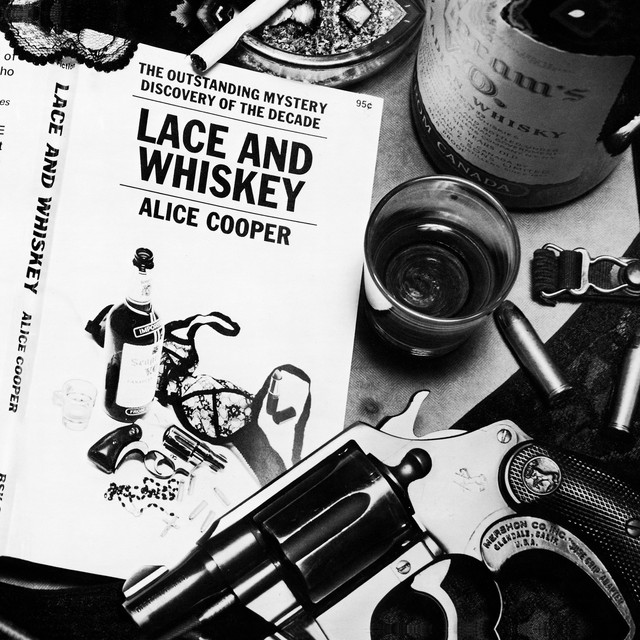
When shock rock trades its leather for sequins, the cabaret can feel more awkward than edgy.
Released in May 1977, Lace and Whiskey peaked at #17 on the Billboard 200 and eventually snagged a gold record, proving Alice Cooper could still move units. This 10-track concept album, digging into a detective noir theme, was an ambitious left turn for an artist who had built a career on razor-edged theatrics. Producers David Foster and Cooper himself aimed for intrigue, but the resulting cabaret-infused sound felt less like a hardened gumshoe and more like a stage magician who’d misplaced his rabbit.
While “I Never Cry” became a genuine hit single and “You and Me” offered a surprisingly palatable pop moment, the album’s overall vibe left many fans scratching their heads. It was as if the maestro of shock rock decided to audition for a Las Vegas residency, sacrificing bite for a smoother, albeit less compelling, cabaret swagger.
7. David Bowie – Pin Ups (1973)
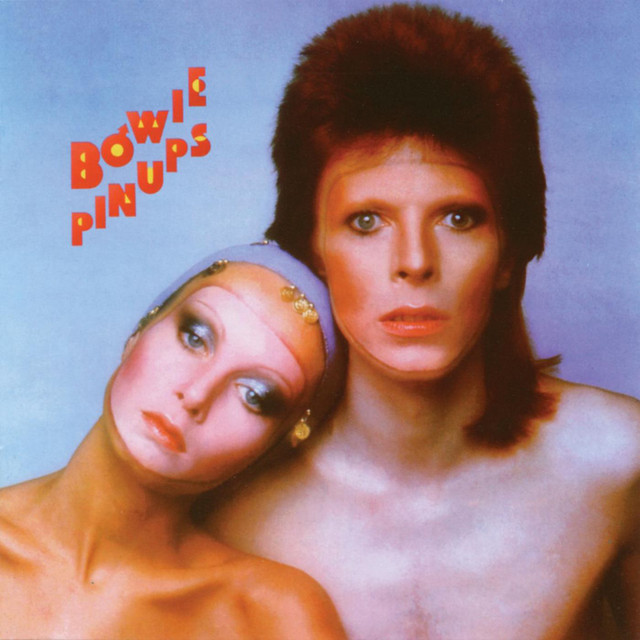
A nostalgic mixtape in the middle of a creative hot streak feels like artistic whiplash.
Released in October 1973, Pin Ups felt less like a new artistic statement and more like a fond look over the shoulder. David Bowie, fresh off the groundbreaking Ziggy Stardust era, decided to reinterpret 1960s British hits that shaped him. Tracks like “Sorrow” became a notable single, hitting #3 in the UK, and “Friday on My Mind” got the royal treatment. Backed by his loyal Spiders from Mars, the album itself climbed to #1 in the UK and snagged #23 on the US Billboard 200.
Still, for fans eager for the next sonic frontier after Ziggy, Pin Ups arrived like a carefully curated mixtape from a bygone era. It’s a polished, affectionate nod to influences, but placed so closely to Bowie’s own artistic explosions, it reads more like a sentimental detour than a bold step forward.
6. Black Sabbath – Never Say Die! (1978)
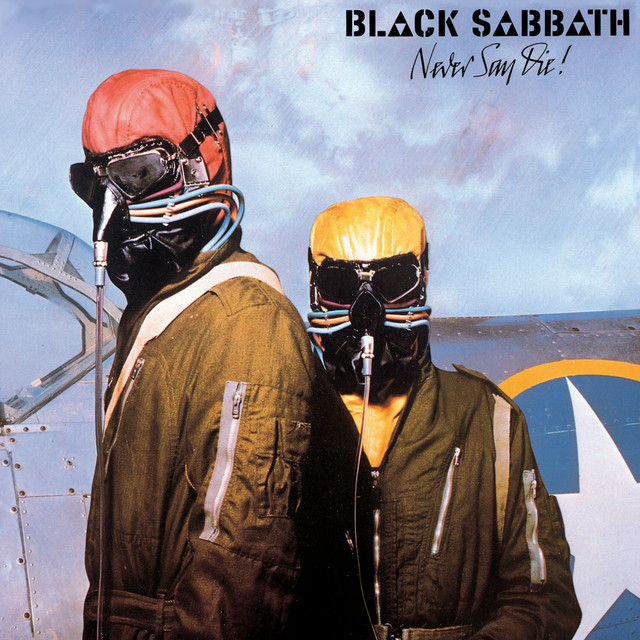
Watching heavy metal pioneers attempt experimental brightness feels like gladiators trying synchronized swimming.
The palpable tension within Black Sabbath is almost audible on Never Say Die!, released September 22, 1978. This album, the last to feature the original lineup including Ozzy Osbourne, presented a band pulling in different directions amidst the rise of punk and new wave. Featuring 8 tracks, including the title track and “Junior’s Eyes,” the album reached #12 in the UK and #69 on the US Billboard 200.
While the heavy riffs remained, a fractured spirit and experimental shifts toward brighter tones created an uncertain identity. This album stands as a fascinating, albeit flawed, document of transition, revealing a band searching for a new path while grappling with its own formidable legacy.
5. The Rolling Stones – Goats Head Soup (1973)
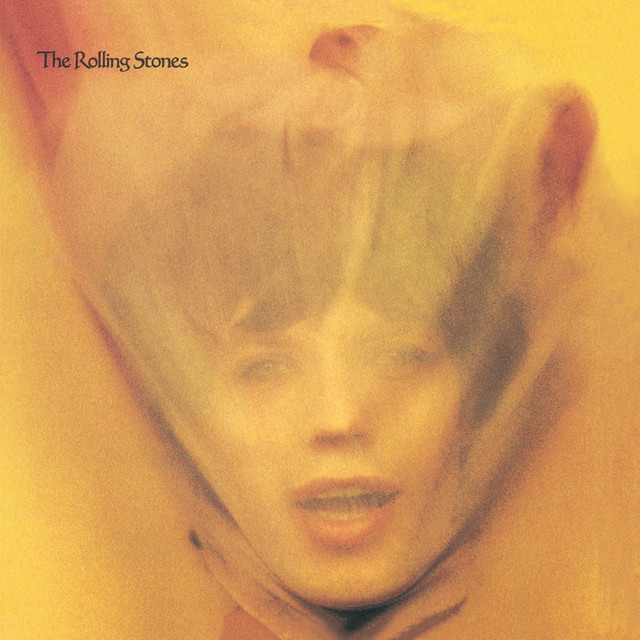
Even legendary parties eventually wind down to awkward small talk and leftover cocktail peanuts.
Following the raw triumph of Exile on Main St., The Rolling Stones dropped Goats Head Soup in October 1973, sounding less like a wildfire and more like a lukewarm hearth. This 10-track album, featuring the #1 US single “Angie,” traded swagger for a subdued, introspective vibe that felt like the hangover after a legendary party. Recorded amidst band tensions, its weary tone reflected the immense weight of fame.
The disappointment often stemmed from this contrast with high-octane expectations. While not a flop, the album’s atmospheric shift alienated some fans expecting the continuation of their legendary grit. It’s the musical equivalent of a dive bar poet showing up to a stadium show—talented, sure, but completely out of place.
4. The Who – Who Are You (1978)
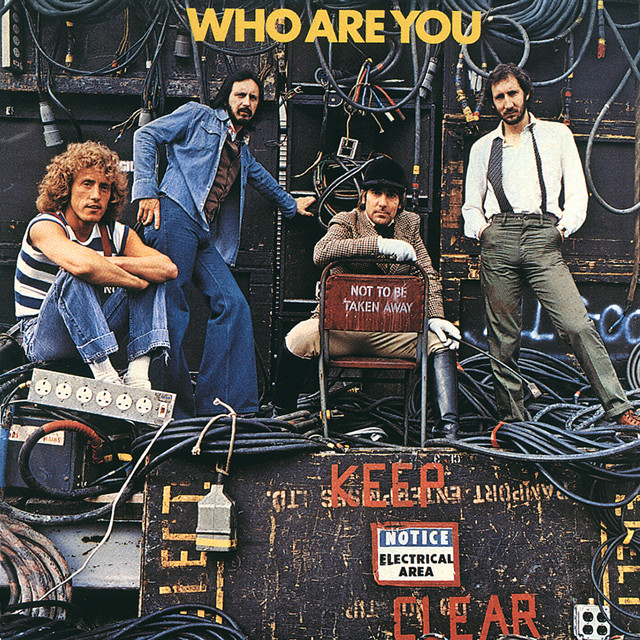
Keith Moon’s final album feels like watching a volcano that’s stopped erupting but still steams ominously.
The Who’s Who Are You, released August 18, 1978, stands as a polished, introspective swan song, a far cry from their earlier, chaotic anthems. Peaking at #2 on the US Billboard 200, this ten-track album features the hit single “Who Are You” and the surprisingly smooth “Sister Disco.” It showcases Pete Townshend’s songwriting turning inward, feeling less like a stadium roar and more like a somber whisper through the amps.
This album represents a band grappling with the twilight of an era, a final statement that feels both powerful and resigned. It’s Keith Moon’s last recording before his death, adding a haunting gravity that makes every track feel like both celebration and farewell.
3. Elton John – Victim of Love (1979)
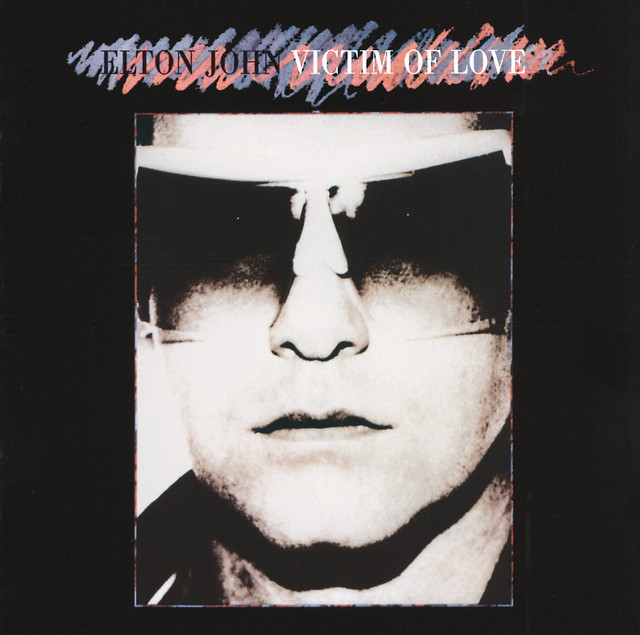
A beloved dive bar suddenly rebranding as molecular gastronomy—intriguing to some, devastating to regulars.
Elton John, a titan of piano-driven rock, plunged headfirst into disco with Victim of Love in November 1979, a move that landed at #28 on the US Billboard 200. This 10-track album, produced by Pete Bellotte, swapped his signature emotional ballads for dance floor beats, even tackling a cover of Chuck Berry’s “Johnny B. Goode.”
While a brave artistic detour for any established artist, the shift alienated many who expected his usual soulful storytelling. The album’s audacity remains its most compelling feature, a bold statement from an artist refusing to stagnate, even if it meant fracturing his audience in the process.
2. Paul McCartney and Wings – Wild Life (1971)

Expecting a stadium-rock opera and getting a charming backyard jam session instead.
Released December 7, 1971, Paul McCartney and Wings’ Wild Life was a stark departure from the meticulously crafted soundscape McCartney left with The Beatles. Recorded on a shoestring budget at his Scottish farm, the album’s 13 tracks, including gems like “Mumbo” and “Bip Bop,” showcased a raw, live-in-the-studio feel that peaked at #11 on the US Billboard 200.
Critics, expecting another revolutionary statement from a former Beatle, were baffled by its unpolished nature. This looseness, however, held a peculiar honesty. The intimate, almost domestic vibe of Wild Life highlighted the massive gulf between grand expectations and its understated, sometimes messy, execution.
1. Led Zeppelin – Presence (1976)
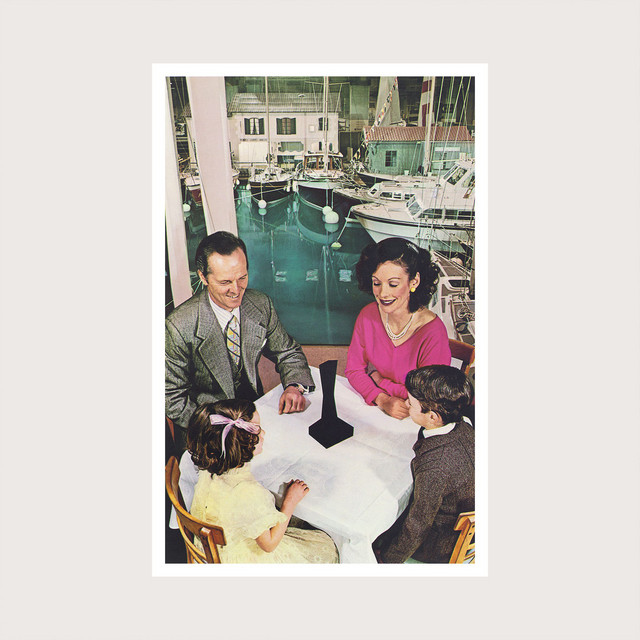
A band wrestling a bear in a broom closet—powerful but claustrophobic.
Led Zeppelin’s Presence, dropped March 31, 1976, sounds like creative tension channeled through amplifiers turned to eleven. Recorded quickly in Munich while Robert Plant recovered from a nasty car wreck, this 7-track affair traded their usual stadium-sized grandeur for something far more coiled and tense. Jimmy Page’s guitar work still rips, especially on the epic 10-minute “Achilles Last Stand,” but the overall vibe feels isolated and brooding.
It hit #1 on both the US and UK charts, proving the band’s power remained undeniable. Yet this inward turn felt like they were battling their own colossal shadow rather than conquering the world, a fascinating glimpse of legends operating under pressure and constraint.