


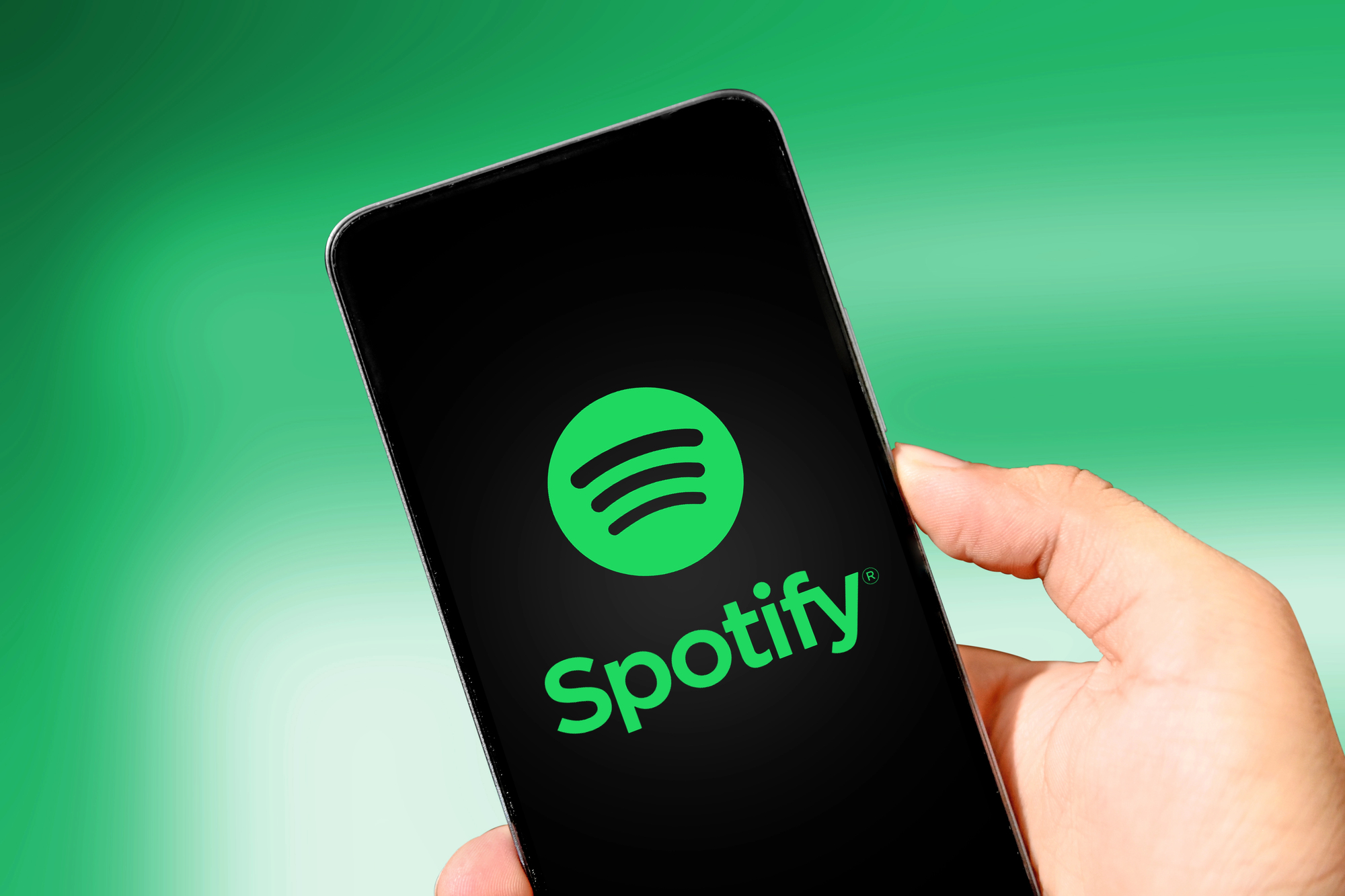
Your suspicions were right: Spotify’s shuffle button doesn’t actually randomize your music. The streaming giant holds over 1,200 patents designed to optimize engagement, with roughly 60% focused on personalizing your listening experience in ways that feel random but definitely aren’t.
The Algorithm Behind Your ‘Random’ Playlist
Smart algorithms create the illusion of randomness while maximizing user satisfaction and session length.
True randomness frustrated early Spotify users who complained about hearing the same artist multiple times in a row. So engineers scrapped statistical randomness for something called “perceived randomness” — an algorithm that generates multiple shuffle sequences, then scores them for variety.
The system spaces tracks from the same artist roughly 20-30% of your playlist length apart. It penalizes recently played songs from appearing early in the queue through “freshness scoring.” Popular tracks you’ve completed get priority placement, while frequently skipped songs get demoted.
The result feels more random than actual randomness ever did. Spotify’s engineering team openly admits this manipulation through their official engineering blog. Their algorithm creates a single shuffled queue when you hit the button, designed to feel balanced rather than mathematically random.
Users can still access true randomness through a “Standard Shuffle” option, but the default prioritizes engagement over pure chance.
Patents Reveal the Business Logic
Extensive patent filings show how shuffle optimization serves retention and monetization goals above musical discovery.
Spotify’s patent portfolio reveals the deeper strategy: keeping you listening longer. According to patent databases like Google Patents and Justia, the company has filed over 230 patents since 2016. Recent filings describe collaborative filtering systems that analyze collective user behavior to predict what maintains session duration.
These patents cover everything from emotion detection through voice analysis to environmental context awareness. Your shuffle isn’t just avoiding artist clusters — it’s potentially adapting to your detected mood, time of day, and even crowd size around you.
The shift from random to algorithmic represents streaming platforms prioritizing engagement metrics over pure discovery. When your shuffle “randomly” plays that song you’ve been streaming repeatedly, that’s collaborative filtering at work, not coincidence.
Understanding these mechanics doesn’t diminish the listening experience, but it does reveal how attention economy principles now shape even seemingly simple features like shuffle. Your playlist might feel serendipitous, but it’s actually the product of sophisticated behavioral modeling designed to keep you streaming.