



The 1960s music scene resembles a crowded house party where history only remembers who danced on tables. While Hendrix set guitars ablaze and the Beatles transformed pop consciousness, dozens of groundbreaking artists were crafting revolutionary sounds in adjacent rooms, many of whom became overlooked 1960s rock legends that deserve far more recognition. These overlooked architects operated in an industry where radio gatekeepers and label mismanagement could easily bury genuine talent. Consider this your archaeological expedition into rock’s hidden foundations – each artist contributed something essential that reverberates through your Spotify playlists, whether you realize it or not.
19. The Electric Prunes: The Sound Designers Who Turned Guitar Effects Into Compositional Tools
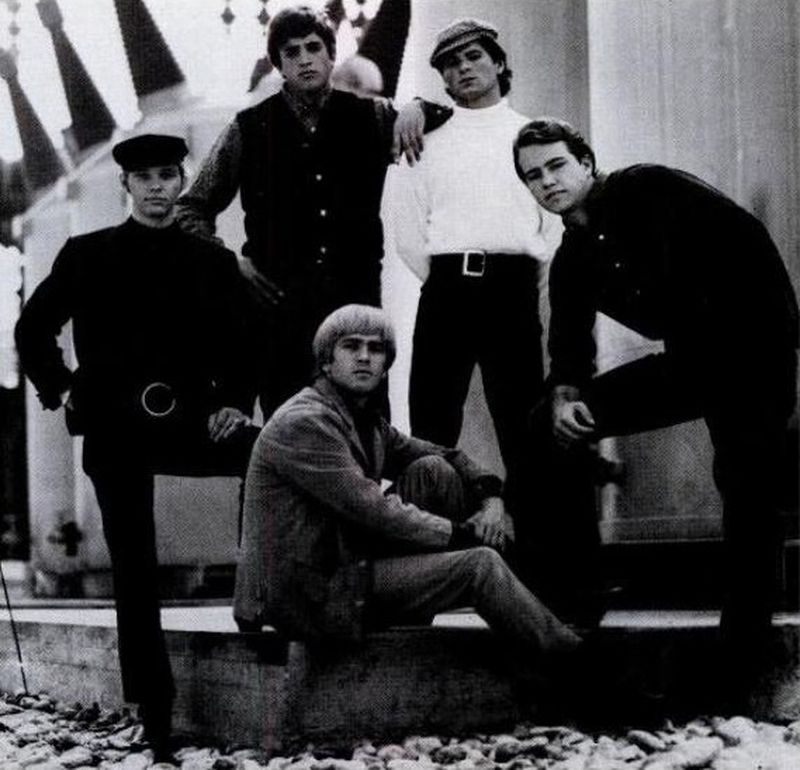
Fuzz, reverb, wah-wah—The Electric Prunes elevated guitar effects from novelty add-ons to essential compositional elements. Their textural innovations on “I Had Too Much To Dream” created psychedelic production techniques that countless bands would steal for decades. Though label interference and producer David Hassinger’s control limited their creative freedom, their breakthrough hit showcased backwards guitar, disorienting panning, and atmospheric effects that became psychedelic blueprints.
“I Had Too Much To Dream (Last Night)” remains a perfect encapsulation of psychedelia’s disorienting potential. The song’s layered approach to guitar manipulation anticipated everything from My Bloody Valentine’s shoegaze walls of sound to modern indie rock’s effects-heavy approach.
18. The Chambers Brothers: The Gospel Revolutionaries Who Stretched Time Itself
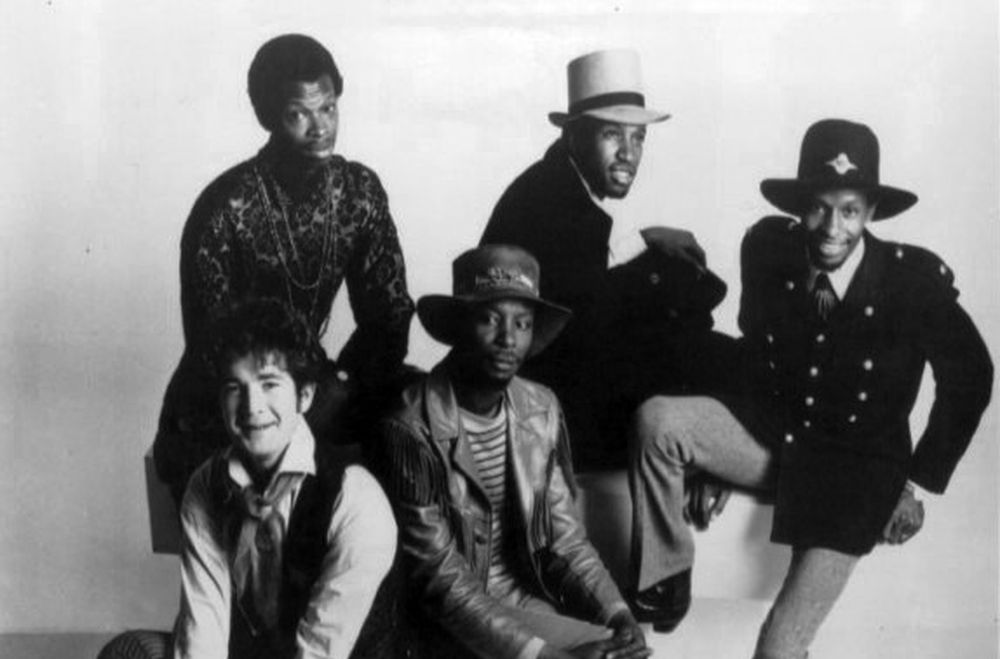
Gospel traditions meet psychedelic instrumentation—The Chambers Brothers didn’t just create a new sound, they demolished song length conventions and racial boundaries simultaneously. Their 11-minute “Time Has Come Today” stretched rock’s structural possibilities to breaking points with its reverb-drenched cowbell, screams, and extended psychedelic breaks.
The song functioned as both a spiritual experience and a sonic experiment, proving that gospel-trained vocals could bring soul power to psychedelic exploration while challenging the three-minute single format that dominated radio.
The full 11-minute version of “Time Has Come Today” demonstrates their genre-fusing innovation and improvisational power. Their multicultural audience appeal helped bridge racial divides during a fractured era in American history, showing music’s potential to unite rather than divide.
17. Judy Henske: The Performer Too Wild for Folk, Too Folk for Rock
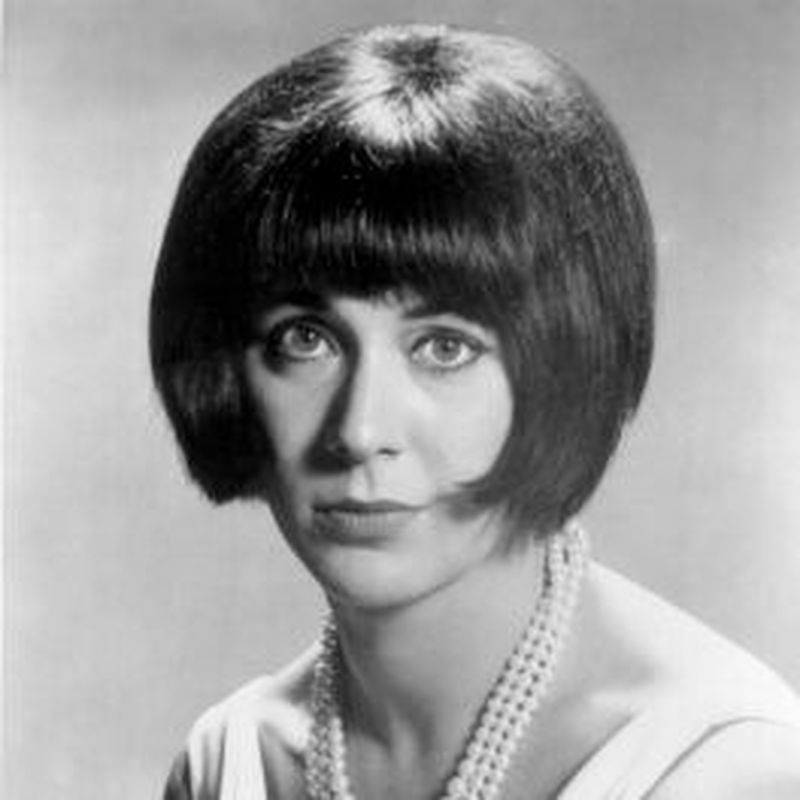
Genre boundaries? Judy Henske demolished them with theatrical performances that shifted from tender balladry to primal howls within single verses. Too wild for folk purists, too folky for rock audiences—she carved her lane with razor-sharp wit and uncompromising vision. Her ability to blend traditional folk with blues, jazz, and rock elements anticipated the folk-rock explosion.
But her theatrical background and between-song banter revealed a performer who understood entertainment as much as artistry. Her powerful voice could express vulnerability and fury with equal conviction, making her performances emotionally unpredictable.
“High Flying Bird” showcases her extraordinary vocal range and the intensity that influenced Janis Joplin’s performance style. Henske’s fearless approach to crossing musical boundaries helped establish the template for female performers who refused to be constrained by industry expectations.
16. Arthur Lee & Love: The Multicultural Visionaries Who Refused to Be Categorized
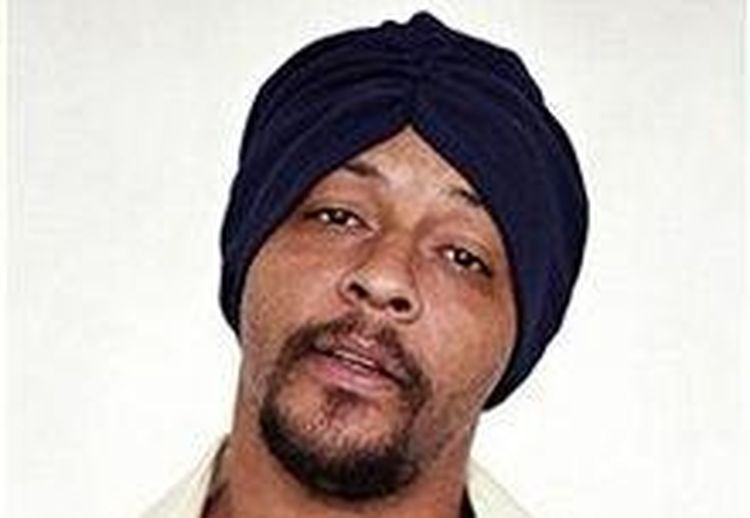
Folk, jazz, mariachi, orchestral, proto-punk—Love’s multicultural lineup exploded every musical category decades ahead of “world music” marketing campaigns. Arthur Lee’s visionary arrangements on “Forever Changes” captured Los Angeles’ darkening mood with apocalyptic beauty, combining sophisticated orchestration with streetwise lyrics that reflected the city’s social tensions.
Their refusal to tour nationally kept them from deserved recognition, but their musical sophistication influenced generations from The Doors to Mazzy Star. Lee’s apocalyptic worldview and genre-blending arrangements created a uniquely American psychedelic vision that felt utopian and dystopian.
“Alone Again Or” showcases their genre-transcending approach and Lee’s brilliant orchestration. The song’s mariachi-influenced trumpet lines and folk-rock foundation demonstrate how they seamlessly integrated diverse musical traditions into cohesive artistic statements.
15. The Beau Brummels: The Americans Who Beat the Byrds to Folk-Rock
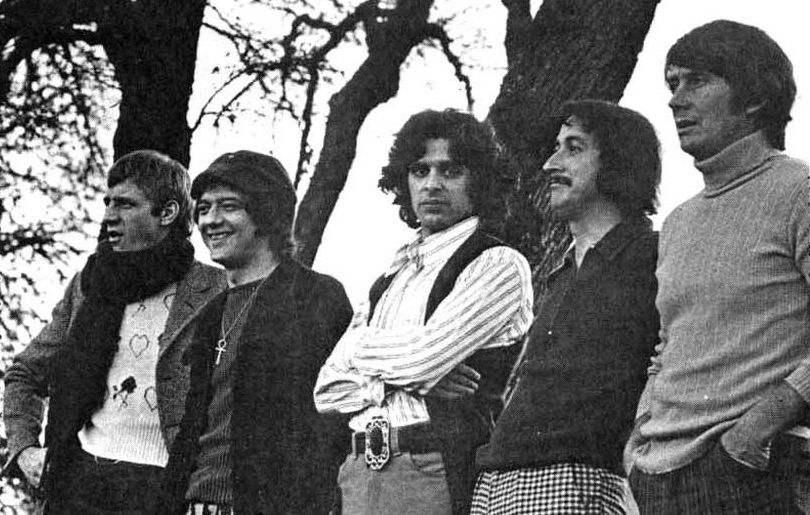
Innovation over imitation—The Beau Brummels crafted the perfect American response to the British Invasion by mastering folk-rock elements ahead of the Byrds. Producer Sly Stone’s early work with them helped shape their distinctive sound and his emerging genius, using them as a testing ground for production techniques he’d later perfect.
Their distinctive vocal approach, led by Sal Valentino’s emotive delivery, brought unprecedented emotional depth to pop structures. Their evolution from British-influenced pop to pioneering country-rock on “Bradley’s Barn” demonstrated musical versatility that few contemporaries could match.
“Laugh, Laugh” demonstrates their perfect synthesis of British Invasion sounds with American folk influences. The song’s jangly guitars and harmonized vocals established a template that countless American bands would follow throughout the folk-rock explosion.
14. Spanky and Our Gang: The Jazz-Trained Perfectionists Who Made Pop Sound Effortless
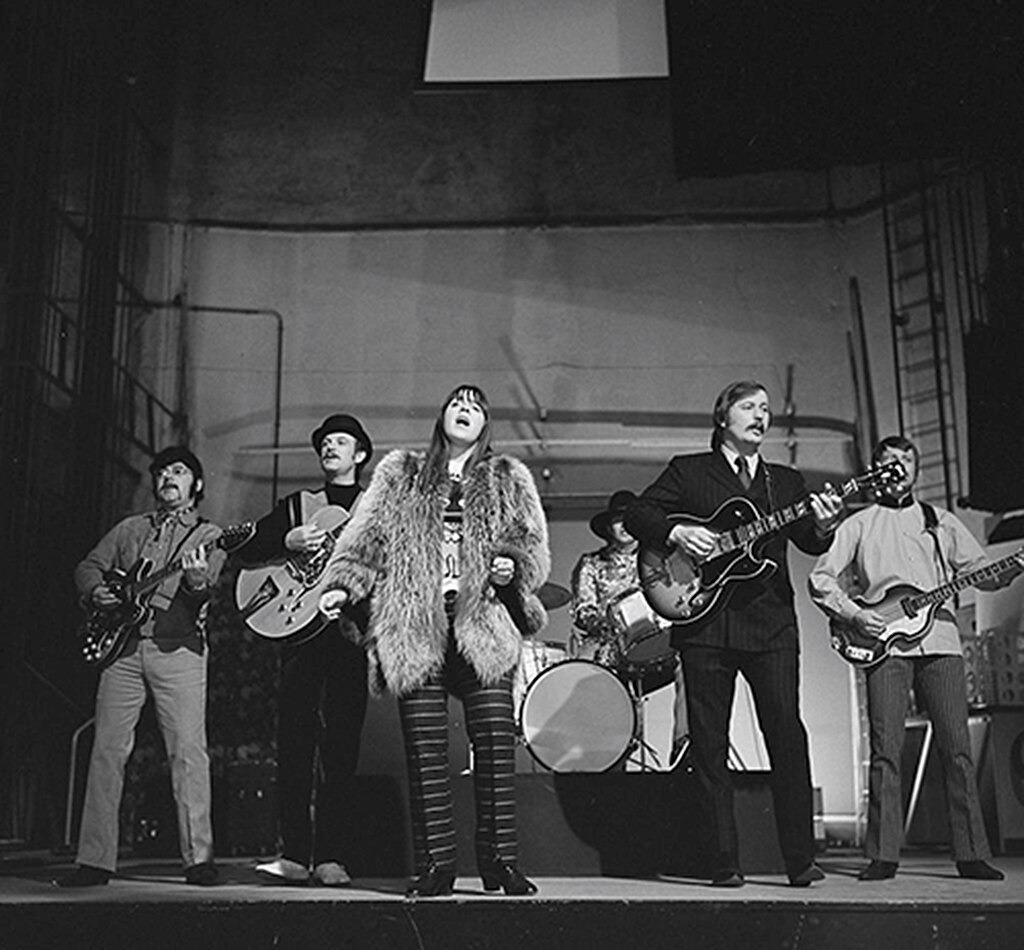
Jazz-influenced vocal arrangements so sophisticated they made the Beach Boys sound amateur—Spanky and Our Gang proved that effortless pop required serious training. Producer Jerry Ross used innovative studio techniques to highlight their precision, creating vocal blends that influenced groups for decades.
Their intricate vocal interplay and precise intonation elevated seemingly simple songs into showcases for extraordinary technical ability, while Elaine “Spanky” McFarlane’s distinctive lead vocals provided the perfect focal point for their complex harmonies. The group’s ability to make difficult arrangements sound natural became their signature achievement.
“Sunday Will Never Be The Same” reveals their jazz-influenced vocal arrangements and harmonic sophistication. Their approach influenced everyone from Manhattan Transfer to modern a cappella groups, proving that technical precision could enhance rather than diminish emotional impact.
13. Tim Buckley: The Vocal Shapeshifter Who Treated Genres Like Suggestions
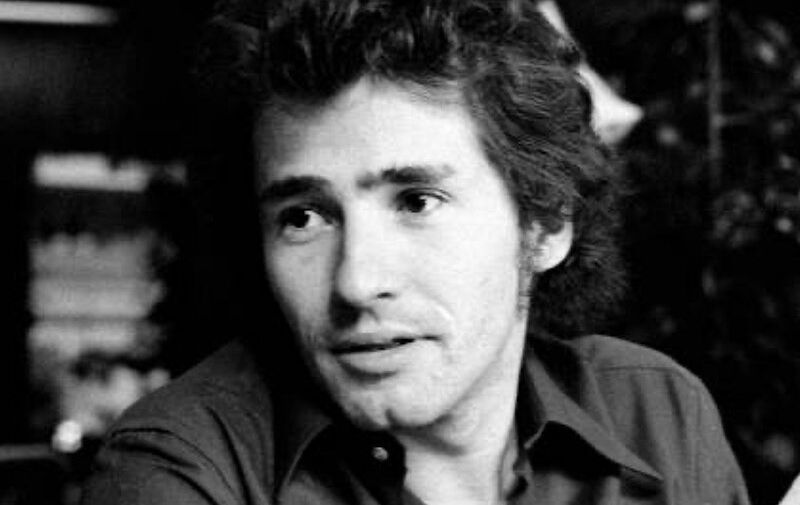
One album, one complete artistic reinvention—Tim Buckley’s extraordinary vocal range explored jazz, avant-garde, and funk territories that left audiences constantly guessing. His octave-leaping voice could express tender vulnerability and primal emotion within the same breath, making him rock’s most unpredictable vocal performer.
Each album saw him pushing into new territory with his voice becoming increasingly untethered from conventional approaches, influenced by everything from Miles Davis to Middle Eastern music. His fearless experimentation influenced generations of vocalists to expand their expressive possibilities, though his son Jeff’s legacy often overshadows his revolutionary contributions.
“Song to the Siren” demonstrates his otherworldly vocal control and emotional depth. The song’s haunting melody and Buckley’s ethereal delivery created a template for atmospheric songwriting that continues to influence artists decades later.
12. The Peanut Butter Conspiracy: The Psychedelic Alchemists Who Made Weird Sound Accessible
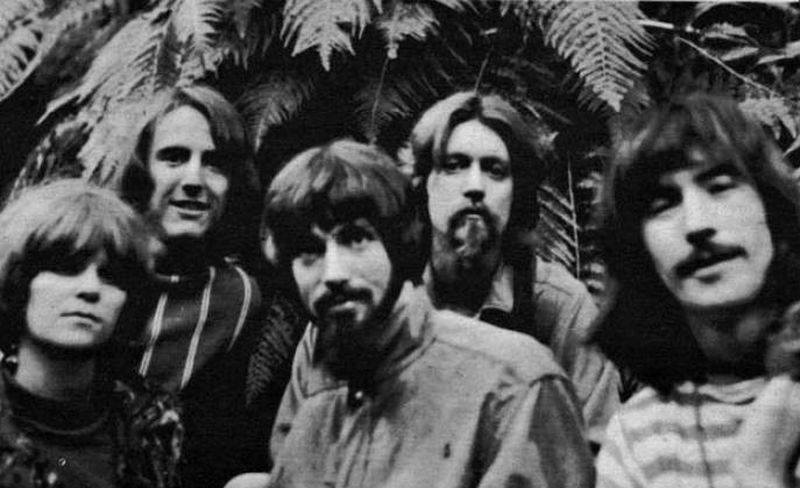
Experimental sounds, irresistible melodies—somehow, The Peanut Butter Conspiracy cracked psychedelia’s trickiest code. Producer Gary Usher used them to push studio boundaries, incorporating phasing and flanging effects that welcomed listeners instead of alienating them.
Their male-female vocal dynamic and adventurous studio techniques created psychedelic pop that balanced experimental sounds with accessible melodies, proving that innovation didn’t require alienation. Their sophisticated arrangements elevated what could have been simple flower-power anthems into enduring psychedelic statements that maintained commercial appeal without sacrificing artistic integrity.
“It’s A Happening Thing” demonstrates their perfect balance of experimental production and infectious melody. The song’s layered harmonies and effects-heavy production showcase how they made studio experimentation serve the song rather than overwhelming it.
11. Fred Neil: The Voice That Taught Folk How to Roar
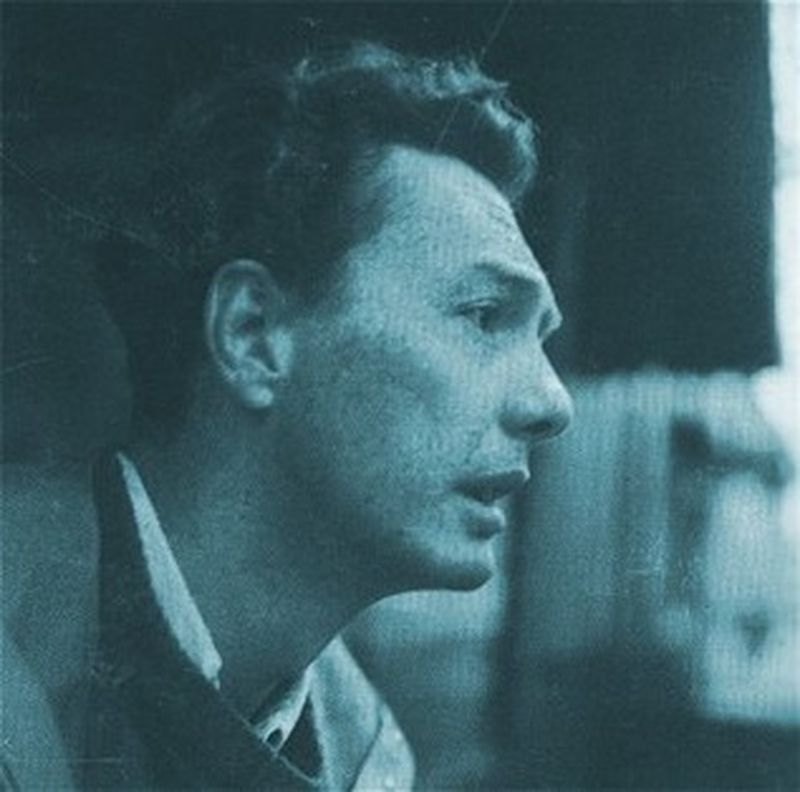
That cavernous baritone didn’t just sing—it rewrote the rules for how folk music could sound. Fred Neil’s voice carved canyons through Greenwich Village, proving to David Crosby and Tim Buckley that acoustic guitars could roar instead of whisper.
His innovative open tunings and jazz-influenced guitar work created a template that folk-rockers would mine for decades, while his atmospheric approach to arrangement anticipated the entire ambient folk movement. Though “Everybody’s Talkin’” remains his most recognized contribution through Nilsson’s cover in “Midnight Cowboy,” Neil’s true legacy lives in his revolutionary approach to folk music as a sonic landscape rather than a simple storytelling vehicle.
“The Dolphins” from his 1966 self-titled album captures Neil’s hypnotic guitar work and that voice, deep as an ocean trench and twice as mysterious. His influence on the folk-rock movement cannot be overstated, despite his reluctance to pursue commercial success.
10. Moby Grape: The Democratic Perfectionists Who Split Songwriting Five Ways
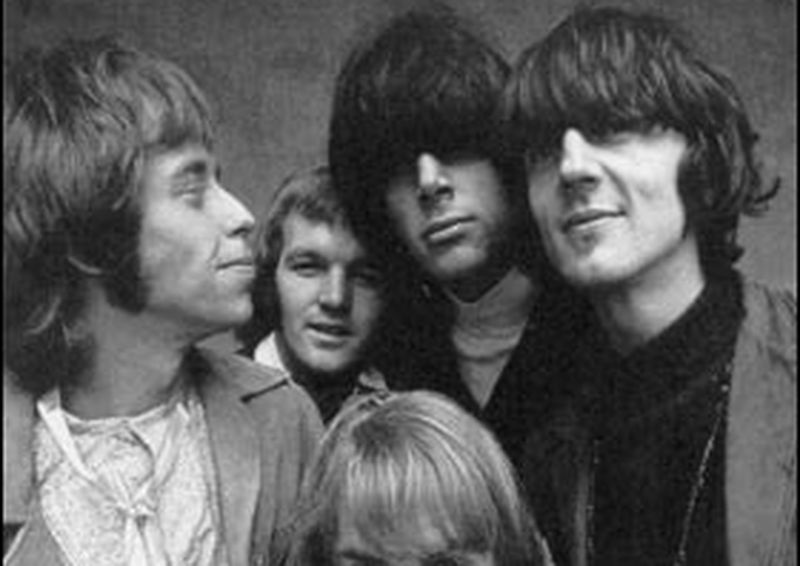
Five songwriters, five lead vocalists, infinite possibilities—Moby Grape’s radical democracy created albums seamlessly blending rock, country, blues, jazz, and psychedelia. Their three-guitar attack set new standards for rock musicianship that few contemporaries could match, while their tight vocal harmonies demonstrated how democratic songwriting could enhance rather than dilute artistic vision.
Each member contributed songs and lead vocals, resulting in albums that showcased remarkable stylistic range within cohesive artistic statements. Label mismanagement and mental health struggles prevented them from reaching the audience they deserved, making them one of rock’s great “what if” stories.
“Omaha” showcases their three-guitar interplay and explosive energy that made them San Francisco’s most technically accomplished band. Their instrumental virtuosity and democratic approach influenced countless bands that sought to balance individual creativity with collective vision.
9. Phil Ochs: The Journalist Who Made Protest Music Literary
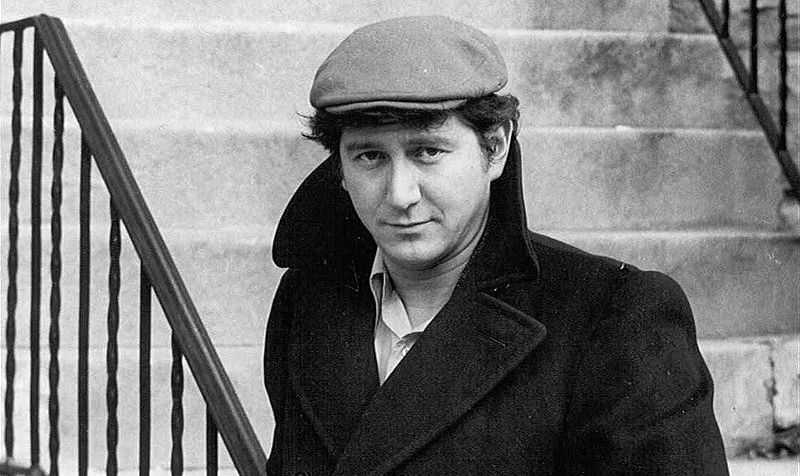
Newspaper headlines transformed into poetic imagery—Phil Ochs elevated protest music far beyond simple chord progressions and obvious messages. His journalistic precision combined with sophisticated melodies created political songs that transcended their immediate circumstances, bringing literary depth and emotional complexity to topical songwriting.
His approach combined newspaper-headline immediacy with poetic imagery and sophisticated melodies that elevated political music to artistic heights most protest singers never approached. As the 60s progressed, his music evolved from straightforward protest to complex, orchestrated statements that reflected the era’s darkening mood and his internal struggles with America’s broken promises.
“Changes” reveals his melodic gifts and poetic depth beyond his topical material. The song demonstrates how Ochs could create deeply personal statements that resonated beyond their political context, influencing singer-songwriters who valued lyrical sophistication.
8. The Seeds: The Minimalists Who Invented Punk a Decade Early
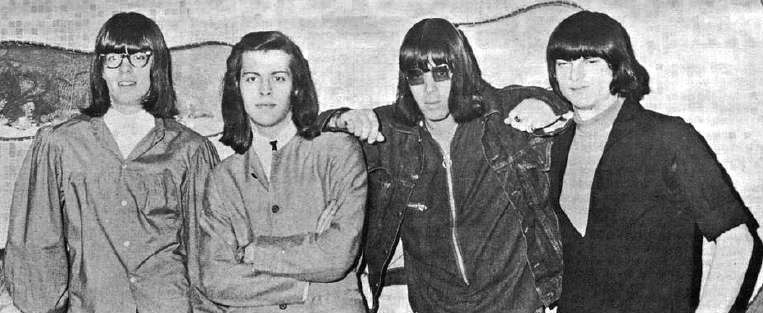
Raw essentials only—The Seeds stripped rock down to repetition, primitive organ, and Sky Saxon’s sneering vocals when everyone else was adding orchestras. Their deliberate rejection of technical proficiency in favor of primal expression anticipated punk’s arrival by a full decade, establishing templates that countless garage and punk bands would follow.
Saxon’s unhinged performance style and confrontational lyrics challenged the peace-and-love ethos with something darker and more dangerous, proving that rock’s power lay in its rawness rather than its sophistication. Their minimalist approach, built on repetition, primitive organ sounds, and attitude over technique, created a blueprint for punk that wouldn’t be fully realized until the 70s.
“Pushin’ Too Hard” captures their minimalist approach and aggressive energy that anticipated punk by a decade. The song’s relentless drive and Saxon’s sneering delivery demonstrated how less could be more in rock music.
7. The Blues Project: The Virtuosos Who Elevated Rock Before Progressive Rock Had a Name
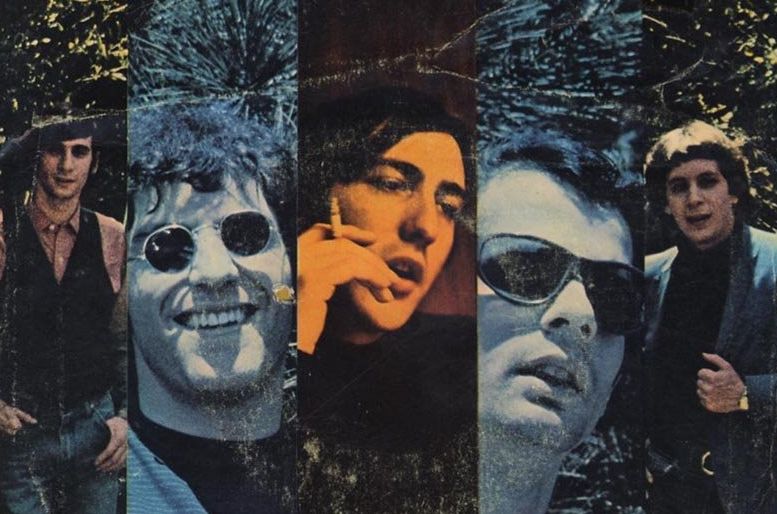
Jazz improvisation meets rock structures—The Blues Project treated three-chord songs as launching pads for sophisticated musical exploration. Al Kooper’s organ work and Danny Kalb’s exploratory guitar transformed simple compositions into extended journeys that demonstrated rock’s serious artistic potential, years before progressive rock emerged as a recognized genre.
Their fluid lineup of exceptional musicians brought unprecedented technical skill to rock structures, particularly through improvisational approaches that treated rock clubs like jazz venues. Their live performances featured an intensity and musical sophistication that demonstrated rock’s potential as a vehicle for serious musical exploration rather than simple entertainment.
“Flute Thing” demonstrates their jazz-rock fusion approach and improvisational brilliance. The track showcases how they could take unconventional instrumentation and make it central to rock arrangements, influencing the progressive rock movement.
6. Gene Clark: The Poet Who Made Country-Rock Before Anyone Called It That
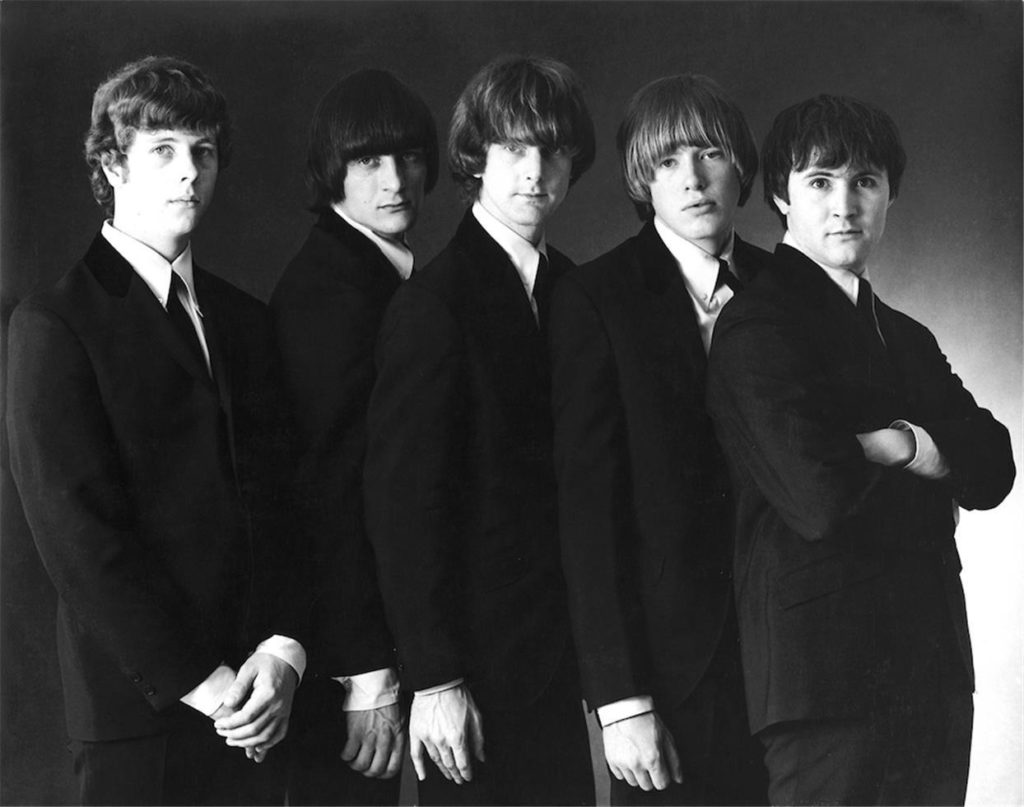
Country-rock fusion? Gene Clark pioneered it. Literary rock lyrics? He perfected them. His sophisticated songwriting during the Byrds’ early period elevated rock lyrics to poetic heights that most actual poets would envy, quietly creating masterpieces while the band transformed into America’s answer to the Beatles.
His sophisticated songwriting brought emotional depth and literary quality to rock lyrics, while his arrangements blended country, folk, and rock elements into seamless artistic statements. His commercial struggles despite creating rock’s most accomplished work remain one of music’s great injustices, as solo masterpieces like “No Other” demonstrated visionary production approaches that anticipated 70s country-rock by years.
“Silver Raven” from “No Other” demonstrates his visionary production approach and poetic lyrical depth. The song’s orchestral arrangements and literary imagery showcase Clark’s ability to create epic musical statements that functioned as entertainment and art.
5. The Left Banke: The Teenagers Who Brought Classical Music to Rock Before It Was Cool
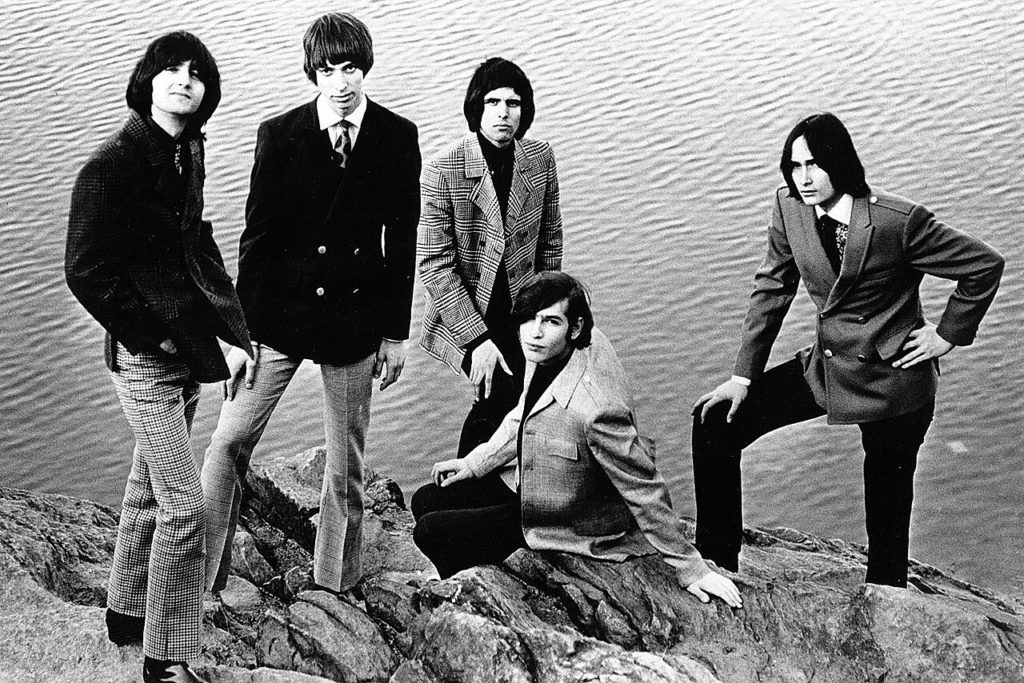
Harpsichords in rock music? Teenage genius Michael Brown made it work by writing miniature symphonies that transformed pop music’s possibilities. His classical training brought unprecedented harmonic complexity to three-chord structures, creating baroque pop’s blueprint that bands still reference today. Their pioneering use of harpsichord, strings, and complex vocal harmonies created the template for chamber pop years before the Beatles’ orchestral experiments.
On the other hand, Steve Martin’s choirboy vocals added emotional depth to their miniature masterpieces. Brown’s arrangements demonstrated how classical instrumentation could enhance rather than overwhelm pop songcraft, proving that sophistication and accessibility weren’t mutually exclusive in rock music.
Beyond “Walk Away Renée,” discover “Pretty Ballerina” to hear how they seamlessly merged classical elements with pop songcraft. Their influence extends through decades of baroque pop, from The Beach Boys’ “Pet Sounds” to modern indie orchestral arrangements.
4. Dino Valente: The Mystic Who Rejected Pop Song Structure Entirely
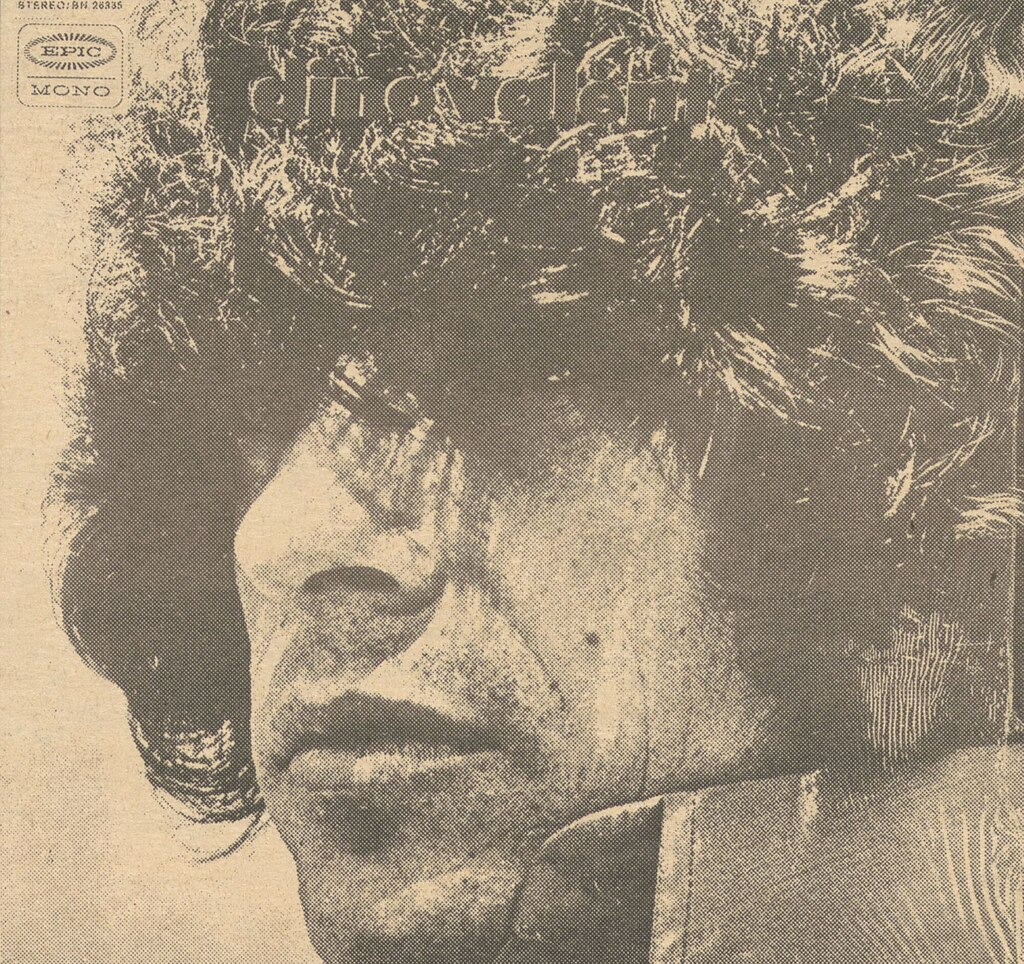
Verse-chorus-verse? Dino Valente treated that formula like a suggestion he politely ignored. His flowing, meditative compositions functioned as spiritual journeys rather than radio-friendly packages, creating the template for freak-folk decades early.
His distinctive fingerpicking style and mystical lyrics made him the quintessential underground figure of the San Francisco scene, rejecting conventional verse-chorus structures in favor of flowing, meditative journeys that treated songs as vehicles for consciousness expansion. Though best known for writing “Get Together” (a hit for The Youngbloods), his 1968 album reveals intricate guitar work and spiritual explorations that anticipated the entire freak-folk movement by decades.
“Time” from his 1968 self-titled album demonstrates his hypnotic guitar technique and visionary lyrical approach. The song’s extended structure and meditative quality showcase how Valente transformed folk music into a vehicle for spiritual exploration.
3. Bobby Fuller: The Texan Who Made Rockabilly Future-Proof
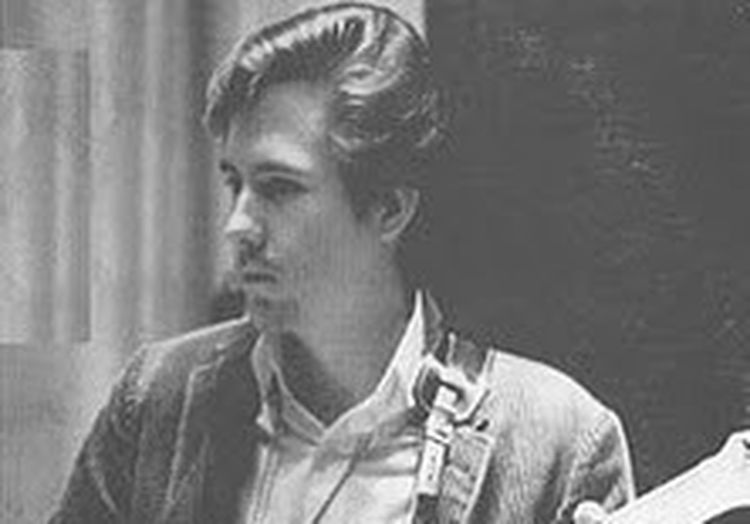
Sweet spot discovered: somewhere between Elvis and the Beatles lay Bobby Fuller’s revolutionary sound. His layered guitars and innovative recording approach anticipated garage rock’s revival by decades, creating music that felt nostalgic and futuristic simultaneously. His innovative recording approach and layered guitars bridged 1950s rockabilly with British Invasion energy, creating sounds both nostalgic and forward-looking that would influence garage rock’s revival decades later.
His mysterious death at 23 (ruled a suicide despite suspicious circumstances) cut short a career that was redefining rock’s possibilities, leaving behind a small but influential catalog that demonstrated how American rock could evolve beyond simple imitation of British trends.
Beyond “I Fought The Law,” try “Let Her Dance” to hear Fuller’s perfect synthesis of rockabilly swagger and British Invasion precision. His approach to layered guitar recording and energetic production influenced countless garage rock revivalists who discovered his work decades later.
2. The United States of America: The Electronic Pioneers Who Replaced Guitars with Synthesizers
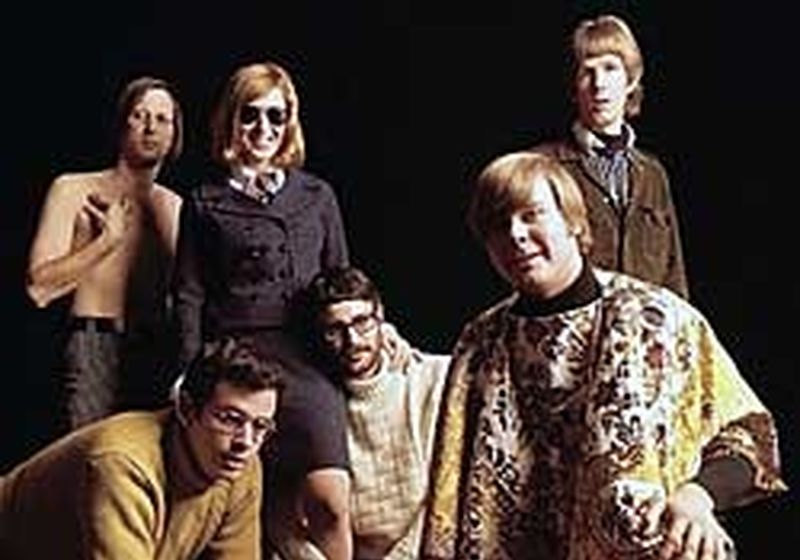
Synthesizers instead of guitars, ring modulators instead of amps—The United States of America brought avant-garde electronic techniques into rock decades before Kraftwerk made it cool. Led by experimental composer Joseph Byrd, they created disorienting soundscapes that challenged every rock convention, replacing traditional instruments with primitive synthesizers, ring modulators, and electronic effects that sounded like transmissions from another planet.
Singer Dorothy Moskowitz’s classically trained vocals provided an accessible entry point to their revolutionary sound, creating a bridge between avant-garde experimentation and pop accessibility. Their single, self-titled album stands as rock’s first fully-realized electronic vision, anticipating everything from Krautrock to modern electronic music.
“The American Metaphysical Circus” demonstrates their groundbreaking electronic approach and political conceptual framework. The song’s electronic textures and conceptual ambition showcase how they transformed rock into a vehicle for both sonic and political experimentation.
1. The Mojo Men: The Band That Shapeshifted Through San Francisco’s Musical Revolution
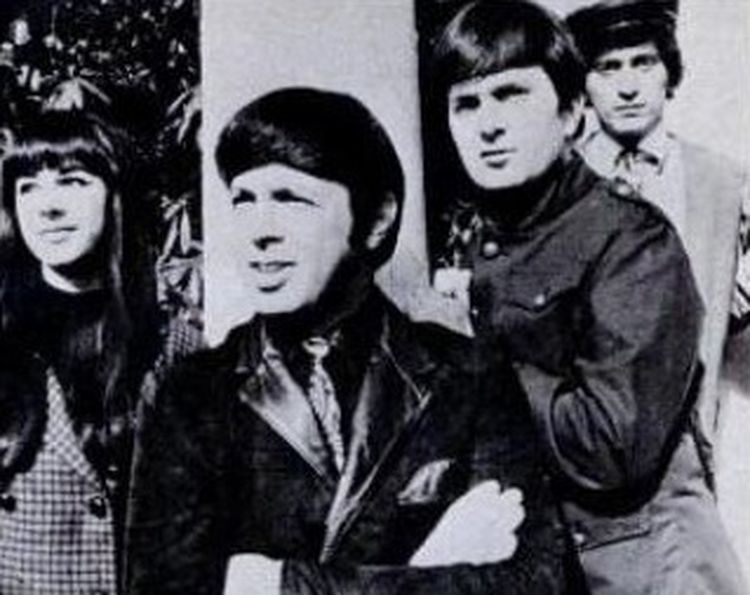
From garage rock bruisers to orchestral sunshine pop alchemists—watching The Mojo Men’s evolution was like watching San Francisco’s entire psychedelic transformation happen in fast-forward. Producer Sylvester Stewart turned them into his laboratory for techniques he’d later perfect with his Family Stone, using them as a testing ground for the production innovations that would define the San Francisco sound.
Their journey from Rolling Stones-inspired rave-ups to sophisticated arrangements showcases how quickly musical boundaries dissolved in the mid-60s, as bands reinvented themselves to keep pace with rapidly changing cultural landscapes. Their ability to adapt and evolve made them perfect representatives of an era when musical transformation happened at breakneck speed.
Their shimmering cover of Buffalo Springfield’s “Sit Down I Think I Love You” reveals sophisticated arrangement skills and Sly Stone’s emerging genius. The track demonstrates how they transformed from simple garage rockers into sophisticated pop craftsmen under Stone’s guidance.