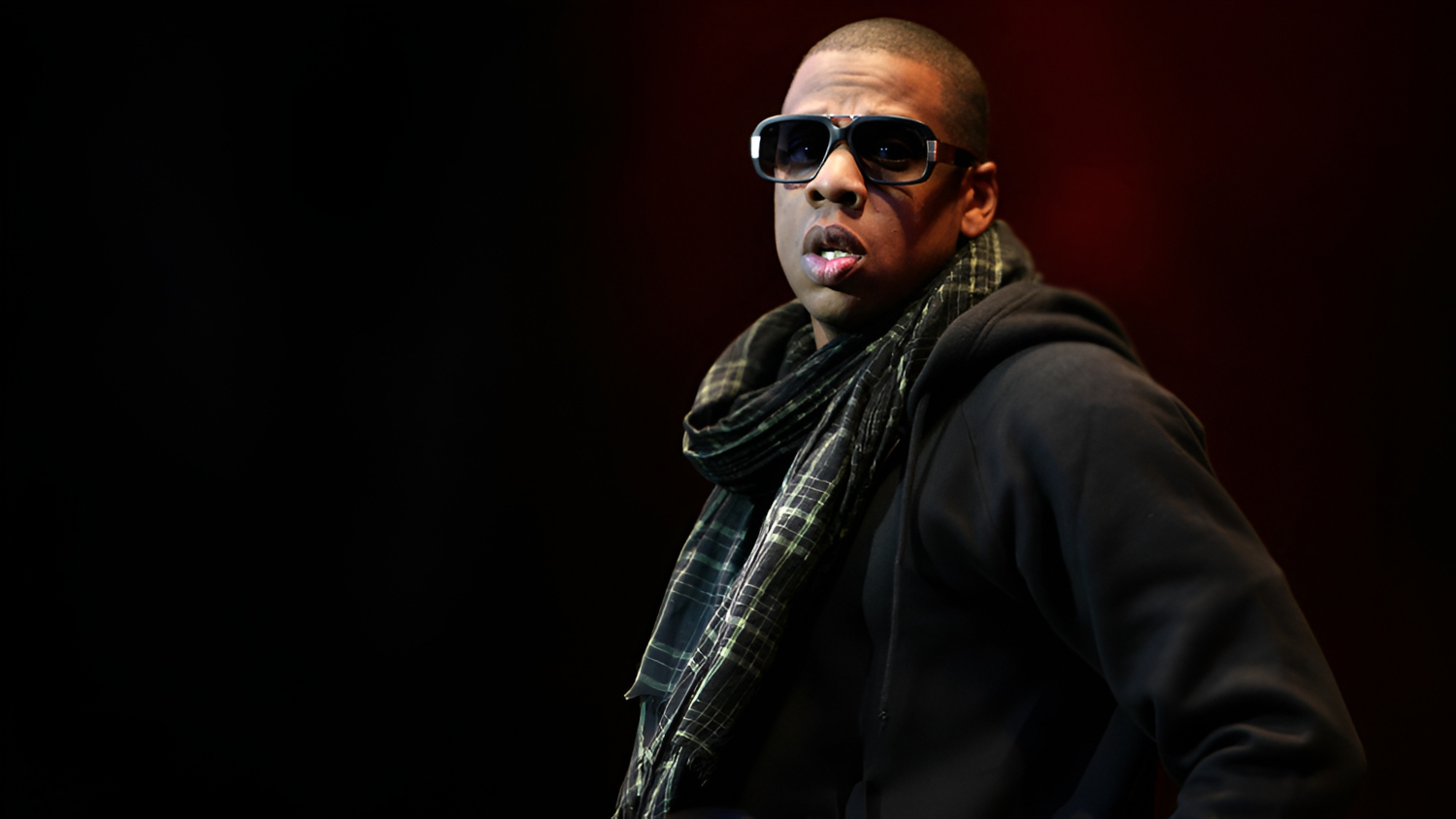



Thirty years after Reasonable Doubt dropped, Jay-Z didn’t just close a tour — he convened a summit. Two sold-out nights at SoFi Stadium in Inglewood wrapped the JAŸ-Z30 anniversary run. By the time the final show ended on October 24, the stage had held enough combined catalog to fill a graduate-level hip-hop syllabus. The guest list read like someone gave a kid from Marcy Houses the keys to Los Angeles and said: call whoever you want.
The West Coast Handed the Mic Back
The finale shifted from East Coast retrospective to West Coast homecoming the moment Too $hort stepped onstage.
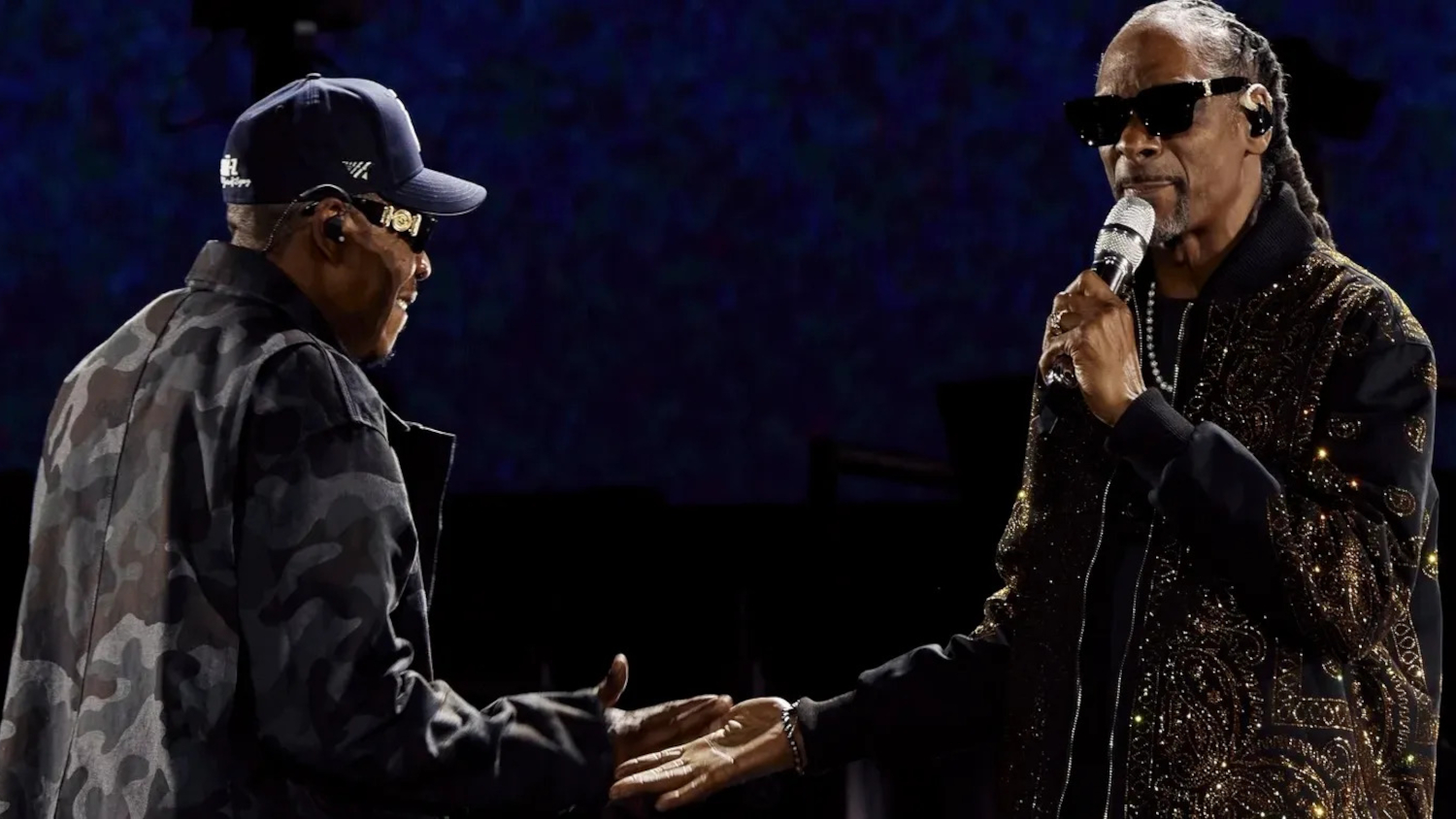
Too $hort opened the guest parade with “Blow the Whistle” and a freestyle that reminded SoFi exactly where Bay Area confidence has always lived. Then Snoop Dogg emerged solo, “Murder Was the Case” reverberating through the stadium. Dr. Dre walked out beside him shortly after. The medley that followed was less a concert moment and more a geographic declaration — delivered back to back before a capacity crowd:
- “The Next Episode”
- “Still D.R.E.”
- “Nuthin’ but a ‘G’ Thang”
- “California Love”
Night one, October 23, carried its own weight. Scarface joined Jay-Z for “This Can’t Be Life” and “Mind Playing Tricks on Me.” Blue Ivy Carter performed on piano during “The Story of O.J.” and “Dead Presidents / Dead Presidents II.” John Legend and DJ Khaled joined for “God Did.” Across earlier tour dates, the wider guest roster included Nas, The-Dream, Rihanna, and Beyoncé — a full portrait of hip-hop’s generational reach.
Nipsey’s Name in the Lights
The evening’s most emotionally grounded moment honored an LA voice that never got the chance to share this stage.
The finale’s most unguarded moment belonged to someone who couldn’t be there. A black-and-white image of Nipsey Hussle appeared onscreen while Jay-Z performed “Hussle & Motivate.” Then Hussle’s “Last Time That I Checc’d” surfaced inside “On to the Next One” — stitched into Jay-Z’s own catalog like a deliberate seam, not a footnote. It connected a 30-year career retrospective to a more recent Los Angeles loss, and the crowd felt the weight of that choice.
Jay-Z also addressed online criticism surrounding ticket resales and attendance, urging the crowd to question what they consume — and calling out AI’s role in shaping public narratives. Those were his words to the audience, not an independent audit of ticket markets. What the tour demonstrated is harder to dispute: hip-hop doesn’t simply reference its history. Given the right stage and the right night, it brings that history back to life.