


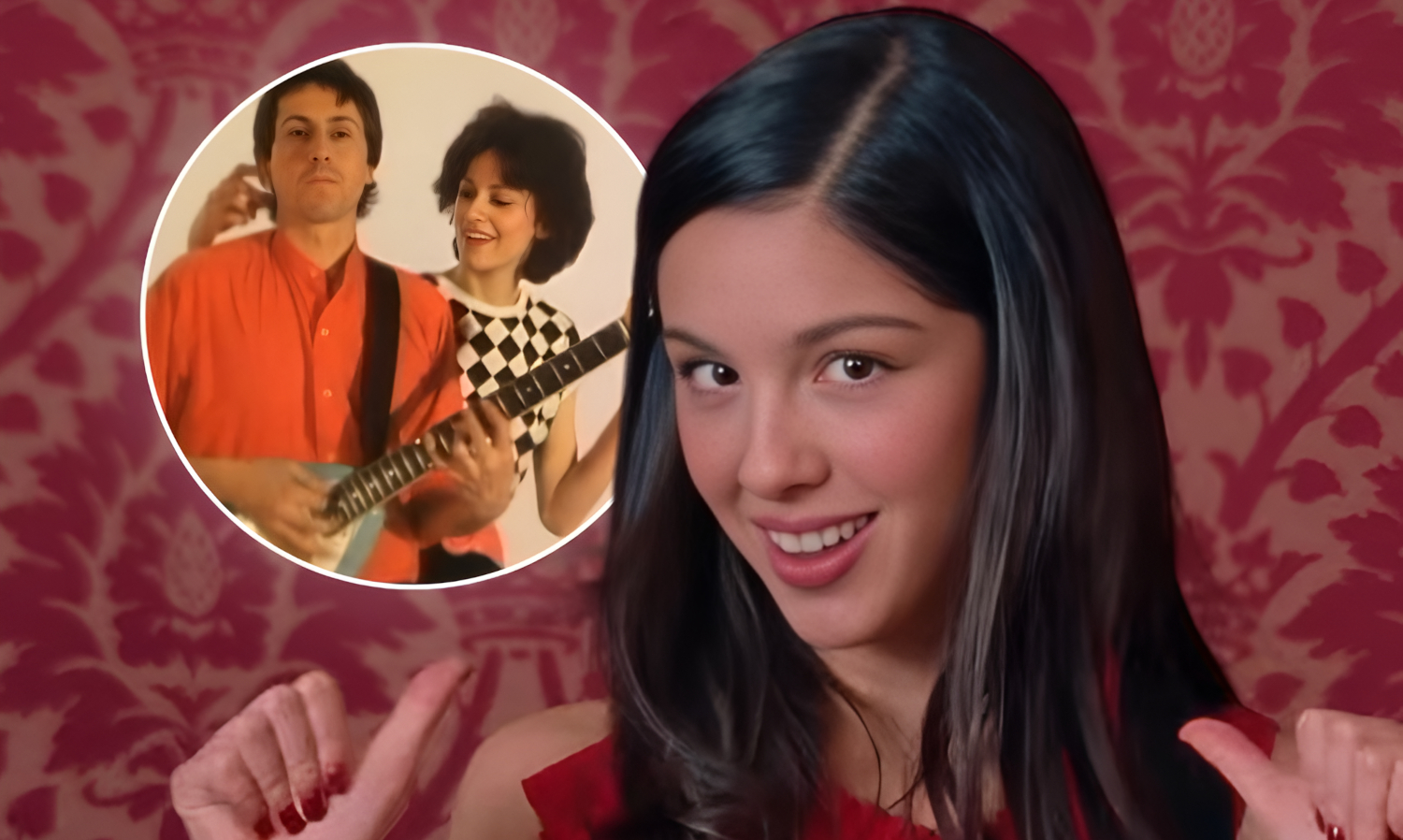
Plagiarism accusations travel fast on the internet. What travels slower is the person best positioned to make them saying: not even close. When Olivia Rodrigo released “take me home (4 christmas)” on Nov. 5, 2026 — her first Christmas song — the internet immediately reached for its forensics kit. Listeners drew comparisons to “Christmas Wrapping,” the 1981 holiday staple by The Waitresses, a new-wave outfit from the post-punk era also known for “I Know What Boys Like.” The connection wasn’t a stolen riff or a lifted lyric. According to available reporting, it was something fuzzier — an energetic, irreverent holiday looseness that both songs share. Atmosphere, basically.
Christopher Butler, who wrote “Christmas Wrapping,” had a different reaction entirely.
From Suspicious Email to Columbus
Butler’s journey from skeptical stranger to paying ticket-holder tells the real story behind the plagiarism headlines.
Rodrigo contacted Butler roughly two months before release. He didn’t know who she was and suspected the email was fake. He researched her career anyway — and what he found apparently flipped a switch. By the time he and Beth Becker attended her Unraveled Tour stop in Columbus, they were paying for their own tickets despite Rodrigo offering complimentary ones. That’s not the behavior of someone nursing a grievance.
Here’s what you need to know about the release itself:
- Written by Rodrigo, Dan Nigro, and Amy Allen; produced by Nigro
- Music video features Cynthia Nixon and Ben Marshall
- Butler receives no songwriting credit — the track neither samples nor interpolates “Christmas Wrapping”
- B-side “miss this christmas” comes with physical editions on red 7-inch vinyl and red cassette
- Butler called it a potential UK Christmas No. 1 contender — his enthusiastic prediction, not a chart result
“The vibe is there, but no plagiarism.” — Christopher Butler, YouTube comments
Butler went further than simply dismissing the plagiarism framing. He praised Rodrigo’s songwriting, her arrangements, and her evident determination to be recognized as a writer — not just a streaming metric in a pop machine. His assessment represents his personal view as the original songwriter, not an independent legal determination. Even so, it carries weight precisely because he is the one person in this story with standing to say otherwise.
Butler has argued that a shared musical “vibe” cannot be copyrighted and that he heard no copied melody, chord progression, or other element that would justify an infringement claim. That is his read, not a court ruling. What the available reporting does confirm is that no sample or interpolation exists — only a stylistic lineage, the kind that keeps a genre breathing across decades.
What Rodrigo did before release — reaching out, explaining herself, earning Butler’s trust — reflects something rarer than the music industry usually delivers. Butler went from suspecting a hoax to becoming a genuine admirer, and a potential plagiarism controversy quietly dissolved into cross-generational respect. That outcome, it turns out, makes a considerably better story than a lawsuit ever would.