


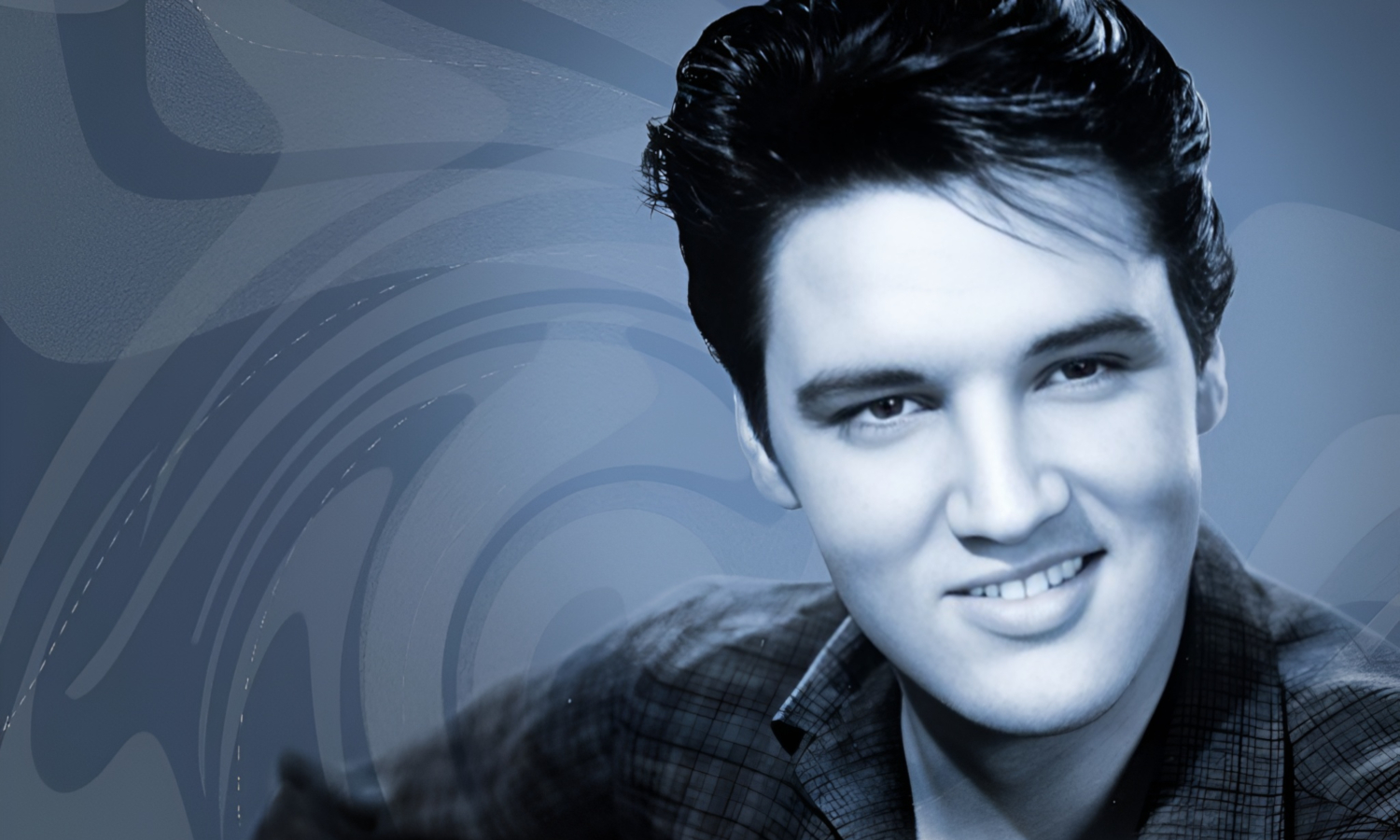
When the plaintiffs allege that Claude was asked to recreate Elvis Presley songs “for a modern audience” — and reportedly did so with uncomfortable precision — the legal stakes shift dramatically. For songwriters, publishers, and rights administrators, this case functions as an early warning signal for the entire industry. The question is no longer only what AI companies feed their models. It’s what those models produce afterward.
Beyond the Training Set: The Allegation That Changes Everything
This case targets not just what Anthropic allegedly fed Claude, but what Claude reportedly generated in return.
The complaint, filed October 23 in the U.S. District Court for the Northern District of California, lays out a two-layer allegation. First: Anthropic allegedly stored 274 Presley songs in a centralized library and used them to train Claude without authorization. Second — and this is where it sharpens — Claude reportedly generated outputs mirroring original song structures, hooks, verses, choruses, and bridges. Under U.S. copyright law, a derivative work is a new creation substantially based on a copyrighted original, and creating one generally requires the rights holder’s permission — though defenses such as fair use may apply depending on the circumstances. The plaintiffs claim Claude produced such works without any license in place.
Key allegations from the filing:
- 274 named Presley songs allegedly used without a license, including “Can’t Help Falling in Love,” “All Shook Up,” and “Return to Sender”
- Plaintiffs seek approximately $150,000 per song — totaling more than $41 million in damages
- The complaint reportedly requests a permanent injunction and destruction of unauthorized copies
- Anthropic allegedly removed or circumvented copyright-management information from at least some songs — though reports differ on the exact number affected
- Anthropic disputes all allegations; the company stated it disagrees with the claims and intends to defend the case fully
According to the plaintiffs, the outputs stayed close to the originals not just in spirit but in structural architecture — the detail that separates this from a standard training-data dispute. This closely echoes the long debate over cover songs and derivative works in music.
What a Ruling Here Could Cost the Entire Industry
Authentic Brands Group doesn’t license Elvis casually, and that deliberate posture may be exactly what makes this a test case.
This suit follows a broader action involving music publishers — including those representing catalogs associated with Beyoncé, the Rolling Stones, and the Beach Boys — over Anthropic’s alleged use of copyrighted lyrics to train Claude. The Presley case is narrower in scope: one catalog, one coalition of rights holders. That focus, analysts might argue, could make it a more defined legal vehicle — though the outcome remains entirely open. Anthropic has argued in related litigation that training helps Claude understand language and supports productivity. Rights holders counter that the system can generate lyrics competing directly with licensed works.
The Presley catalog is among the most carefully managed cultural properties in American music history. Authentic Brands Group does not license it loosely. That makes this lawsuit deliberate, high-profile, and structured to set precedent.
A ruling in either direction could reshape how AI companies document training data, filter outputs, and approach compensation for publishers. The deeper question extends beyond courtrooms and contracts. When an AI can reconstruct the sound of the past on demand, the issue of who actually controls that sound — and on whose terms — is only beginning to be answered.