


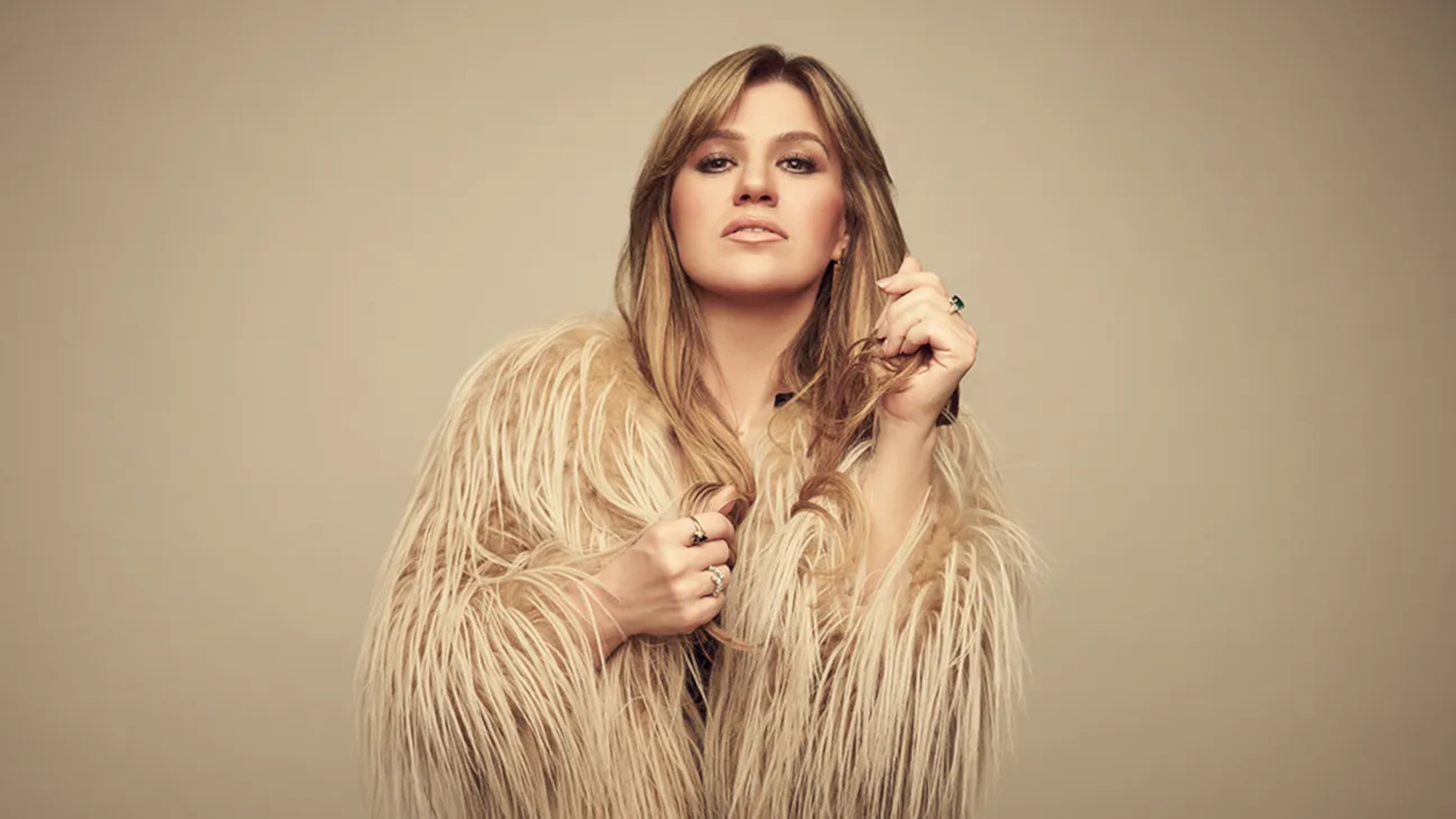
A wall-mounted singing bird in Brooklyn is now displayed at $15 million. That number — exactly 1,000 times the disputed $15,000 figure at the center of this story — shows how fast viral attention warps reality. Kelly Clarkson visited Art of Play after spotting items she wanted to buy. According to Clarkson, she left feeling humiliated, later comparing the experience to Julia Roberts‘ character in Pretty Woman — the coded retail-exclusion moment burned into every Gen X and Millennial’s cultural memory. Clarkson said staff implied a comparable mechanical bird could be sourced elsewhere for $15,000, and she called the store’s subsequent explanation dishonest.
The store tells a different story entirely.
The Store Fights Back — and Claims Real Danger Followed
Art of Play disputes Clarkson’s account and says the fallout extended well beyond a bad customer experience.
According to Art of Play, “Molly” — a yellow mechanical singing-and-dancing bird — is permanently attached to the wall and integral to the shop’s magic performances. Staff reportedly directed Clarkson toward artist Bliss Kolb, who owns a nearly identical automaton available for $15,000. The store also says it offered Clarkson a separate singing bird priced around $2,000, which she left before seeing.
Co-owner Adam Rubin, also a children’s book author, told Fox News Digital that Clarkson’s public criticism “put us in danger” — alleging that people connected to the store faced threats and doxxing after the dispute went viral. Those claims are Rubin’s. The available reporting does not independently verify the threats or confirm their source.
The available coverage does not cite a verified recording of the original conversation. Both sides are holding their version of events.
What’s not disputed: attention transformed Molly into something neither party anticipated. A Fox News Digital photograph captured a new sign beside the bird listing her price at $15 million — described on the sign as “the world’s most famous singing bird automata.” Rubin attributed the figure to “supply and demand” driven by viral attention. No completed sale or independent valuation has been reported.
The real question isn’t who said what in a Brooklyn shop. It’s whether anyone — celebrity, fan, or outraged stranger — actually controls the fallout once the post goes live. Nobody does. And the way the internet changed the rules of public confrontation means Molly keeps singing either way.