


For an artist accustomed to arenas of 50,000, a film set offers an unnerving inversion — a single lens, a script, and silence, with every instinct urging overperformance. The scale shrinks. The stakes feel different. And when the actors around you have spent decades in front of cameras, the pressure to match them can push a newcomer toward exactly the wrong choices.
That was Tim McGraw‘s situation on the set of Friday Night Lights in 2004 — his first major film role, working opposite Billy Bob Thornton, who played Coach Gary Gaines. McGraw, by his own account, was scared. He asked Thornton for guidance.
Thornton’s answer: “If you think you’re not doing enough, you’re probably still doing too much.”
Restraint as a Craft
McGraw has said he carried that advice with him throughout his acting career — and his filmography suggests it landed.
That line isn’t a license to sleepwalk through a scene. It’s a recalibration. Trusting the camera, the script, and the performer across from you is a discipline, not a default. Forcing emotion on screen works about as well as overproducing a song — you can feel every layer straining, and nothing lands the way it should.
Friday Night Lights earned approximately $61.95 million worldwide against a $30 million budget and holds an 82% critics score on Rotten Tomatoes. McGraw recalled Thornton telling him to pull back, and the film’s reception suggested the advice took hold. His subsequent credits reflect a deliberate career strategy rather than opportunistic detours:
- Flicka
- The Blind Side
- Country Strong
- Tomorrowland
- The Shack
McGraw has described preparation and script fluency as his confidence anchors, and he still names auditioning as the hardest part of the job.
From the Stage to the Screen
The mentorship that began on a Texas football field in 2004 found a second chapter in the Yellowstone universe nearly two decades later.
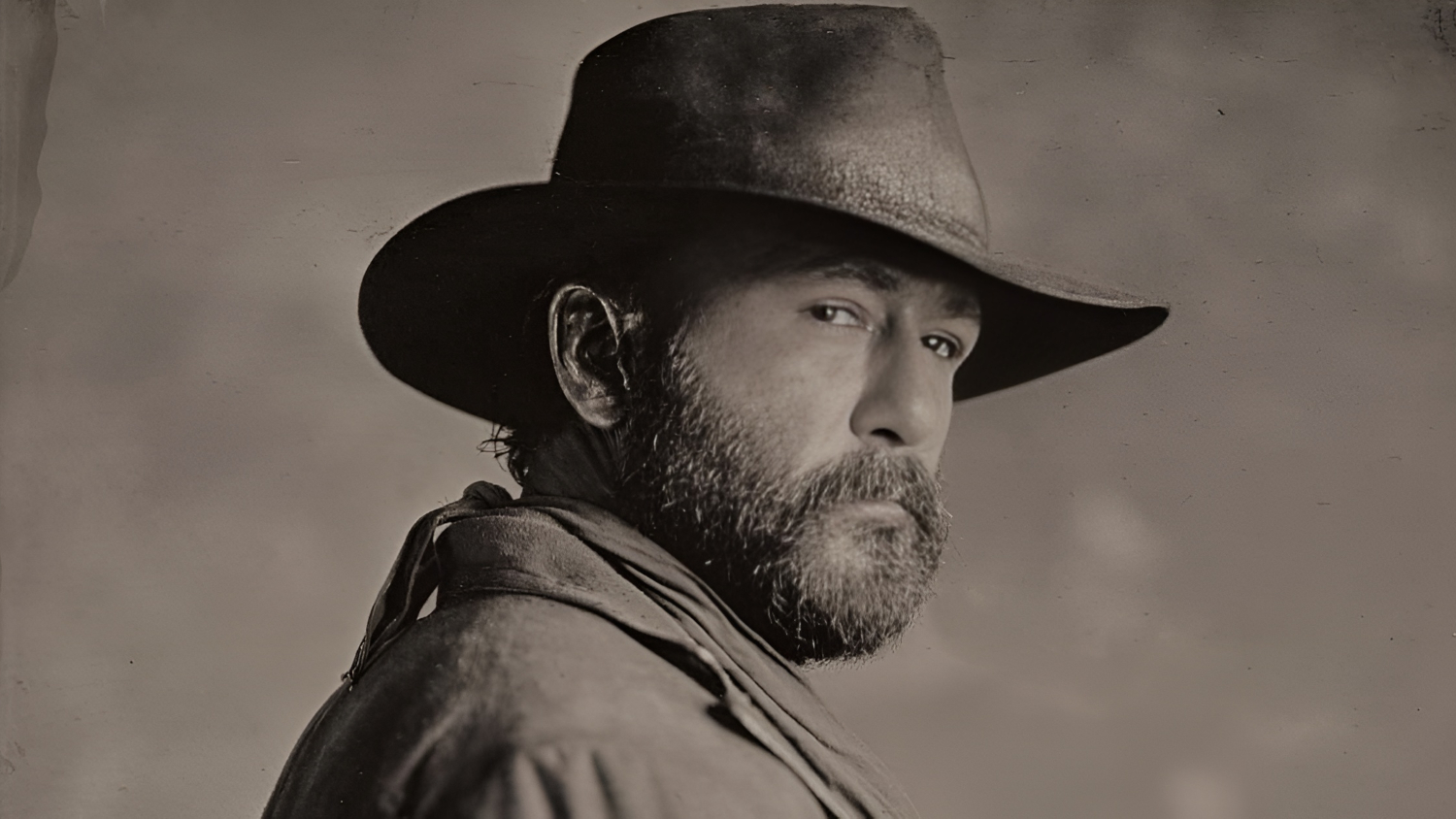
The 1883 reunion brought Thornton back into McGraw’s orbit — McGraw as James Dutton alongside Faith Hill, Thornton as lawman Jim Courtright. It’s the kind of cross-medium reinvention that earns respect rather than eye-rolls, because the preparation behind it is visible. McGraw’s presence never read as stunt casting. That takes years of accumulated work to pull off.
Thornton’s advice travels well beyond a film set. When you’re new to something, the reflex is always to overprove yourself — to fill every silence, to push harder, to perform rather than simply be. Restraint, the willingness to trust what you’ve prepared and let it speak, is the harder and braver choice. McGraw learned that in 2004. The principle hasn’t aged a day.