


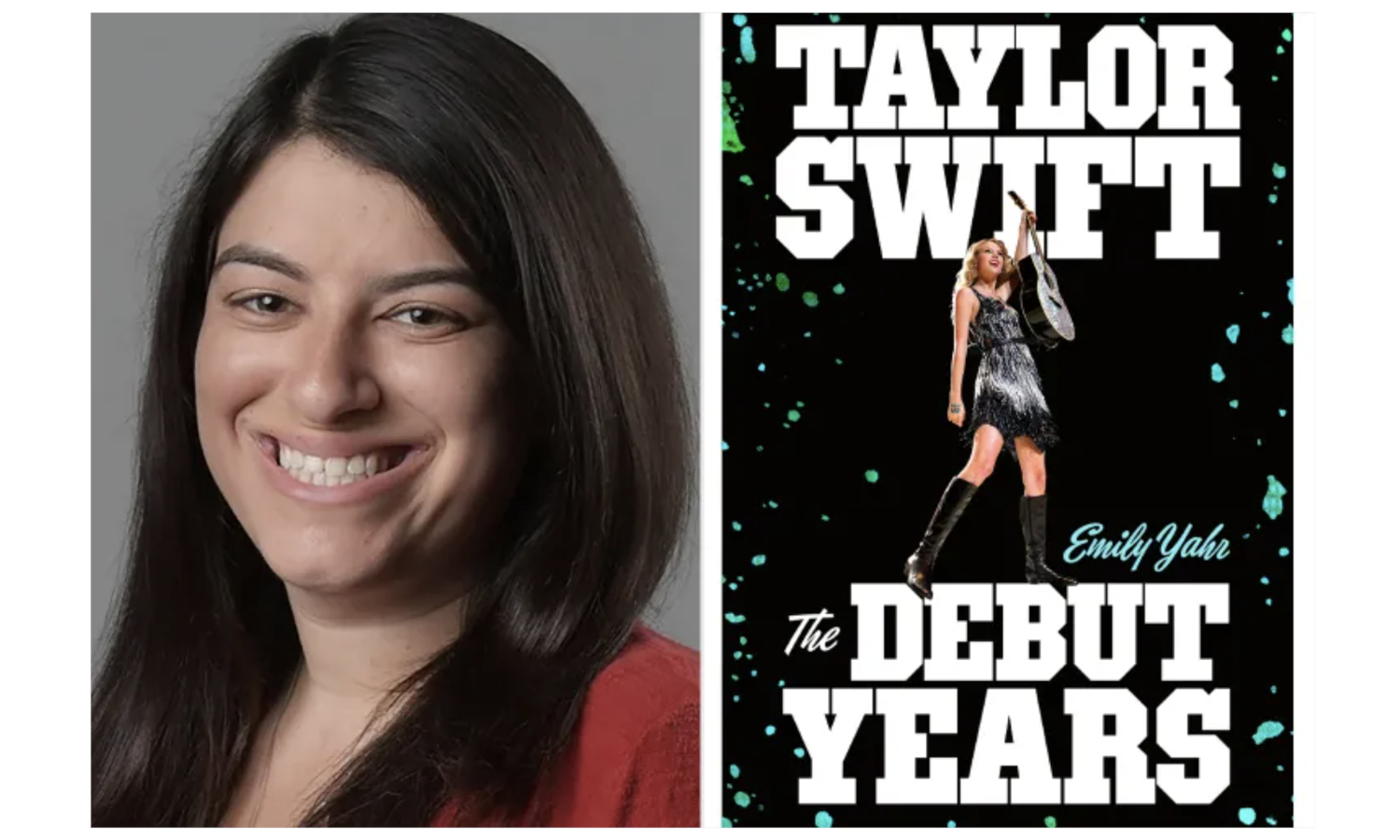
Before the Eras Tour filled stadiums worldwide, before the catalog dispute that made Scott Borchetta a target of fan outrage, there was a teenager from Pennsylvania sitting in Nashville songwriting rooms hoping someone would take a chance. Washington Post pop-culture reporter Emily Yahr’s book, Taylor Swift: The Debut Years (St. Martin’s Press), reconstructs that origin story — less fairy tale, more white-knuckle institutional gamble.
Nashville Doesn’t Hand Out Keys — It Loans Them
The real story behind Swift’s rise isn’t just talent; it’s the web of relationships, risks, and near-misses that made her debut possible.
Yahr spent time with more than 100 sources building this account. Swift wasn’t one of them. That absence matters. This is reported reconstruction, not memoir — carefully researched, but built around a subject who never spoke on the record.
What Yahr surfaces is how Nashville operates like a small town with outsized global reach. Personal relationships open doors. They also bolt them shut. According to Yahr’s reported analysis, that dual nature — opportunity and gatekeeping running on the same track — shaped which emerging artists found collaborators, advocates, and label interest. Swift navigated it successfully. Many others didn’t find the same footing.
Key revelations from the book:
- Big Machine Records nearly never launched. Funding deadlines, practical obstacles, and a general scrappiness defined its early days — Swift and her mother reportedly hand-prepared promotional CDs for radio.
- The Swift–Borchetta partnership was, at the start, a genuine creative match, according to Yahr. Borchetta took real risks; Swift brought unusual drive and a specific artistic vision. Yahr presents this as necessary context before the 2019 catalog dispute, not a contradiction of it.
- Kenny Chesney paid Swift directly after an alcohol sponsorship conflict blocked her from opening his tour — she was underage, the tour carried a beer sponsor. One well-documented example of how established artists could materially support a younger one building her career.
- Garth Brooks reportedly recognized something unusual in Swift after Country Radio Seminar. Sources described a similar quality in how both connected with people — Yahr’s reported observation, not a claim of objective equivalence, but telling either way.
The Question Yahr Couldn’t Ask
The book’s most revealing detail may be the interview that never happened.
Yahr told Taste of Country that the Eras Tour’s sustained excitement around debut-era songs catalyzed the project. The question she most wanted to ask Swift — why no dedicated debut-album set on that tour — remains unanswered.
Swift’s origin story has graduated from prologue to mythology. More than 100 people spoke on the record. The main character didn’t. That gap is now part of the story too.