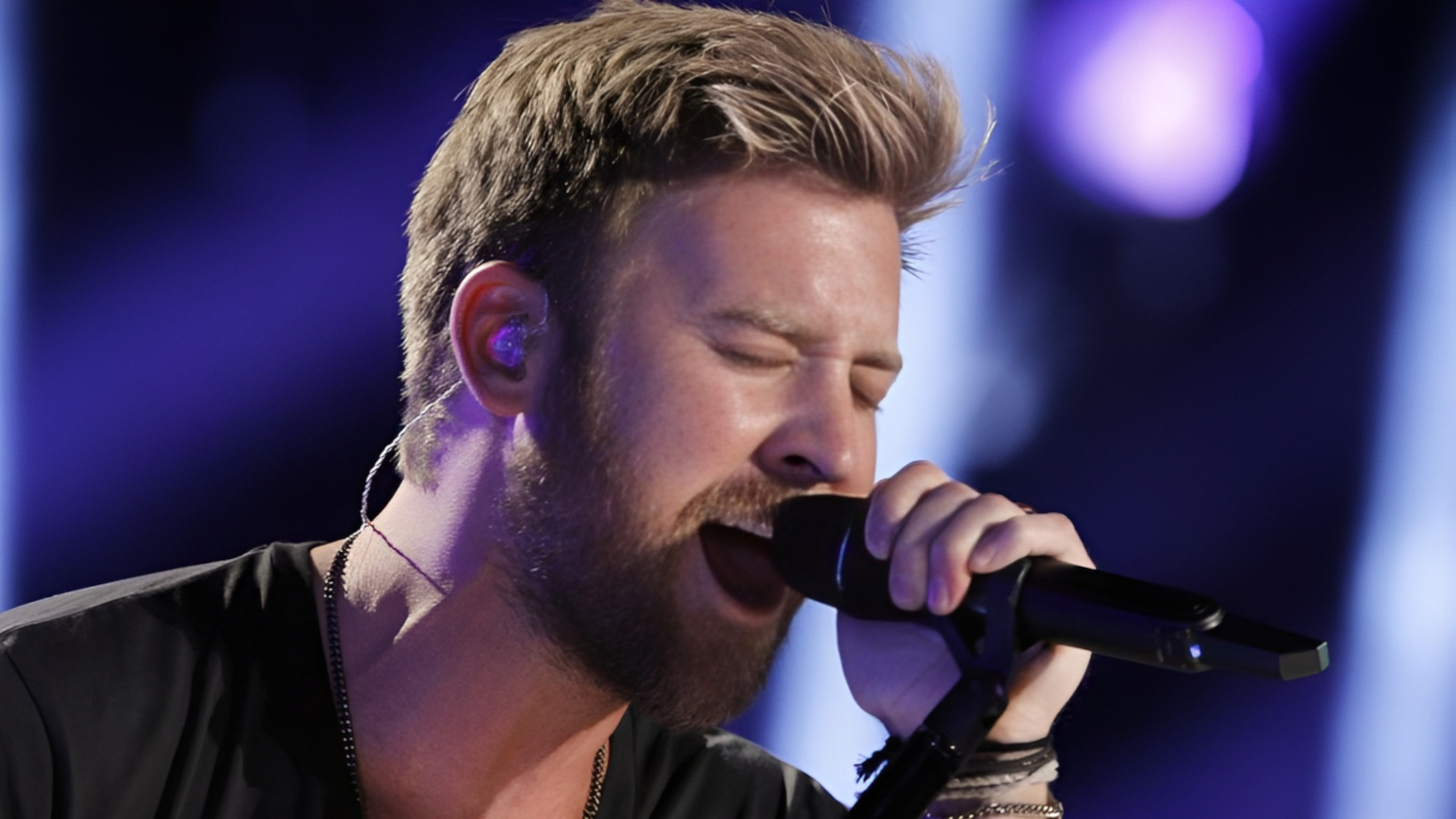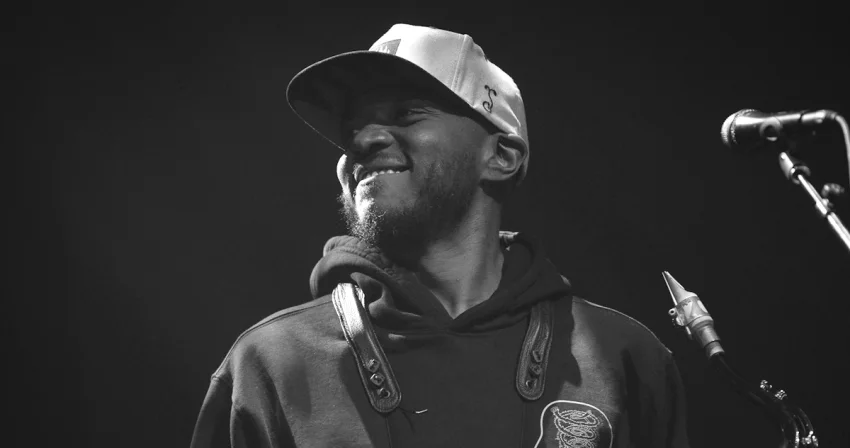



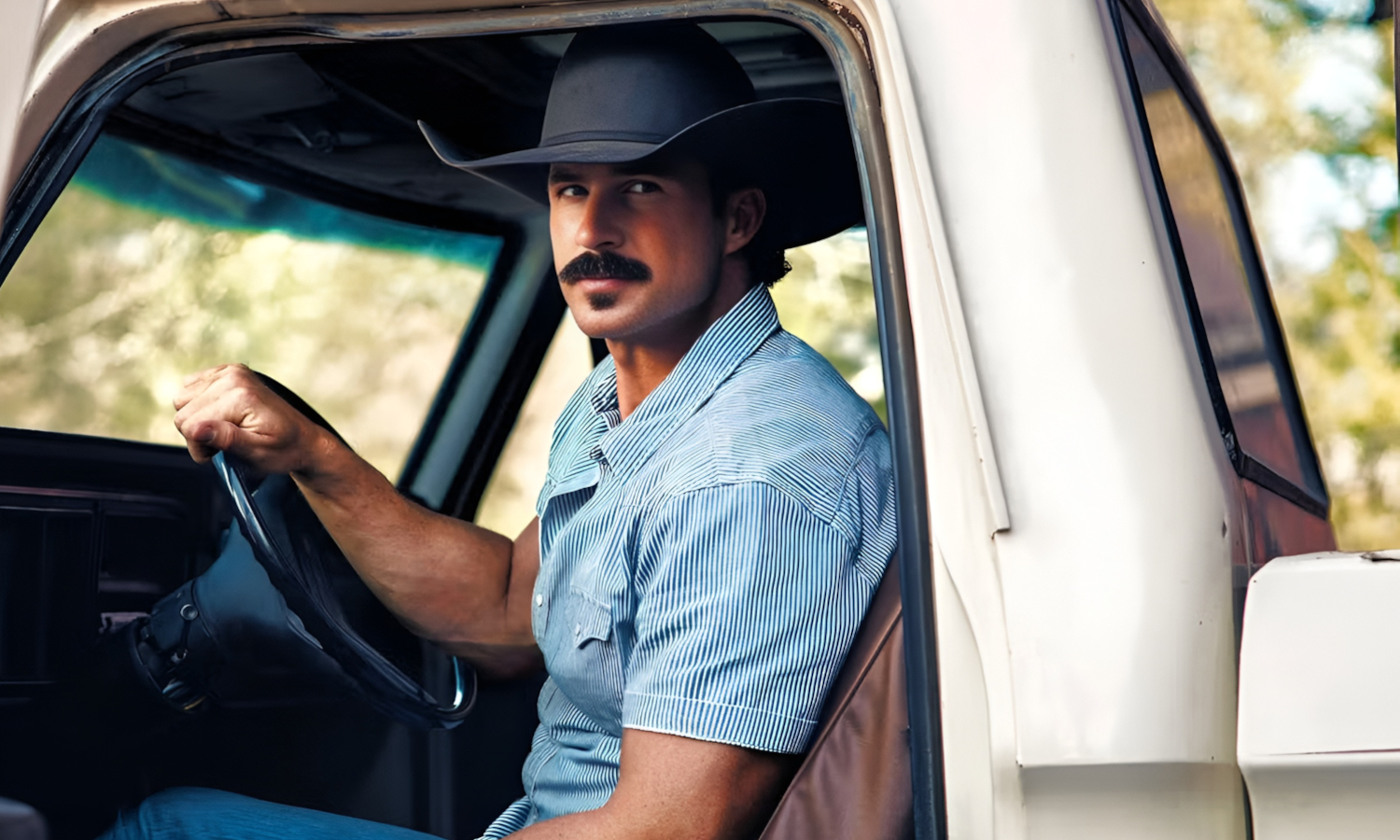
When Riley Green dropped an acoustic performance of “That’s Just Me” on YouTube Tuesday, viewers responded the way people do when something genuinely gets them. Not with algorithmic applause — with the kind of comments that show up at 1 a.m. “What a tear jerker.” “Riley is on fire!” “Perfect song, perfect version!” These are viewer reactions, not verified metrics, but emotional honesty tends to read the same way regardless of how you measure it.
The timing is worth noting. “That’s Just Me” is the title track from Green’s fourth studio album, released September 18, 2026, via Nashville Harbor Records & Entertainment. Presenting the song in an acoustic format puts every lyric under a microscope. The stripped-down arrangement shifts all the weight onto vocal delivery and guitar performance — a format that either confirms what the studio version promises or quietly exposes its limits.
This one confirms it.
What Happens When You Strip It All Back
An acoustic setting trades the safety of a full arrangement for something more direct: the song itself, unfiltered.
The difference between a studio track and an acoustic performance is a bit like the difference between reading a text message and hearing someone’s voice crack while saying the same words. For listeners who come to cover songs and country music for emotional directness, that kind of intimacy isn’t a bonus feature. It’s the reason for showing up. Green’s vocal delivery carries the emotional weight here, and the spare arrangement gives the song’s lyrical sentiment room to land without interference.
What you need to know about That’s Just Me:
- Released September 18, 2026, via Nashville Harbor Records & Entertainment
- Green’s fourth studio album; his first time co-producing
- 19 tracks, approximately one hour and nine minutes
- Produced by Dann Huff
- Features Brooks & Dunn, Randy Owen of Alabama, Jake Worthington, and Hannah McFarland
Those collaborators carry real weight. Brooks & Dunn and Randy Owen anchor this record firmly within country’s established lineage — not as nostalgia, but as a deliberate creative choice. Green co-producing for the first time signals a meaningful shift toward creative ownership, and that context matters for listeners tracking where his career is headed.
If an acoustic performance generates this kind of audience enthusiasm, the full 19-track album has room to reward listeners who commit to it from start to finish. For a record built around traditional country storytelling, heartbreak, and life on the road, that’s a considerable amount of ground to cover — and apparently, Green is ready to cover it on his own terms.