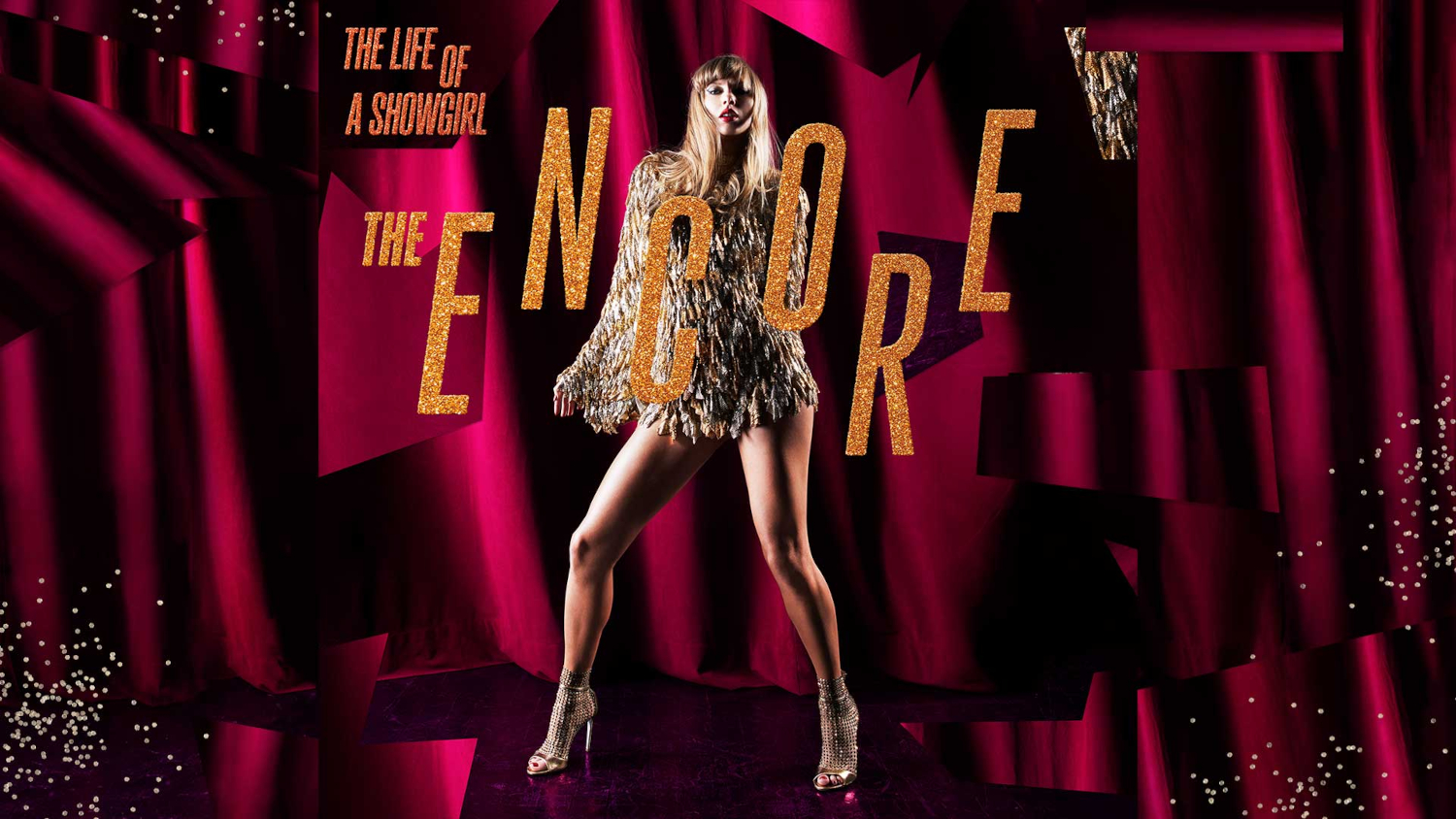




Some clubs never really close. Danceteria, the New York venue central to Madonna’s early career and the city’s downtown music scene, lent its name to one of Confessions II‘s standout tracks — and now that track has a co-pilot. “Danceteria Afterhours,” the first recorded collaboration between Madonna and Charli XCX, landed September 24, 2026, via Warner Records. It’s a rework of “Danceteria,” drawn from Confessions II, Madonna’s No. 1 album and the latest installment in the Confessions series. The pairing reads less like a guest feature and more like a deliberate handoff between two artists who’ve built entire identities around keeping the dance floor alive.
Madonna’s Extended Set: How “Afterhours” Became a Campaign Strategy
The “Afterhours” series transforms Confessions II from a finished album into a rolling event — each revision extending the campaign the way a skilled DJ extends a closing set.
“Danceteria Afterhours” follows “Love Sensation (Afterhours Mix),” Madonna’s August collaboration with Kylie Minogue, making this her second “Afterhours” release in as many months. The original “Danceteria” carries production credits for Madonna, Andrew Watt, Cirkut, and Stuart Price, according to Paste Magazine. Warner Records is using these collaborations to deepen the album’s reach without retreating from its core identity — each revision a new peak, not a victory lap.
Key release details worth knowing:
- “Danceteria Afterhours” arrived September 24, 2026, via Warner Records, on streaming and in three limited-edition CD configurations
- Each physical configuration includes the Charli XCX “Afterhours Mix,” a Harry Romero remix, and the original version, according to Just Jared
- Madonna led the 2026 MTV VMA nominations with 13 nods, according to Billboard — the release dropped days before her scheduled return to the show
- This marks the second “Afterhours” collaboration in two months, following the Kylie Minogue release in August
There’s a social-media thread that retroactively reads like a prologue to all of this. In May, Madonna posted: “If your Dance floor feels dead, maybe you’re playing the wrong music.” Many interpreted it as an apparent echo of Charli XCX’s lyric from “Rock Music” — “I think the dancefloor is dead / So now we’re making rock music.” No source confirms that connection was intentional on Madonna’s part, but whether by design or coincidence, the two artists appeared to be debating the state of the dance floor in public before quietly deciding to build one together. Warner Records framed the collaboration as a celebration of the “fearless beginnings and influences” that shaped both careers, with the title evoking Danceteria as a symbolic origin point for Madonna’s story and the broader culture that formed her.
Two Dance Floors, One Song
Charli XCX and Madonna operate in different sonic territories, but the territory they share is the one that matters most: the dance floor itself.
Charli’s electropop, hyperpop, and avant-pop instincts occupy a different register than Madonna’s dance-pop and house-inflected catalog. That distinction is part of what makes the collaboration interesting rather than redundant. What connects them isn’t a matching aesthetic — it’s a shared conviction that the dance floor is where pop music either earns its keep or gets exposed. Charli’s work, built on digital production, club energy, and rapid movement between underground and mainstream sensibilities, shares that philosophy even when the sonics diverge.
Warner Records described the pairing as a meeting of two artists whose work draws heavily on dance music, club culture, and pop experimentation. That framing holds up. This collaboration connects a foundational figure in modern dance-pop with an artist currently reinterpreting what club music means for contemporary pop audiences — and the fact that it happened at all says something worth sitting with about how influence actually moves across generations.