


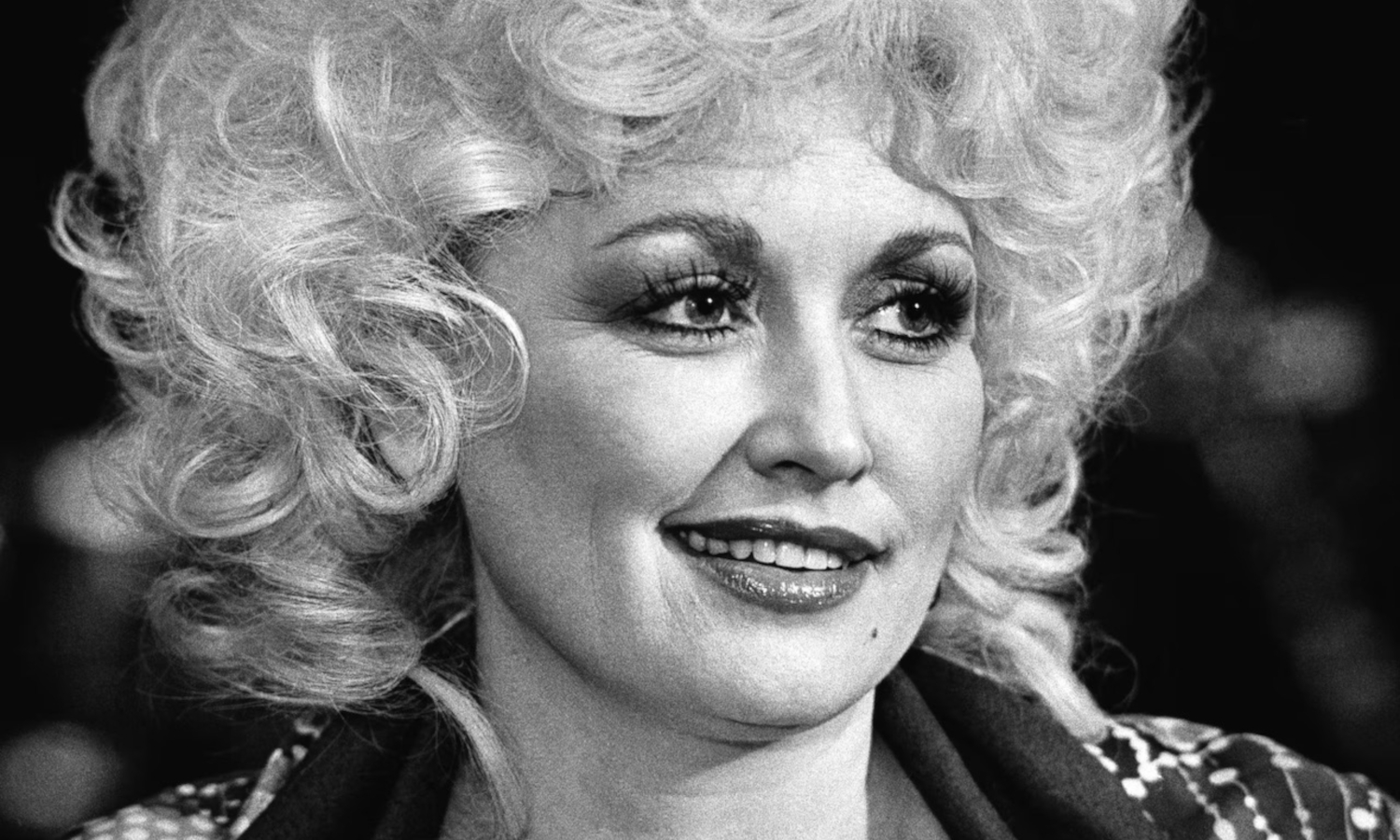
Even in her final year, Dolly Parton refused to sit still. According to TMZ, citing anonymous sources, Parton flew by private jet to Frankfurt roughly twelve months before her death to pursue an experimental cancer treatment, staying approximately one week. Those same unnamed sources told TMZ she believed the treatment restored some of her strength and considered it effective — her personal assessment, not verified medical evidence. Her family and representatives have not confirmed those details. The cancer type, clinic, physician, and specific treatment remain undisclosed.
What the Reported Trip Reveals
The Frankfurt account, sourced entirely from anonymous TMZ sources, fits a consistent pattern: a woman who kept searching for solutions while the world watched something else.
Parton had previously acknowledged dealing with health issues she had neglected, in part while caring for her late husband Carl Dean. That context is worth holding onto. Based entirely on TMZ’s anonymous sourcing — with no independent medical confirmation, no family statement, and no identified clinic or physician — here is what the report establishes:
- Parton reportedly flew privately to Frankfurt approximately one year before her death
- She stayed roughly one week, per TMZ’s unnamed sources
- She reportedly believed the treatment helped restore her strength — attributed to anonymous sources, not clinical evidence
- Cancer type, facility, and treatment details remain undisclosed; no official medical disclosure was identified in the reporting reviewed
- She died at Vanderbilt-Ingram Cancer Center in Nashville; publicist Marcel Pariseau confirmed she passed “bravely facing a brief battle with cancer” at age 80
The Americana Honor She Never Got to Accept in Person
A prerecorded acceptance video, played after her death at the 2026 Americana Honors & Awards, became an unintentional farewell from a woman still rooted in where she started.
Around the same time the Germany report surfaced, the Americana Music Association presented Parton with its Lifetime Achievement Award at the 2026 Americana Honors & Awards. A prerecorded acceptance video played after her death. In it, Parton described the music she grew up playing in the Smoky Mountains as deeply connected to Americana’s roots tradition — a lineage explored further in the history of California Country Rock. She pointed to her 1998 album Hungry Again as a meaningful marker — the moment she leaned back into acoustic and bluegrass work. Watching that video, audiences understood something quietly devastating about the distance between when it was recorded and when it was seen.
What Remains Unknown — And Why That Matters
Responsible reporting on this story means holding the sourcing gaps as clearly as the confirmed facts.
The Germany treatment account rests entirely on anonymous sourcing. No official medical disclosure was identified in the reporting reviewed, and TMZ’s account has not been independently corroborated by family, representatives, or medical sources. Readers deserve that distinction — between what Parton’s publicist confirmed and what unnamed sources claimed to TMZ. Treat the medical details accordingly.
Her legacy, by contrast, needs no qualification. From “Jolene” and “Coat of Many Colors” to the Imagination Library, the Smoky Mountains girl built something that outlasts any single headline — a story that resonates alongside the Weirdest Deaths in music history that shaped the world she rose through. The Germany trip, if it happened as reported, tells you something true about her character: she kept searching, kept building, kept moving — quietly, the same way she did everything that mattered.