


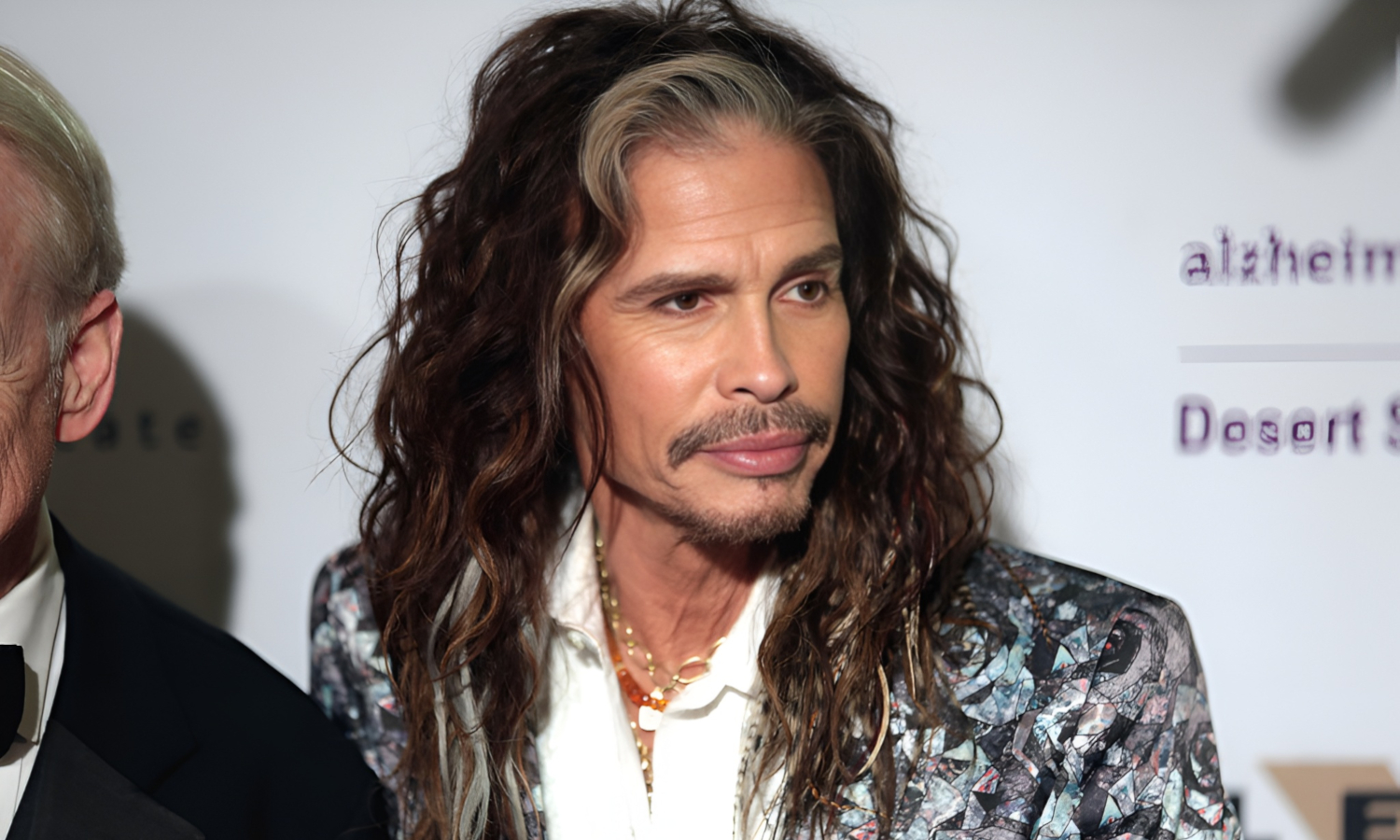
Trial dates don’t evaporate eleven days out without leaving damage. Yet that’s exactly what happened in the civil sexual assault case against Aerosmith frontman Steven Tyler, when Los Angeles County Superior Court Judge Patricia A. Young recused herself — removing herself due to a conflict of interest — during a September 15 status conference, wiping the September 28 jury trial from the calendar entirely. Young is the second judge to exit this case. Judge Tamara Hall left approximately a year earlier.
A Conflict Neither Party Would Waive
Young offered both sides the chance to overlook her conflict — both declined, leaving her no choice but to step down.
Young disclosed a potential disqualification basis and gave both parties the opportunity to waive it. They didn’t. From the bench, she stated: “As a result of the parties not waiving, I will officially disqualify…. Once I discovered the basis for my disqualification, I did not take any further action, so anything that was an open question as of last Friday … I have not ruled on those, and I will not rule on those.” The precise nature of the conflict remains publicly undisclosed.
For readers new to the case, here’s the essential background. Plaintiff Julia Misley (formerly Julia Holcomb) alleges Tyler sexually abused her between 1973 and 1976, beginning when she was 16 and he was 25. She filed suit in December 2022 under California’s Child Victims Act — a law that extends the statute of limitations, meaning the legal window for filing, on childhood sexual abuse claims that would otherwise be permanently time-barred. In May 2026, Young dismissed most claims on statute-of-limitations grounds before her recusal. One claim survived: a specific 1974 incident in a California hotel hot tub, framed as intentional infliction of emotional distress. Tyler denies all allegations. His defense argues that much of the relationship occurred in Boston, where the age of consent was 16 — a position that represents the defense’s legal strategy, not any judicial finding.
One Claim, No Judge, No Date
Attorneys are now due before Supervising Judge Lawrence Riff at Stanley Mosk Courthouse, with the trial timeline wide open.
The case awaits reassignment. Both parties must appear before Supervising Judge Lawrence Riff at the Stanley Mosk Courthouse to determine the path forward. No new trial date has been set, and how quickly a newly assigned judge can step into a case of this complexity is genuinely uncertain. The music industry accountability question hovering over this courtroom isn’t going anywhere, though. Plaintiff attorney Jeff Anderson has framed what’s at stake in terms that reach far beyond one surviving claim:
“The music industry has permitted, protected, and profited from severe violence for decades. It’s time to face the music. It’s time for reckoning.”
One surviving claim. Two judges gone. Allegations stretching back more than fifty years. The machinery of accountability moves slowly — but it hasn’t stopped.