


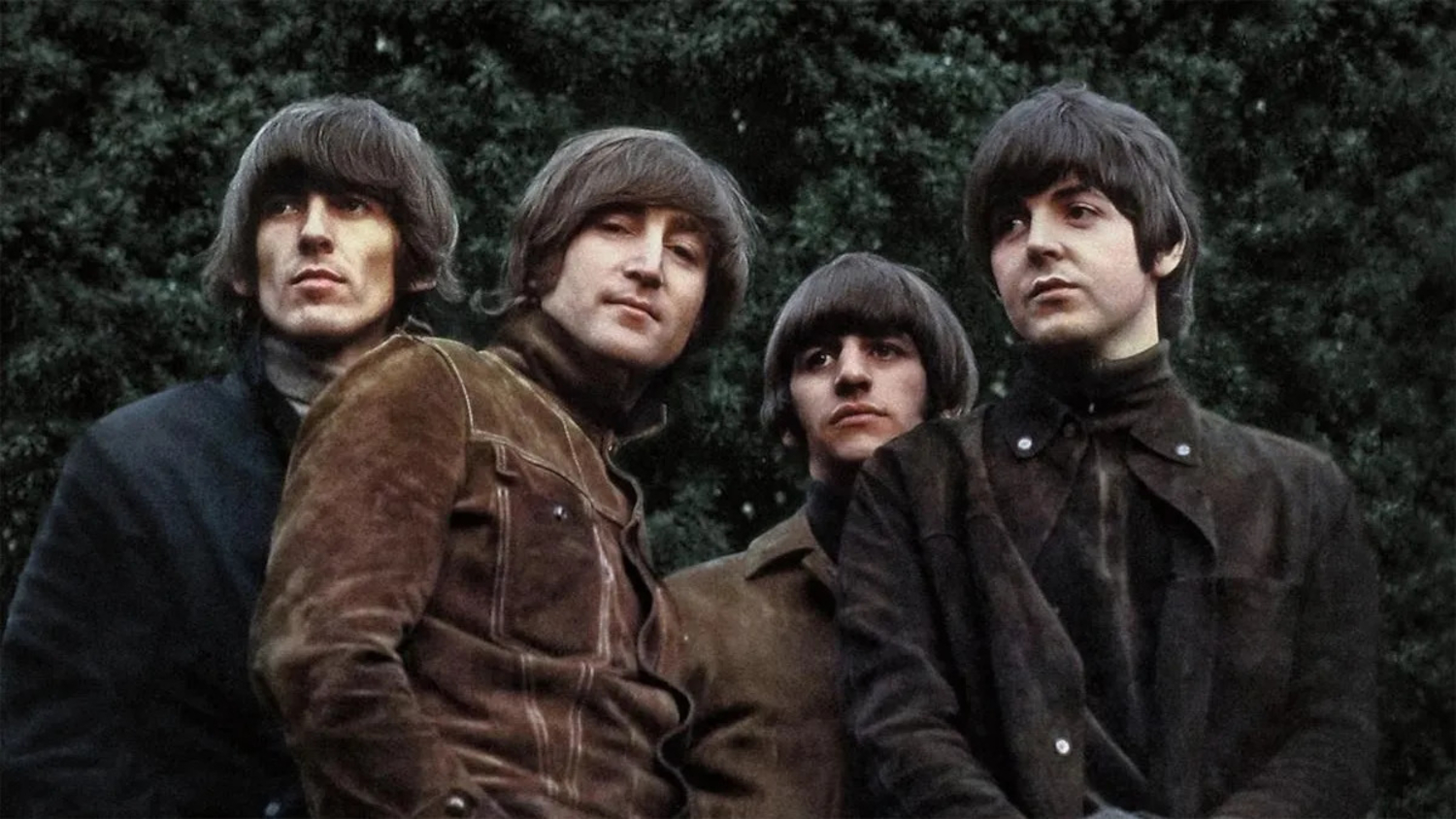
Before the familiar verse arrives. Before Lennon’s cryptic lyric about a woman and a bird. On “Norwegian Wood (This Bird Has Flown) (Second Version – Take 2),” the first thing you hear is Harrison’s double-tracked sitar navigating the bridge melody — raw, unhurried, slightly alien to Western ears in the best possible way. That structural reversal is the whole story. The Beatles dropped this previously unheard recording on September 14, 2026, the third preview ahead of the Rubber Soul: Special Edition arriving October 2. Much like the best cover songs that redefine their source material, this take reframes everything you thought you knew about the finished track.
Nine Days and a Cheap Sitar Changed Everything
What sounds like a small creative detour turns out to be the session where an entirely different version of this song — and arguably of pop music — briefly existed.
The original recording happened on the first day of the Rubber Soul sessions in 1965, under the working title “This Bird Has Flown.” The band were dissatisfied with it. Nine days later, they came back and cut three more versions. This is Take 2 of that second attempt.
Track one holds Lennon’s acoustic guitar, McCartney’s bass, and Starr’s drums — a skeletal frame you’d recognize instantly. Harrison lays drone notes on sitar over that foundation, then double-tracks the instrument on tracks two and three. Lennon and McCartney’s vocals came last, recorded on track three.
What you’re hearing is an arrangement still finding its shape — and that instability is the point.
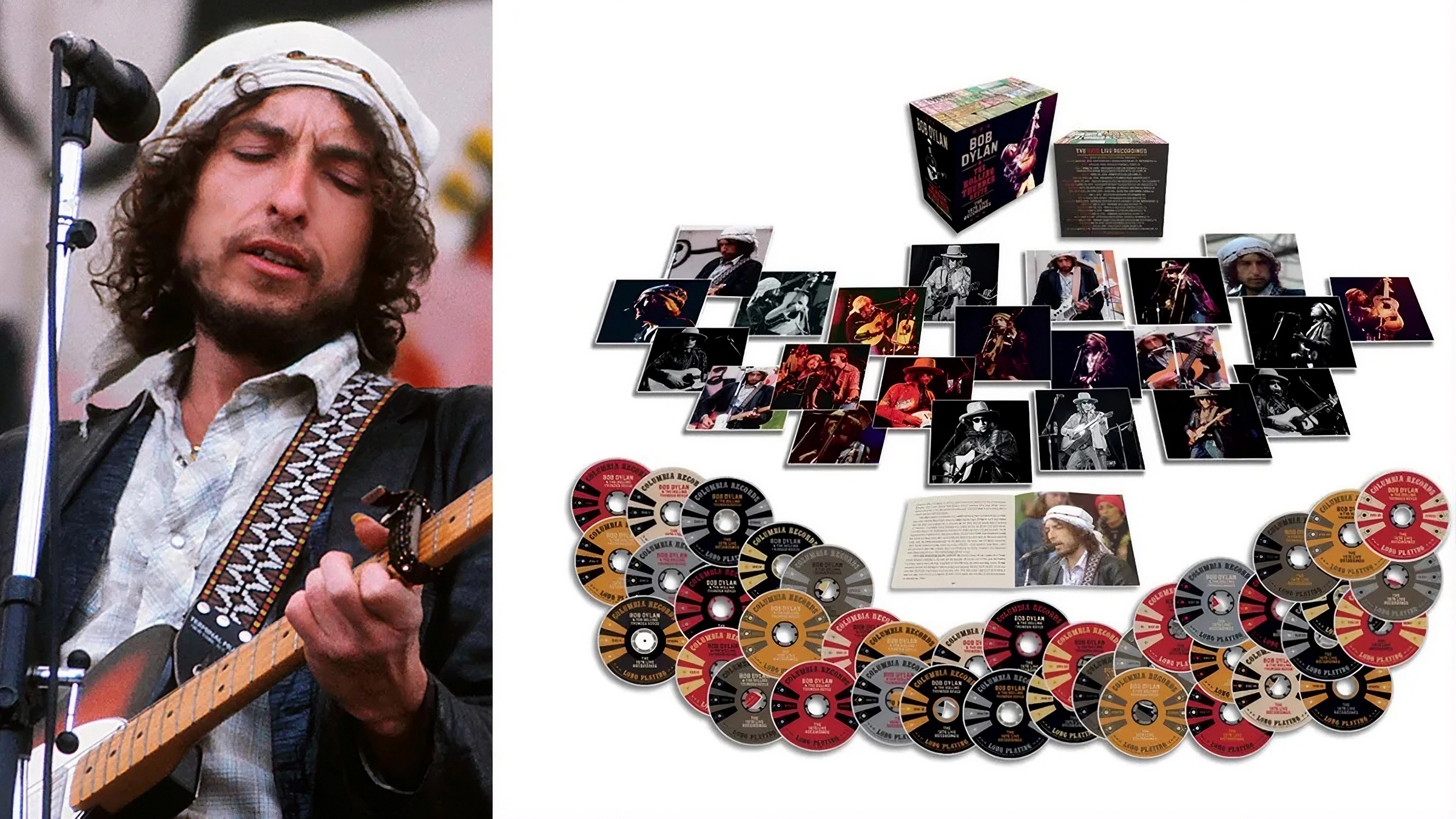
The Super Deluxe edition — a 5-LP or 4-CD box spanning 68 tracks — places all three Norwegian Wood session versions side by side, so you can trace each structural shift across the sessions. Also included are:
- “Little Girl,” a previously unheard Lennon demo
- An 88-page hardbound book featuring a new written introduction by McCartney and a foreword assembled from Lennon’s own words
Producer Giles Martin and engineer Sam Okell handled the new mixes, continuing the team’s work across recent Beatles catalogue remixes. This take arrived as the third preview of the campaign, following “Michelle (Take 1)” and “Day Tripper (Songwriting Work Tape).”
The Guitarist Who Trusted His Ear
Harrison didn’t bring a theory into the studio — he brought curiosity, a cheap instrument, and an ear tuned to something most of his contemporaries hadn’t heard yet.
Harrison bought a modest sitar at a London shop called Indiacraft. Indian music felt, in his own words, “very familiar.” When the track needed something, he picked up the instrument, “found the notes,” and the band felt it “hit the spot.” No studied cross-cultural manifesto. Just a guitarist listening harder than most people ever bother to.
That instinct, caught on tape in its least polished form, is what this take delivers.
The broader Beatles universe is running at full speed alongside this archival release:
- A Sam Mendes four-film series, reportedly casting Joseph Quinn as Harrison, is slated for April 2028
- The building at 3 Savile Row — forever linked to the band’s rooftop performance — is confirmed to open as an official Beatles fan experience in 2027
But none of that surrounding context matters much when the sitar enters before the song even remembers it’s a pop record.
Three versions of the same song on one disc. You can hear the exact session where rock music quietly agreed to let something else in.